


Cool-night boost
Provide a 10–15°F drop between day and night for several weeks before expected blooming by moving the plant to a cooler but still bright area, which helps trigger reliable flower spikes when growing Cuitlauzina pulchella.

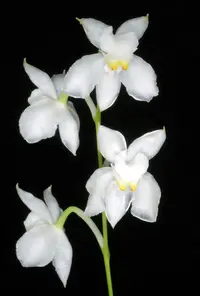
Cuitlauzina pulchella is a small to medium epiphytic orchid, meaning it naturally grows attached to trees rather than in soil. It forms clumps of smooth pseudobulbs topped with narrow leaves and produces delicate, often fragrant, white to pinkish flowers with marked lips. Native to cloud forests of Mexico and Central America, it prefers cool to intermediate temperatures and steady humidity. In cultivation it is moderately demanding, mainly because it dislikes drying out completely or staying soggy for long periods. Those who learn how to care for Cuitlauzina pulchella usually succeed by providing bright filtered light, good air movement, and a loose, fast-draining orchid medium.

Care Difficulty
Hard Care

Light Preference
Bright Indirect Light

Water Requirements
Keep Soil Moist

Temperature Preference
Tropical / Frost Sensitive

Hardiness Zone
Unknown

Soil Texture
Organic-rich, Peaty, Loamy

Soil pH
Acidic (5.5–6.5)

Soil Drainage
Moist but well-drained

Fertilization
Moderate (every 2–4 weeks)
Scan your plant to receive care tips personalized for your specific plant
Available on iOS and Android
This orchid prefers bright, gentle light that mimics a high-elevation forest canopy.
Watering should keep roots evenly moist but never stagnant.
This cloud-forest orchid favors cool to intermediate temperatures with gentle seasonal shifts.
This orchid needs consistently high humidity to grow well in typical homes.
This epiphytic orchid needs a very open, fast-draining medium rather than standard potting soil.
This species is well suited to container growing, especially in slotted orchid pots or hanging baskets.
This orchid benefits from light, consistent feeding during active growth for balanced Cuitlauzina pulchella care.
Pruning needs are minimal and focus on hygiene and maintaining flowering performance in Cuitlauzina pulchella.
This orchid prefers to stay slightly snug in its pot but benefits from periodic repotting to refresh its airy medium.
Propagation of Cuitlauzina pulchella is usually done by division rather than from seed in home conditions.
This orchid is not frost hardy and needs controlled indoor conditions during winter in most climates.

Plant Health Check
Not sure what's wrong with your plant? Check your plant's health inside the app.
This orchid is native to cool, misty montane cloud forests of Mexico and Central America, where it grows as an epiphyte on trees in high-altitude, humid environments with frequent fog.
Its slender pseudobulbs often carry two narrow leaves, and the flowering stems can show a subtle zigzag pattern as they bear multiple relatively large, showy flowers along the spike.
The white to pale pink flowers, marked with rose or purple, are lightly to moderately fragrant and typically last for a few weeks, but an established plant can flower annually under suitable conditions.
Lack of flowering usually relates to insufficient light, inadequate day–night temperature difference, or nutrient imbalance. Provide bright, filtered light, a slight nighttime drop in temperature, and a balanced, dilute orchid fertilizer to support bud formation and regular blooms.
Keep your plants happy and healthy with plant identification, disease detection, and easy care guidance.


sun-changing begonia
Begonia solimutata
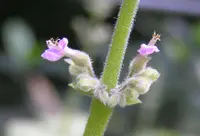
Indian Borage
Coleus amboinicus

Dwarf Umbrella Plant
Heptapleurum arboricola 'Janine'

yerba mansa
Anemopsis californica
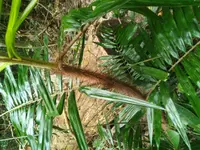
wait-a-while
Calamus australis
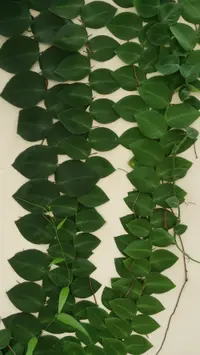
Rhaphidophora korthalsii
Rhaphidophora korthalsii
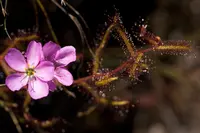
Sprawling Sundew
Drosera hilaris
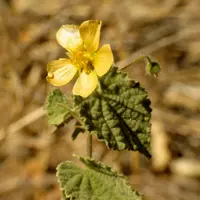
shrubby Indian mallow
Abutilon abutiloides