violet woodsorrel Care (Oxalis violacea)

violet woodsorrel

About violet woodsorrel

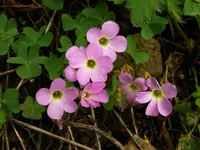
Violet woodsorrel, Oxalis violacea, is a small perennial herb native to eastern and central North America. It often grows in open woods, prairies, and rocky slopes. It forms clumps of clover-like leaves and produces delicate purple to lilac flowers in spring, sometimes repeating bloom later in the season. The foliage may fold or droop in low light or at night. This species stays low and spreads slowly by bulbs, which makes it suitable for naturalistic borders, rock gardens, or light woodland plantings. It generally prefers bright light, moderate moisture, and well-drained soil, and these traits make it fairly simple to care for violet woodsorrel in many home gardens.

Main Plant Requirements

Care Difficulty

Easy Care

Light Preference

Partial Sun

Water Requirements

Moderate Water

Temperature Preference

Cold Hardy

Hardiness Zone

5–9

Soil Texture

Sandy, Loamy, Organic-rich

Soil pH

Acidic (5.5–6.5), Slightly acidic (6.5–7.0)

Soil Drainage

Well-drained

Fertilization

Minimal (feed rarely)

Get Personalized Care Plan

Scan your plant to receive care tips personalized for your specific plant

Available on iOS and Android

How to Care for the violet woodsorrel

This small bulb-forming perennial prefers bright conditions but not intense, all-day sun.

  • Provide 4–6 hours of direct morning sun or bright filtered light; light afternoon shade helps prevent leaf scorch, especially in hot summers.
  • In partial shade (2–4 hours sun), flowering of violet woodsorrel decreases and foliage may stretch; move gradually to a brighter spot if growth looks weak.
  • Avoid harsh midday sun, particularly against reflective surfaces; pale, crispy leaf edges indicate too much sun, while sparse flowering and floppy stems suggest insufficient light.

This species prefers evenly moist, well-drained soil and does not tolerate prolonged saturation.

  • Allow the top 2–3 cm of soil to dry before watering; soil below should feel slightly moist but never soggy, especially around the bulbs or rhizomes.
  • Increase watering frequency during active growth and flowering, then reduce once foliage starts to yellow and the plant enters dormancy, keeping the soil barely moist.
  • Yellowing, soft stems and a sour smell point to overwatering and poor drainage, while limp, folding leaves and dry, crumbly soil indicate the need for water; amend heavy soil with grit or compost.

This plant handles a wide temperature range but grows best in mild, temperate conditions.

  • Active growth is strongest at 60–75°F (16–24°C); stable temperatures in this range support steady leaf and flower production for Oxalis violacea.
  • Dormant bulbs tolerate short dips near 20°F (-6°C) under mulch, but repeated hard freezes or exposed crowns can reduce survival; in colder regions, lifting and storing bulbs is safer.
  • In hot climates, growth slows above 85°F (29°C); provide afternoon shade and consistent soil moisture, and avoid planting where reflected heat from walls or pavement can bake the root zone.

This species handles typical indoor humidity but grows best with slightly moist air.

  • Aim for 40–60% humidity, which suits violet woodsorrel without needing special equipment in most homes.
  • Dry air can cause leaf edges to brown or curl and flowers to abort early, signaling humidity stress.
  • Increase humidity locally by grouping pots together or placing the container on a pebble tray with water below, not touching, the pot base.

This bulb-forming species prefers loose, sharply draining but moderately fertile soil.

  • Use a mix of roughly 50% all-purpose potting mix, 25% coarse sand, and 25% perlite to create a light, airy texture.
  • Ensure rapid drainage so bulbs do not sit in water; the soil should feel slightly springy, not compacted.
  • Maintain a slightly acidic to neutral pH around 6.0–7.0 for reliable growth of Oxalis violacea outdoors or in pots.
  • Avoid heavy clay, peat-only mixes, or consistently soggy ground, as these conditions increase rot risk and reduce oxygen around the roots.

This species adapts well to container growing when drainage and bulb depth are managed carefully.

  • Choose a wide, shallow pot so bulbs can spread horizontally while staying within 5–8 cm of the surface for better sprouting and flowering.
  • Select a lightweight plastic or composite pot if frequent moving is expected, as the clumping growth can make containers awkward to handle.
  • Raise the pot slightly on feet or bricks so drainage holes stay clear and water cannot pool under the container after rain or watering.

This native bulb-forming wildflower grows well in modest soils but benefits from light feeding in containers or poor ground.

  • Use a balanced liquid fertilizer (such as 10-10-10) at 1/4–1/2 strength for caring for violet woodsorrel in pots or lean beds.
  • Feed every 4–6 weeks during active spring–summer growth if foliage looks pale or growth is weak.
  • Skip synthetic feed when planted in rich compost or fertile garden soil to avoid overly lush, floppy growth.
  • Stop fertilizing once leaves yellow and the plant enters dormancy, then resume only after new growth appears.

Oxalis violacea needs only light pruning to stay tidy and support repeat flowering.

  • In spring and summer, pinch or snip off spent flower stalks to encourage additional blooms.
  • Remove yellowing, damaged, or diseased leaves at the base with clean scissors or small snips.
  • Thin out excessively crowded clumps by taking a few stems or bulbs, which improves air flow and reduces foliar disease risk.
  • Avoid heavy cutting; focus on cosmetic clean-up so the plant can store energy in its underground bulbs.

This small bulbous species is usually transplanted or divided rather than frequently repotted.

  • Plan to lift and transplant clumps every 3–5 years, or when flowering declines and the patch becomes crowded.
  • Move Oxalis violacea in early spring or after flowering, when soil is workable and temperatures are mild.
  • Signs it may need a new spot or pot include slow growth, reduced blooms, or bulbs pushing to the soil surface.
  • Dig carefully to keep bulbs and roots intact, replant at the same depth, water gently, and shade for a few days to reduce stress.

This species is commonly propagated by bulb division, with seed used less often in home gardens.

  • Divide mature clumps in early spring or just after flowering, when soil is moist and workable.
  • Lift the clump, gently separate individual bulbs, and discard any that are soft or diseased.
  • Replant bulbs 2–5 cm deep in well-drained soil, spacing them so foliage will not be overcrowded.
  • For seeds, sow in a shallow tray with moist, gritty mix, keep at 60–70°F, and provide bright, indirect light.

This hardy woodland species usually needs minimal winter attention in its suitable USDA zones.

  • Dormant bulbs tolerate normal frost in the ground, provided soil drains freely and does not stay waterlogged.
  • In colder areas or exposed sites, add a 3–5 cm mulch layer over the root zone after frost to buffer freeze–thaw cycles.
  • Container plants are more vulnerable; move pots into a cold, frost-free garage or porch and keep soil just barely moist.

Care Tips

Encourage Dormancy

Allow foliage to yellow and die back naturally in late summer, then reduce watering and keep the pot slightly dry for 6–8 weeks to support a healthy dormancy cycle and stronger regrowth.

Divide Congested Clumps

Every 2–3 years, gently unpot the plant when dormant, separate the small bulbs or tubers, and replant them with at least 2–3 cm spacing to maintain vigor and prevent overcrowding.

Use Shallow Containers

Select a wide, shallow pot rather than a deep one so the shallow-rooted bulbs spread horizontally, creating a denser, more even foliage and flower display.

Rotate Outdoor Position

If grown in containers outdoors, shift the pot slightly every 1–2 weeks through spring to keep growth even and prevent the leaves from leaning strongly in one direction.

Monitor Self-Seeding

In garden beds, check surrounding soil a few times each season and remove unwanted seedlings early so that growing violet woodsorrel does not slowly spread beyond the intended area.

Common Pests and Diseases

Oxalis leaf spot

This disease causes small tan to dark brown spots with possible purple halos on leaves, which may yellow and die back prematurely. Symptoms include faster spread in warm, humid, crowded conditions.

Solution

Remove and discard heavily spotted leaves to reduce fungal spores, avoid overhead watering, and space plants so foliage dries quickly. If the problem persists, apply a copper-based or chlorothalonil fungicide labeled for ornamental plants, following label directions carefully.

Bulb and corm rot

This disease affects the underground bulbs and corms, leading to soft, brown, foul-smelling tissue and poor or patchy emergence in spring. Symptoms include stunted growth, sudden collapse of foliage, or failure of the plant to resprout after dormancy.

Solution

Discard any soft or discolored bulbs and corms, and only replant firm, healthy material in well-drained soil or containers with drainage holes. Reduce watering during dormancy and avoid waterlogged conditions to support long-term Oxalis violacea care.

Spider mites

These pests create fine webbing on leaves and cause stippling, bronzing, and gradual leaf drop, especially in warm, dry indoor or greenhouse conditions. This pest can weaken clumps over time if not controlled.

Solution

Rinse foliage thoroughly with lukewarm water, including leaf undersides, and increase humidity around the plant to discourage mites. For persistent infestations, use insecticidal soap or a horticultural oil spray, repeating at 5–7 day intervals until new growth appears clean.

Aphids

These insects cluster on tender stems and flower stalks, sucking sap and causing curling, distortion, and sticky honeydew on leaves. This pest can transmit viruses between nearby Oxalis or related ornamentals.

Solution

Spray plants with a strong stream of water to dislodge colonies, and pinch off heavily infested flower stalks or stems. If needed, treat with insecticidal soap or neem oil, ensuring thorough coverage of buds, stems, and leaf undersides.

Slugs and snails

These pests chew ragged holes in leaves and flowers, often leaving slime trails on or near the plant. Damage is usually worse in damp, shaded beds or containers kept outdoors.

Solution

Hand-pick slugs and snails in the evening or early morning and remove debris where they hide. Use iron phosphate bait placed around, not on, the clumps, and improve airflow and drainage to keep the area slightly drier at the soil surface.

Interesting Facts

Native prairie geophyte

This species is a true North American native, occurring in open woods, glades, and prairies from the Midwest into the Southeast, where it survives seasonal stress using a small underground bulb-like stem called a corm.

Spring-blooming nodding flowers

Its purple to violet flowers are borne singly or in small clusters and droop slightly before opening, then face outward or upward, a pattern that helps protect pollen from early spring rain and dew.

Distinctive cloverlike leaves

The trifoliate leaves fold downward at night and in harsh sun through a movement called nyctinasty, which is controlled by specialized hinge cells at the base of each leaflet.

Botan icon

Did you know?

In parts of its native range, violet woodsorrel often appears as a naturally occurring component of remnant tallgrass prairie and savanna communities, so botanists sometimes use its presence as one small indicator of relatively undisturbed, high-quality habitat.

FAQs about violet woodsorrel

Lack of blooms often comes from insufficient light, nutrient-poor or very rich soil, or overcrowded clumps. Allow a short dry rest after flowering, then resume normal moisture. Dividing congested bulbs every few years usually restores flowering.

Grow Healthy Plants with Botan Care

Keep your plants happy and healthy with plant identification, disease detection, and easy care guidance.

Botan plant care app — identify plants on mobile

Explore More Plants