Mulch For Cool Roots
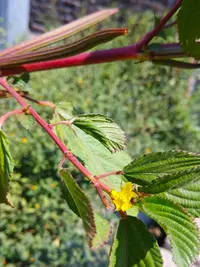
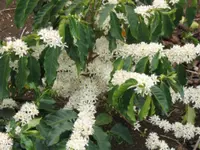
Apply a 5–8 cm layer of leaf mold or shredded bark around the clump each spring to keep roots cool, conserve moisture, and suppress weeds without crowding the crown.

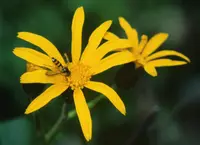
Gomchwi (Ligularia fischeri) is a perennial leafy plant valued both as an ornamental and as an edible green in parts of East Asia. It forms clumps of broad, often heart-shaped leaves that emerge from a central crown and can create a lush, ground-covering effect.
In nature it grows in cool, moist mountain forests and streamside areas, where light is filtered and soil stays consistently damp but not stagnant. In gardens it is usually grown for its foliage, though mature plants also send up tall stalks with small, daisy-like yellow flowers.
This species prefers partial shade, steady moisture, and humus-rich soil, so sites that dry out or overheat make it harder to care for gomchwi.

Care Difficulty
Moderate Care

Light Preference
Partial Shade

Water Requirements
Keep Soil Moist

Temperature Preference
Cold Hardy

Hardiness Zone
4–8

Soil Texture
Loamy, Clay, Organic-rich

Soil pH
Acidic (5.5–6.5), Slightly acidic (6.5–7.0)

Soil Drainage
Moist but well-drained

Fertilization
Light (every 4–6 weeks)
Scan your plant to receive care tips personalized for your specific plant
Available on iOS and Android
Ligularia fischeri prefers cool, moist sites with soft, indirect light rather than strong, direct sun.
Ligularia fischeri needs consistently moist soil but reacts poorly to standing water.
This species prefers cool to mild conditions and declines in prolonged heat or severe cold.
This species prefers consistently moist air but usually adapts to typical outdoor garden humidity.
Ligularia fischeri grows best in deep, moisture-retentive but airy soil.
This species can be grown in containers if the pot is sized and managed for constant moisture without waterlogging.
Ligularia fischeri benefits from modest feeding to support leafy growth, especially when grown as gomchwi for edible foliage.
Pruning Ligularia fischeri is simple and mainly focused on hygiene and light shaping.
This species is usually grown in the ground, so focus on transplanting clumps rather than frequent repotting.
Ligularia fischeri is most commonly propagated by division, with seed used for slower, larger-scale starts.
This hardy perennial needs minimal winter care in most temperate climates once established.

Plant Health Check
Not sure what's wrong with your plant? Check your plant's health inside the app.
In Korea, the young leaves and petioles of this species are widely eaten as a wild vegetable called gomchwi, often blanched and seasoned or used in wraps and side dishes.
In the wild it typically grows along cool, moist forest streams and ravines in East Asia, showing a strong preference for damp, humus-rich soils and partial shade.
Unlike many woodland perennials, it produces tall, narrow spikes of yellow, daisy-like flowers in late summer to early autumn, providing nectar for late-season pollinators.

This species has become a notable example of a plant moving from traditional wild foraging into commercial agriculture in Korea, where it is now cultivated in fields and greenhouses to supply a steady year-round market for gomchwi leaves.
Yes, the young leaves and shoots are edible and commonly used in Korean cuisine, usually blanched, stir-fried, or used in wraps. Only harvest from clean, chemical-free plants and avoid very old, tough leaves.
Keep your plants happy and healthy with plant identification, disease detection, and easy care guidance.