Use low, wide pots
Choose a shallow, wide container to accommodate the plant’s spreading rhizomes and allow new shoots to emerge evenly across the surface rather than being cramped in a deep, narrow pot.

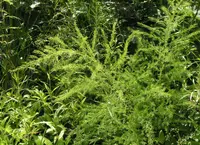
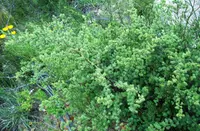
Asparagus schoberioides is a perennial, ferny-looking species in the asparagus family, grown mainly for its fine, airy foliage. It typically forms slender, arching stems densely covered with soft, needle-like cladodes that give it a delicate, cloud-like appearance.
The species occurs in parts of East Asia, often in open woodland or scrubby habitats, which hints at its preference for bright conditions with some protection. It is generally adaptable but prefers well-drained soil and steady moisture without waterlogging. Gardeners who learn how to care for Asparagus schoberioides usually find it moderate in difficulty, mainly due to its need for consistent light and regular, not excessive, watering.

Care Difficulty
Moderate Care

Light Preference
Partial Shade

Water Requirements
Moderate Water

Temperature Preference
Warm Climate

Hardiness Zone
8–10

Soil Texture
Sandy, Loamy, Organic-rich

Soil pH
Acidic (5.5–6.5), Slightly acidic (6.5–7.0)

Soil Drainage
Well-drained

Fertilization
Minimal (feed rarely)
Scan your plant to receive care tips personalized for your specific plant
Available on iOS and Android
This species prefers bright conditions with some protection from harsh midday sun.
This plant prefers evenly moist, well-drained soil rather than extremes of wet or dry.
This species grows best in mild, frost-free conditions with moderate seasonal variation.
This species prefers moderate humidity but usually manages in typical indoor air if not kept too hot and dry.
Provide loose, well‑aerated, fast‑draining soil that still holds moderate moisture.
This species adapts well to container growing when the pot is sized and drained correctly.
This species is modest in its nutrient needs but benefits from light feeding in cultivation.
Pruning is mainly used to keep plants tidy and remove weak growth.
Container-grown plants benefit from occasional repotting or careful transplanting to maintain healthy root growth.
Asparagus schoberioides is most often propagated by division or seed in cultivation.
This species is relatively hardy but benefits from some winter root protection in colder climates.

Plant Health Check
Not sure what's wrong with your plant? Check your plant's health inside the app.
This species forms very slender, much-branched stems with tiny scale leaves and threadlike cladodes, creating a delicate, cloud-like texture that is denser and more intricate than many other asparagus species used ornamentally.
Unlike many tender ornamental asparagus species, it is a hardy, herbaceous perennial in temperate East Asia, tolerating substantial winter cold in parts of its native range.
Asparagus schoberioides is naturally distributed in China, Korea, Japan, and parts of the Russian Far East, where it typically grows on open woodland edges and slopes rather than deep forest or hot lowland habitats.
This species spreads slowly from its root system and does not usually behave aggressively. It can form clumps over time but rarely becomes a nuisance if given a defined planting area and occasional division when overcrowded.
Keep your plants happy and healthy with plant identification, disease detection, and easy care guidance.