Black Mustard Care (Rhamphospermum nigrum)

Also known as: Black mustard seed
Black Mustard

About Black Mustard

Black mustard, Rhamphospermum nigrum, is an annual herb grown mainly for its pungent seeds and leafy growth. It belongs to the cabbage family and has a fast life cycle.

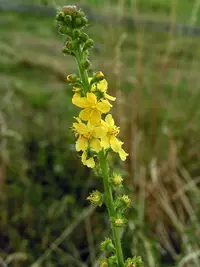
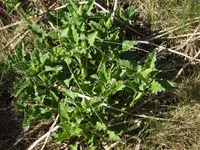
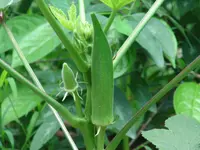
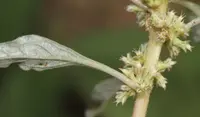
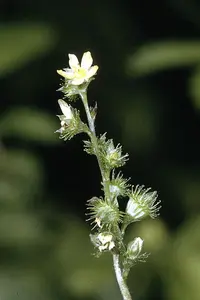
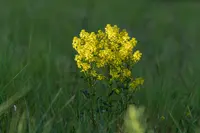
Plants form upright, branching stems with yellow, four-petaled flowers and slender seed pods. Foliage is medium green, with lower leaves more lobed and upper leaves narrower.

In the wild it occurs across parts of Europe, North Africa, and western Asia and is now naturalized in many temperate regions, including North America. It establishes easily in disturbed ground and can self-seed strongly.

It prefers full sun, moderately moist, well-drained soil, and cool to mild conditions, which makes it relatively straightforward to care for Black Mustard in gardens or small plots.

Main Plant Requirements

Care Difficulty

Easy Care

Light Preference

Full Sun

Water Requirements

Moderate Water

Temperature Preference

Cool Climate

Hardiness Zone

4–8

Soil Texture

Sandy, Loamy, Silty

Soil pH

Slightly acidic (6.5–7.0), Neutral (7.0)

Soil Drainage

Well-drained

Fertilization

Minimal (feed rarely)

Get Personalized Care Plan

Scan your plant to receive care tips personalized for your specific plant

Available on iOS and Android

How to Care for the Black Mustard

This annual prefers open, bright sites with cool to warm conditions for strong growth.

  • Provide 6–8 hours of direct sun daily; morning and midday sun are ideal in mild climates.
  • Tolerates light partial shade, especially afternoon shade in hotter regions, but dense shade reduces flowering and seed set in Black Mustard.
  • In summer heat, protect from intense late-afternoon sun to limit leaf scorch; in early spring or fall, choose the sunniest exposure available for faster establishment.

This species prefers evenly moist but not saturated soil during active growth.

  • Before watering, allow the top 2–3 cm of soil to dry; soil below should feel slightly moist, not soggy.
  • Increase watering frequency during hot, dry periods when leaves begin to lose turgor or wilt slightly by midday, a sign of temporary water deficit.
  • Reduce watering once seed pods start to dry and near harvest; ensure free-draining soil to prevent yellowing, stunted growth, or root rot in Rhamphospermum nigrum.

This cool-season annual grows best in mild temperatures without hard frost.

  • Optimal growth occurs at 55–70°F (13–21°C); germination and early growth are strongest in this range.
  • Plants tolerate light frost down to about 28°F (-2°C), but repeated freezes or temperatures below 25°F (-4°C) can damage or kill young seedlings.
  • In hot spells above 85°F (29°C), flowering may shorten and plants bolt quickly; plan sowing times so peak growth occurs in spring or fall rather than midsummer heat.

Humidity is not a critical factor for this species and typical outdoor levels are adequate.

Rhamphospermum nigrum prefers well-structured, free-draining mineral soils.

  • Use a loamy or sandy-loam soil with moderate organic matter to balance moisture retention and drainage.
  • Aim for a slightly acidic to neutral pH of 6.0–7.5 for best nutrient availability.
  • In heavy clay, incorporate coarse sand and compost to improve aeration and reduce waterlogging risk.
  • Avoid compacted, boggy, or consistently saturated sites, which promote root disease and poor growth.

This species can be grown in containers if the pot is set up to drain quickly and allow deep rooting.

  • Choose a pot at least 25–30 cm deep so the taproot can extend without curling tightly at the base.
  • Select a heavier container material or weight the base with gravel to reduce tipping from tall, leafy growth.
  • Use a sharply draining mix and elevate the pot on feet so runoff clears the drainage holes rapidly.

This annual herb usually needs minimal feeding in reasonably fertile garden soil.

  • For crops on poor or sandy soil, mix in well-rotted compost before sowing to support strong early growth.
  • If needed, apply a light, balanced NPK fertilizer (such as 10-10-10) at half strength once when seedlings are 5–10 cm tall.
  • Avoid repeated high-nitrogen feeding, which produces lush foliage at the expense of seed and flavor.
  • Stop all feeding as plants near flowering; caring for Black Mustard then focuses on moisture and light rather than nutrients.

Rhamphospermum nigrum needs only light, functional cutting rather than structured pruning.

  • Use clean scissors or hand shears to remove dead, yellowing, or storm-damaged stems whenever noticed.
  • Thin out overcrowded plants by cutting or pulling entire stems to improve airflow and reduce disease risk.
  • Pinch or cut back excessively tall, leggy shoots to keep plants upright and easier to harvest.
  • At season’s end, cut plants to ground level after seed collection and compost healthy residues.

This species is usually field-grown and is better transplanted outdoors than maintained long-term in containers.

  • Sow in cell trays or small pots, then transplant when seedlings have 2–3 true leaves and roots just fill the plug.
  • Move plants outdoors in spring once frost risk has passed, spacing them to prevent crowding and slow growth.
  • Handle seedlings by their leaves, not stems, to reduce mechanical damage and transplant shock.
  • Water immediately after transplanting, then keep soil evenly moist for 7–10 days to help roots establish quickly.

Rhamphospermum nigrum is most often propagated by seed rather than vegetative methods.

  • Sow fresh or stored seed in early spring, outdoors where plants will grow or in modules under cover.
  • Use a free-draining seed mix, cover seeds lightly with 0.5–1 cm of substrate, and keep evenly moist.
  • Maintain temperatures around 60–70°F for reliable germination within 5–14 days.
  • Thin or transplant seedlings promptly so each plant has enough space and roots do not become crowded.

This annual species completes its life cycle before winter, so surviving plants usually do not require ongoing winter care.

  • In cold regions, allow seed heads to mature and dry so self-sown seed can overwinter in the soil.
  • After hard frost kills foliage, remove or compost plant remains to limit disease carryover.
  • Mulch lightly over the bed if winters are severe and soils heave, helping protect dormant seed and soil structure.

Care Tips

Succession Resowing

Stagger sowing every 2–3 weeks in small patches rather than one large sowing so foliage and seed pods stay tender and harvests remain continuous instead of peaking all at once.

Shallow Hoe Weed Control

Use a sharp, shallow hoe to slice off young weeds at soil level rather than deep cultivation, which keeps competition low without disturbing the mustard’s relatively shallow root system.

Targeted Row Netting

Cover young rows with fine insect mesh immediately after emergence to prevent flea beetle and aphid attack, removing it only once plants are robust and flowering to allow pollinator access.

Timed Green Manure Incorporation

If using the crop as a green manure, cut and incorporate the plants into the top 5–8 cm of soil before they set hard seed so biomass decomposes quickly and reduces the chance of unwanted self-seeding when growing Black Mustard.

Dry-Day Harvesting

Harvest seed pods only on dry days and allow them to after-ripen in breathable paper bags indoors, which reduces mold risk and makes it easier to thresh and clean seed efficiently.

Common Pests and Diseases

Downy mildew

This disease causes pale yellow angular spots on upper leaf surfaces with a grey-violet, downy growth on the underside, often in cool, moist conditions.

Solution

Remove and destroy infected leaves promptly, avoid overhead watering, and increase spacing and airflow around plants; in wet, cool periods, apply a copper-based or phosphonate fungicide labeled for brassicas, rotating products to slow resistance.

White rust

This disease produces pale spots on upper leaf surfaces and white, blister-like pustules on the undersides, which can distort leaves and flower parts.

Solution

Collect and discard infected leaves, maintain good crop rotation away from other brassicas for at least 3–4 years, and reduce leaf wetness by watering at soil level; in severe cases, use a labeled systemic or protectant fungicide at early symptom appearance.

Flea beetles

These insects create many small round shot holes in leaves and can heavily skeletonize young seedlings, reducing growth and vigor.

Solution

Use floating row covers to exclude adults from young plants, keep the area weed-free, and apply horticultural neem or spinosad products to foliage when beetles are active, treating in the evening to protect pollinators.

Cabbage aphids

These pests form dense grey-green colonies on stems, buds, and leaf undersides, causing curling, distortion, and sticky honeydew that may lead to sooty mold.

Solution

Spray colonies off with a strong stream of water, remove heavily infested shoots, encourage natural predators like lady beetles, and use insecticidal soap or horticultural oil, ensuring thorough coverage of leaf undersides.

Turnip mosaic virus

Symptoms include light and dark green mottling, leaf distortion, and stunted growth, often more visible on older leaves and in stressed plants.

Solution

Rogue and dispose of infected plants, control aphids that spread the virus with reflective mulches and targeted insecticidal soaps, and avoid planting near infected brassicas or saving seed from symptomatic plants to reduce virus carryover when growing Black Mustard.

Interesting Facts

Ancient condiment source

Black mustard seeds from this species have been used as a pungent spice since classical antiquity in the Mediterranean region, including use by the ancient Greeks and Romans in sauces and pastes.

Explosive seed dispersal

Its dry seed pods can split suddenly when mature, a mechanical process known as ballistic dispersal that helps fling small seeds away from the parent plant and increases colonization chances.

Strategic weed competitor

In many agricultural regions it behaves as a competitive weed, forming dense stands that shade crops and use soil nutrients quickly, which has led to its regulation and active management in some areas.

Botan icon

Did you know?

Charred black mustard seeds have been identified by archaeobotanists in ancient settlement layers and Roman archaeological sites, indicating that this species was intentionally cultivated and traded as a valued spice more than 2,000 years ago.

FAQs about Black Mustard

All above-ground parts are edible when harvested young. Leaves are used as leafy greens, flower buds as a vegetable, and mature seeds for spice or oil. Older foliage becomes tough and bitter, especially in warm weather.

Grow Healthy Plants with Botan Care

Keep your plants happy and healthy with plant identification, disease detection, and easy care guidance.

Botan plant care app — identify plants on mobile

Explore More Plants