Parapimpinella siifolia Care

About Parapimpinella siifolia

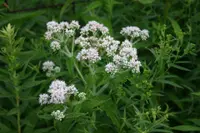
Parapimpinella siifolia is a lesser-known herbaceous plant from the carrot family (Apiaceae), typically forming soft, leafy clumps with finely divided foliage. It usually has slender stems and delicate, umbels of small flowers that give it a light, airy look in mixed plantings.

In nature, it is reported from East Asian mountain or woodland habitats, where conditions are cool to mild and soils stay evenly moist but not waterlogged. Its preference for consistent moisture and humus-rich, well-drained soil means it is not as drought tolerant as many common ornamentals.

For gardeners who want to care for Parapimpinella siifolia, the key traits are its need for moderate light, shelter from harsh heat, and steady moisture without extremes.

Main Plant Requirements

Care Difficulty

Moderate Care

Light Preference

Partial Shade

Water Requirements

Moderate Water

Temperature Preference

Warm Climate

Hardiness Zone

Unknown

Soil Texture

Loamy

Soil pH

Slightly acidic (6.5–7.0)

Soil Drainage

Well-drained

Fertilization

Minimal (feed rarely)

Get Personalized Care Plan

Scan your plant to receive care tips personalized for your specific plant

Available on iOS and Android

How to Care for the Parapimpinella siifolia

This species prefers bright, gentle light that mimics a lightly shaded woodland edge.

  • Provide 3–5 hours of soft morning sun with bright, filtered light for the rest of the day; avoid harsh, direct afternoon sun that can scorch foliage.
  • Tolerates partial shade, but in very deep shade stems may elongate, leaves pale, and flowering decline due to insufficient light.
  • In hotter months, increase shading during midday; in cooler seasons, allow more direct morning light to support healthy growth for Parapimpinella siifolia.

This plant prefers evenly moist but not waterlogged soil, with slight drying at the surface between waterings.

  • Before watering, let the top 2–3 cm of soil dry; then water slowly so moisture reaches the root zone without leaving standing water.
  • During active growth in spring and summer, expect more frequent watering, while in cooler months allow the surface layer to stay dry a bit longer.
  • Watch for yellowing, limp leaves as a sign of overwatering and crisp, drooping foliage as a sign of underwatering, and adjust watering accordingly.

This species grows best in mild, temperate conditions without extreme heat or hard frost.

  • Aim for 60–75°F (16–24°C) during active growth, which supports steady leaf and root development.
  • Plants tolerate brief drops to about 40°F (4°C), but foliage can be damaged by frost, so protect from freezing conditions when possible.
  • In hot spells above 85°F (29°C), provide extra shade and soil moisture, as prolonged heat stress can slow growth and increase wilting risk for Parapimpinella siifolia.

This species prefers moderately moist air but adapts to typical indoor humidity if not extremely dry.

  • Aim for 40–60% humidity, as very dry heated rooms can slow growth and crisp leaf edges.
  • Watch for curling, browning tips, and dull foliage as signs of chronic low humidity stress.
  • Increase humidity by grouping plants, placing pots on pebble trays with water, or running a small nearby humidifier.

This plant performs best in loose, moist, and well-drained soil that does not stay waterlogged.

  • Use a loamy mix with high organic matter, such as 2 parts peat-free compost, 1 part perlite, and 1 part leaf mold or fine bark.
  • Ensure fast drainage so water runs freely from the pot or bed, preventing root rot and anaerobic (oxygen-poor) conditions.
  • Aim for slightly acidic to neutral pH, roughly 6.0–7.0, avoiding strongly alkaline or salty substrates.
  • Improve aeration by incorporating coarse particles like perlite or fine bark chips rather than relying on dense, fine-textured mixes.

This species can be grown successfully in containers when root space and drainage are managed carefully.

  • Choose a pot deep enough to accommodate a modestly spreading root system so the soil column does not dry out unevenly.
  • Select a stable, heavier container material if the aboveground growth becomes tall or spreading, to reduce tipping in wind.
  • Use a potting mix that drains faster than in-ground soil, then water more frequently but in smaller volumes to avoid stagnation.

This species grows in fairly lean soil and usually needs only light, targeted feeding in cultivation.

  • Use a balanced, diluted liquid fertilizer (for example 10-10-10 at 1/4–1/2 strength) for Parapimpinella siifolia in active growth.
  • Feed every 4–6 weeks during spring and summer if growth appears weak or foliage pale.
  • Avoid fertilizing in winter or dormancy to prevent soft, leggy growth and salt buildup.
  • Prefer organic options like thin compost top-dressing instead of frequent high-strength synthetic products.

Pruning is mainly used to maintain a healthy framework and remove damaged growth on this plant.

  • Carry out light pruning in late winter or very early spring before strong new growth begins.
  • Remove dead, diseased, or crossing stems first, then thin crowded shoots to improve air flow.
  • Use clean, sharp hand pruners and make cuts just above a healthy outward-facing bud.
  • Moderate shaping can direct growth and maintain size, but avoid heavy cutting in a single season on Parapimpinella siifolia.

This species is more often grown in the ground, but young or container plants sometimes need careful transplanting.

  • Look for roots circling the pot drainage holes, soil drying very fast, or slowed growth as signs it needs more space.
  • Plan repotting or outdoor transplanting in early spring or early fall for lower stress and steadier moisture.
  • Move plants every 2–3 years at most, stepping up only 1 pot size or replanting into a slightly wider garden hole.
  • Water thoroughly before and after moving, keep the root ball intact, and shade the plant for several days to limit transplant shock.

Propagation of this species is usually done on a small scale and tends to be slow but manageable for patient growers.

  • Sow fresh seeds in late fall or early spring; a cool period helps break dormancy and improve germination.
  • Use a free-draining seed mix, keep it evenly moist, and provide bright, indirect light until seedlings establish.
  • Division of mature clumps in early spring is possible; separate sections with several shoots and a solid root mass.
  • Label and space new plants well to monitor vigor and reduce competition while they establish.

This plant is generally cold hardy in temperate climates and needs only basic winter care once established outdoors.

  • In regions with freeze–thaw cycles, apply a 5–8 cm mulch layer around the root zone, keeping it away from stems.
  • Container plants are more exposed; overwinter them in a sheltered, unheated space that stays above about 25–30°F.
  • Do not overwater in winter; cool, wet soil around resting roots increases rot risk for Parapimpinella siifolia.

Care Tips

Staking flower stems

Install thin bamboo stakes and loosely tie taller flowering stems with soft garden ties to prevent lodging and stem breakage in wind or heavy rain.

Timed early cutting

For longer blooming, cut a few flowering stems just as the first umbels open, which redirects some energy into producing new side shoots and extends the display period.

Self-seeding control

If you want to limit self-sowing, deadhead the umbels as they fade and before seeds ripen, leaving only a few selected seed heads to mature for intentional collection.

Seed collection technique

Gather seed heads when they turn brown and start to dry, then finish drying them in a paper bag indoors before gently rubbing out the seeds for cleaner storage and more reliable germination when growing Parapimpinella siifolia.

Airflow management

Thin crowded neighboring plants so that foliage and flower stalks sit in light, moving air, which reduces the risk of foliar disease and helps keep the plant structurally upright.

Common Pests and Diseases

Powdery mildew

This disease causes a white, powder-like coating on leaves, young stems, and flower stalks, especially in crowded or shaded conditions. Symptoms include distorted growth and premature yellowing or drying of foliage.

Solution

Remove and discard heavily infected leaves to reduce spore load, then improve airflow by thinning surrounding vegetation and avoiding overhead watering. If humidity stays high, apply a sulfur or potassium bicarbonate fungicide labeled for ornamental Apiaceae, following the label directions carefully as part of broader Parapimpinella siifolia care instructions.

Leaf spot

This disease produces small, water-soaked lesions that turn brown or dark purple with a pale halo, often merging into larger dead patches. Symptoms include premature leaf drop and a general thinning of the canopy.

Solution

Cut off and dispose of affected leaves and any plant debris around the base to limit reinfection, and water at soil level to keep foliage dry. In persistent cases, use a copper-based fungicide according to label instructions and maintain good spacing and airflow around plants.

Aphids

These insects cluster on young shoots, leaf undersides, and flower stems, sucking sap and excreting sticky honeydew. This pest can cause curling or distortion of new growth and may attract sooty mold on the leaf surface.

Solution

Rinse colonies off with a firm stream of water, repeating every few days, and pinch off heavily infested shoot tips. For ongoing infestations, use insecticidal soap or a light horticultural oil spray, ensuring thorough coverage of leaf undersides and tender growth.

Leaf miners

These insects create pale, winding tunnels inside the leaf blade as larvae feed between upper and lower leaf surfaces. Symptoms include serpentine trails and eventual browning or collapse of affected areas.

Solution

Remove and discard leaves that show fresh mines to physically remove larvae before they mature, and avoid excessive nitrogen fertilization that encourages lush, susceptible foliage. If damage continues, use a systemic insecticide or a biological product containing spinosad, applied when new mines first appear.

Crown and collar blight

This disease causes dark, water-soaked lesions at the stem base near soil level, leading to wilting and collapse of individual shoots or whole plants in wet, poorly drained conditions. Symptoms include softened tissue at the crown and gradual dieback from the base upward.

Solution

Improve drainage by loosening soil, avoiding waterlogging, and watering only when the upper soil has begun to dry. Remove and discard affected plants and nearby debris, then consider a soil-applied fungicide labeled for crown blights if the site has a history of repeated problems.

Interesting Facts

Umbellifer with divided leaves

This species is a member of the carrot family (Apiaceae) and is notable for its finely divided, parsley-like foliage, which helps distinguish it from many broader-leaved Parapimpinella relatives in its native East Asian range.

Moist woodland specialist

Parapimpinella siifolia naturally occurs in cool, moist forest understories, where it grows in humus-rich soil and dappled light, an ecology that strongly influences recommended Parapimpinella siifolia care instructions in cultivation.

Characteristic umbel flowers

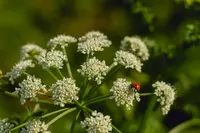
Like other Apiaceae, it produces small white flowers arranged in compound umbels, a radiating structure that efficiently exposes many tiny flowers at once to pollinating insects in its habitat.

FAQs about Parapimpinella siifolia

This umbel-forming species produces many small, nectar-rich flowers that appeal to a range of insects, especially small bees, hoverflies, and some butterflies. Providing pesticide-free conditions and mixed flowering neighbors increases pollinator visits and overall garden biodiversity.

Grow Healthy Plants with Botan Care

Keep your plants happy and healthy with plant identification, disease detection, and easy care guidance.

Botan plant care app — identify plants on mobile

Explore More Plants