Good King Henry Care (Blitum bonus-henricus)

Good King Henry

About Good King Henry

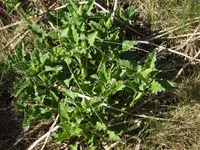
Good King Henry, Blitum bonus-henricus, is a hardy perennial herb traditionally grown as a leafy vegetable. It forms low clumps of triangular, slightly mealy leaves on upright stems. Native to central and southern Europe, it often appears around old farms, pathways, and disturbed soils, and can naturalize in cottage or kitchen gardens. The plant is relatively undemanding and long lived, but slow to establish from seed, so it suits patient gardeners. It copes well with cool climates and benefits from consistent moisture and moderately fertile, well-drained soil. Once established, it can be quite resilient, which makes it easier to care for Good King Henry over many seasons.

Main Plant Requirements

Care Difficulty

Easy Care

Light Preference

Full Sun

Water Requirements

Moderate Water

Temperature Preference

Cold Hardy

Hardiness Zone

3–8

Soil Texture

Loamy, Sandy, Organic-rich

Soil pH

Slightly acidic (6.5–7.0), Neutral (7.0)

Soil Drainage

Moist but well-drained

Fertilization

Minimal (feed rarely)

Get Personalized Care Plan

Scan your plant to receive care tips personalized for your specific plant

Available on iOS and Android

How to Care for the Good King Henry

This perennial herb performs best in cool climates with moderate sun exposure.

  • Provide 4–6 hours of direct sun daily, ideally morning sun with light afternoon shade to prevent leaf scorch.
  • Tolerates partial shade, and in hotter regions Good King Henry benefits from dappled or filtered light, especially after 1–2 pm.
  • In early spring and fall, more direct sun is useful, but in midsummer protect from strong, reflected heat from walls or paving.

This plant prefers evenly moist but not saturated soil throughout the main growing season.

  • Water when the top 3–5 cm of soil feels dry, aiming for soil that is moist to the touch but never waterlogged.
  • Use well-drained, loamy soil so Blitum bonus-henricus roots do not sit in standing water, which promotes rot and yellowing leaves.
  • In cool spring and fall, watering needs drop, while in hot, windy periods drooping foliage and dry surface soil signal the need to water.

This hardy perennial is adapted to cool to mild climates and tolerates significant cold once established.

  • Optimal growth occurs around 55–70°F (13–21°C), giving sturdy leaves and steady shoot production.
  • Established plants tolerate down to about 5–10°F (-15 to -12°C) with mulch, though young plants are more vulnerable to hard frost.
  • In summer, growth may slow above 80°F (27°C); provide extra shade and moisture during heatwaves and avoid planting beside heat-reflecting surfaces.

This species handles typical outdoor humidity well and rarely needs special humidity management.

  • Ideal humidity is around 40–60%, similar to average outdoor summer conditions in temperate regions.
  • Dry air is tolerated, but prolonged hot, dry winds can cause leaf edges to crisp and growth to slow.
  • In unusually arid sites, shelter Good King Henry with windbreaks or nearby taller plants to slightly raise local humidity around foliage.

This perennial prefers deep, moist, well-draining soil that stays loose and fertile over time.

  • Use a loamy structure with roughly equal parts garden loam, compost, and coarse sand to balance moisture retention and drainage.
  • Aim for slightly acidic to neutral pH around 6.0–7.2, which supports nutrient availability and stable growth of Blitum bonus-henricus.
  • Incorporate plenty of mature compost or well-rotted manure 15–20 cm deep to improve structure, organic content, and water-holding capacity.
  • Avoid compacted clay, waterlogged areas, or very shallow stony soils, which restrict root penetration and encourage root rot.

This species can be grown in containers if the pot is large and deep enough to support its perennial root system.

  • Choose a container at least 30 cm deep to allow the long taproot to develop without severe crowding or deforming.
  • Use a heavy or terracotta pot to reduce tipping risk as foliage becomes tall and to moderate moisture swings in summer heat.
  • Elevate the pot slightly on feet or bricks so drainage holes stay clear and excess water escapes quickly after rain or irrigation.

This hardy perennial herb needs only light supplemental feeding in reasonably fertile soil.

  • Apply a thin layer of garden compost or well-rotted manure in early spring to support new growth in Good King Henry beds.
  • If soil is poor, use a balanced 10-10-10 or 14-14-14 slow-release fertilizer once in spring at label rate.
  • For container plants, use a balanced liquid feed at 1/2 strength every 3–4 weeks in the growing season.
  • Stop feeding in late summer so growth can harden before winter and avoid stimulating soft, frost-prone tissue.

Pruning needs for Blitum bonus-henricus are minimal and mainly focused on hygiene and harvest management.

  • In late winter or very early spring, cut back any dead or damaged stems at the base with clean hand pruners.
  • During the growing season, remove yellowing or diseased leaves promptly to improve air circulation and reduce fungal issues.
  • Harvest leafy shoots by cutting above a leaf node, which encourages bushier regrowth and maintains a compact shape.
  • At season’s end, trim spent flower stalks if self-seeding is not desired, leaving healthy foliage to die back naturally.

This deep-rooted perennial is better suited to open ground than long-term container culture.

  • Transplant young plants in early spring or early fall, when temperatures are mild and soil is evenly moist.
  • Choose a permanent site with deep, loose soil; mature plants dislike disturbance due to their strong taproot.
  • Move container plants only when roots circle the pot or growth slows noticeably, typically every 2–3 years at most.
  • Water thoroughly before and after transplanting, keep roots shaded, and avoid breaking the taproot to reduce transplant shock.

Blitum bonus-henricus is most commonly propagated from seed, with some limited division of established clumps.

  • Sow seeds in fall outdoors for natural cold stratification, or chill seeds 4–6 weeks in the refrigerator before spring sowing.
  • Use a free-draining seed mix, keep evenly moist, and place trays in cool to mild light conditions for germination.
  • Thin seedlings or prick out to individual modules once they have 2–3 true leaves, handling by the leaves, not the stem.
  • Divide older clumps in early spring, keeping large sections of taproot intact, and replant immediately into prepared soil.

This species is quite cold hardy and usually needs only modest winter preparation in most temperate climates.

  • Established plants tolerate frost and subfreezing temperatures once fully dormant.
  • After the first hard frosts, cut back collapsed foliage and remove debris to limit overwintering pests and diseases.
  • Apply a 3–5 cm layer of organic mulch around, but not on, the crown to buffer soil temperature fluctuations.
  • For container-grown plants in very cold areas, move pots against a sheltered wall and insulate with mulch or bubble wrap.

Care Tips

Regular leaf harvesting

Harvest outer leaves every 1–2 weeks once plants are established to keep growth tender and stimulate continuous leaf and shoot production through the season.

Bolting control

In late spring, promptly remove emerging flower stalks if foliage is the priority crop, which helps delay bolting and extends the period of high-quality leaf harvests.

Winter mulching

After foliage dies back, apply a 5–8 cm layer of straw or shredded leaves over the crown to protect roots from freeze–thaw cycles and support reliable perennial regrowth.

Staggered sowing patches

Establish several small patches in slightly different exposures or sowing dates so at least one stand remains productive if another bolts early or suffers pest damage.

Targeted slug management

Place low dishes of beer or purpose-made slug traps at soil level around young plants and refresh them frequently, as juvenile plants are particularly vulnerable when growing Good King Henry in damp climates.

Common Pests and Diseases

Leaf miners

This pest tunnels inside leaves, creating pale, winding trails that reduce leaf quality and photosynthesis. Damage is mainly cosmetic but can weaken young plants when severe.

Solution

Remove and destroy affected leaves as soon as trails are noticed, and keep the plant well fed and watered to encourage new growth. Floating row covers can prevent adults from laying eggs, and targeted use of spinosad or neem-based sprays on young larvae helps protect future foliage when growing Good King Henry for repeated harvest.

Downy mildew

This disease causes pale yellow patches on upper leaf surfaces with corresponding grey to purplish downy growth underneath. Symptoms include distorted, stunted leaves in cool, humid conditions.

Solution

Space plants to improve airflow, avoid overhead watering, and water early in the day so foliage dries quickly. Remove and discard heavily affected leaves, rotate crops yearly, and, in damp climates, use resistant spacing and, if needed, an approved copper-based fungicide as a preventative on susceptible plantings.

Leaf spot

This disease produces small, brown to dark spots on leaves that may merge into larger dead patches, especially in crowded or wet plantings. Symptoms include premature yellowing and dropping of older leaves.

Solution

Remove and dispose of spotted leaves, keep foliage dry by watering at soil level, and thin plants to reduce humidity around leaves. Practice crop rotation and avoid leaving infected debris in the bed to limit reinfection in future seasons.

Aphids

These insects cluster on young shoots and undersides of leaves, sucking sap and causing curling, distortion, and sticky honeydew deposits. Ants are often seen farming them on stems and leaves.

Solution

Spray plants with a strong jet of water to dislodge colonies, and encourage natural predators such as lady beetles by avoiding broad-spectrum insecticides. For persistent infestations, apply insecticidal soap or horticultural oil directly to the aphids, ensuring good coverage of leaf undersides.

Interesting Facts

Ancient European vegetable

This species was a common leafy vegetable in central and northern Europe for centuries before spinach became widely grown, and it was often cultivated in cottage gardens near homes and animal pens.

Perennial pseudo-spinach

Unlike true spinach, which is usually annual, this plant is a long-lived perennial that sends up edible shoots and leaves each spring, which are cooked and used much like spinach or asparagus tips.

Soil-enriching root system

Its deep, fleshy roots help loosen compact mountain and pasture soils, and the plant tends to grow in nitrogen-rich spots such as old manure piles or near former livestock enclosures.

Botan icon

Did you know?

Historical records from parts of the Alps and central Europe show that this plant was so valued as a spring green that established clumps were often passed down within families or carefully moved when people changed homesteads, ensuring a reliable early-season vegetable supply year after year.

FAQs about Good King Henry

All above-ground parts are edible when harvested young. Leaves and shoots are cooked like spinach or asparagus, and flower buds resemble small broccoli. Older leaves become fibrous and slightly bitter, so regular harvesting improves flavor and texture.

Grow Healthy Plants with Botan Care

Keep your plants happy and healthy with plant identification, disease detection, and easy care guidance.

Botan plant care app — identify plants on mobile

Explore More Plants