Windbreak placement
In open, windy sites, position plants near a fence or low hedge to act as a windbreak, which reduces branch dieback and moisture loss in exposed sandcherry stands.

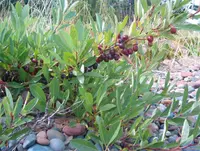
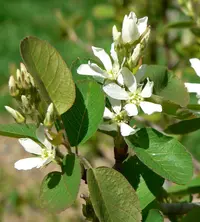
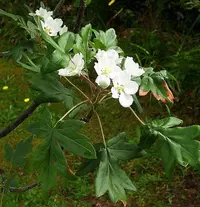
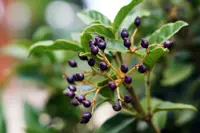
Sandcherry, Prunus pumila, is a low, spreading shrub most often used in sunny borders, wildlife plantings, and erosion control on slopes or sandy banks. It belongs to the cherry and plum group, so it offers small spring flowers followed by dark, pea-sized fruits.
This species is native to North American sandy shores, dunes, and dry open habitats, where it forms dense, often suckering patches. Its tolerance of poor, sandy soils and drought makes it relatively easy to manage if drainage is good.
For gardeners learning how to care for sandcherry, it is helpful to know that it prefers full sun, modest moisture, and lean, well-drained soil rather than rich, wet conditions.

Care Difficulty
Easy Care

Light Preference
Full Sun

Water Requirements
Low Water

Temperature Preference
Cold Hardy

Hardiness Zone
3–8

Soil Texture
Sandy, Loamy, Rocky

Soil pH
Acidic (5.5–6.5), Slightly acidic (6.5–7.0)

Soil Drainage
Well-drained

Fertilization
Minimal (feed rarely)
Scan your plant to receive care tips personalized for your specific plant
Available on iOS and Android
Prunus pumila thrives in open, sunny sites and produces best foliage and flowering with strong light exposure.
Prunus pumila prefers evenly moist, well-drained soil and handles short dry spells once established.
This shrub is naturally cold hardy and tolerates a wide temperature range in temperate climates.
Humidity is not a critical factor for Prunus pumila, which thrives in typical outdoor air conditions.
Prunus pumila prefers dry to moderately moist, sharply drained soil that mimics its native sandy habitats.
This species can be grown in containers outdoors if the pot is set up to drain and dry quickly.
Prunus pumila is a low-maintenance native shrub that benefits from light feeding on poor soils but often needs no fertilizer in rich ground.
Prunus pumila responds well to thoughtful pruning that maintains shape, health, and flowering wood.
This shrub is usually grown in the ground; focus on careful transplanting rather than frequent repotting.
Prunus pumila is commonly propagated by seed, cuttings, or layering when increased numbers are needed.
This shrub is cold hardy in many temperate climates and usually needs minimal winter care once established.

Plant Health Check
Not sure what's wrong with your plant? Check your plant's health inside the app.
The extensive, creeping root system of Prunus pumila helps anchor loose sand, making it an important native shrub for stabilizing dunes and shorelines around the Great Lakes and Atlantic coasts.
This species is highly tolerant of cold, dry, and windy conditions and can survive on exposed shorelines where salt spray, temperature swings, and low nutrient levels limit many other woody plants.
Its small, dark purple fruits are eaten by birds and small mammals, and the plant also serves as a larval host for several native butterfly and moth species that rely on cherry relatives.

Prunus pumila forms naturally occurring hybrid swarms with closely related native cherries, which makes its identification challenging in the wild and has led botanists to recognize several subspecies and regional forms within this species complex.
Browning leaves usually result from water stress, root damage, salt exposure, or fungal diseases like leaf spot. Check soil moisture, drainage, and any recent fertilizer or de-icing salt use, then prune affected parts and improve site conditions.
Keep your plants happy and healthy with plant identification, disease detection, and easy care guidance.