khat Care (Catha edulis)

Also known as: Abyssinia Tea, Arabian Tea, Abyssinia kat, African Tea, Arabic khat, Chirinda Redwood, Somali kat
khat

About khat

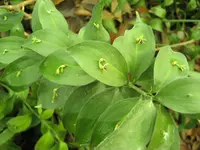
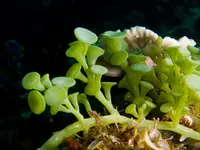
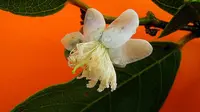
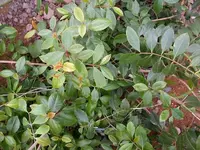
Khat (Catha edulis) is an evergreen shrub or small tree known for its narrow, glossy leaves and upright, branching habit. In suitable climates it can form dense hedges or small groves.

It is native to East Africa and the Arabian Peninsula, where it grows in warm, upland regions with good drainage. The plant prefers bright light, moderate moisture, and well-aerated soil, which helps owners understand how to care for khat in cultivated settings.

Its sensitivity to cold, need for strong light, and relatively slow growth can make it challenging outside its native-type climate, especially in cool or low-light homes.

Main Plant Requirements

Care Difficulty

Moderate Care

Light Preference

Full Sun

Water Requirements

Moderate Water

Temperature Preference

Tropical / Frost Sensitive

Hardiness Zone

9–11

Soil Texture

Sandy, Loamy, Organic-rich

Soil pH

Acidic (5.5–6.5), Slightly acidic (6.5–7.0)

Soil Drainage

Well-drained

Fertilization

Light (every 4–6 weeks)

Get Personalized Care Plan

Scan your plant to receive care tips personalized for your specific plant

Available on iOS and Android

How to Care for the khat

Catha edulis prefers bright exposure with protection from the harshest midday sun.

  • Provide 6–8 hours of sun daily, with morning sun and light afternoon shade ideal, especially in hot, dry climates.
  • Plant in a position with full sun to light partial shade; young khat benefits from some filtered light during the first growing season.
  • Watch leaves for stress: pale, scorched, or crispy edges indicate excess intense sun, while elongated, weak shoots suggest insufficient light.

Catha edulis prefers evenly moist but well-drained soil that never stays waterlogged.

  • Irrigate when the top 3–5 cm of soil feels dry, applying enough water to moisten the root zone without leaving standing water.
  • Use a free-draining, loamy soil; pooling around the base, yellowing lower leaves, or a sour smell signal overwatering and poor drainage.
  • In summer growth, drying occurs faster and checks more often; in cooler seasons, allow the soil surface to stay dry slightly longer to prevent root problems.

This species thrives in warm, frost-free conditions with mild seasonal variation.

  • Aim for 65–80°F (18–27°C) for steady growth; brief spikes to 85–90°F (29–32°C) are tolerated if soil moisture and airflow are good.
  • Avoid temperatures below 40°F (4°C); foliage may be damaged near this point and the plant can be killed by frost or freezing soil.
  • In regions with cool winters, position plants in the warmest, most sheltered microclimate, protecting roots from cold, wet conditions to maintain long-term vigor.

Catha edulis prefers moderately dry air and usually adapts well to typical indoor humidity.

  • Aim for 35–55% humidity; the plant tolerates brief dips lower if soil moisture is stable.
  • Low humidity stress appears as curled, slightly crispy leaf edges and slower new growth.
  • If air is very dry, group plants together or place the pot on a pebble tray with water below the pot base.

Catha edulis grows best in light, fast-draining, slightly alkaline soil that does not stay wet.

  • Use a sandy loam with 30–40% coarse sand, 20–30% perlite or pumice, and the rest composted organic matter.
  • Target pH 7.0–8.0; add a small amount of garden lime if the mix tests more acidic.
  • Ensure water drains from the pot within seconds; mix in extra perlite if it feels dense or holds water for many hours.
  • Avoid heavy clay, peat-heavy mixes that stay soggy, or soil crusting on top, which reduces aeration around fine roots.

This species is suitable for container growing when the pot supports its deep, woody root system.

  • Choose a tall, slightly oversized pot to give the developing taproot vertical space rather than spreading roots sideways.
  • Use a heavier material like ceramic to reduce tipping as stems become woody and top-heavy over time.
  • Ensure drainage holes are large and unobstructed so water exits quickly, preventing anaerobic pockets deep in the root zone.

Catha edulis responds well to moderate feeding that supports steady, leafy growth without forcing soft, weak shoots.

  • Use a balanced liquid fertilizer (such as 10-10-10 or 20-20-20) at 1/2 strength every 3–4 weeks during the warm growing season.
  • Alternatively, apply a light layer of compost or a low-dose slow-release fertilizer in spring to provide background nutrition.
  • Pause or reduce feeding to once every 6–8 weeks in winter or cool dormant periods, as nutrient demand drops.
  • Water before and after applying fertilizer to avoid root burn and to distribute nutrients evenly through the root zone.

Catha edulis benefits from light, structured pruning to maintain a compact, branching form and healthy canopy.

  • Plan main pruning for late winter or early spring, just before active growth resumes.
  • Remove dead, diseased, or damaged branches first, then thin crowded interior shoots to improve light and air movement.
  • Shorten long, leggy stems by up to 1/3 of their length to encourage bushier side branching and denser foliage.
  • Use clean, sharp bypass pruners and make angled cuts just above outward-facing buds to guide future growth.

Container-grown plants appreciate careful repotting to refresh soil and give the root system room to expand.

  • Check for roots circling the pot, pushing through drainage holes, or slowed top growth as signs Catha edulis is pot-bound.
  • Aim to repot every 2–3 years in late spring, moving into a container only 2–5 cm wider with good drainage.
  • Gently loosen circling roots, trim any dead or rotten sections, and set the plant at the same soil level in fresh mix.
  • Water thoroughly after repotting, then keep in bright, indirect light for 7–10 days to limit transplant shock.

This species is commonly propagated by semi-ripe cuttings and seeds under warm, stable conditions.

  • Take 8–12 cm semi-ripe stem cuttings in late spring or summer, removing lower leaves and keeping 2–3 nodes.
  • Dip the cut end in rooting hormone, then insert into a moist, free-draining mix kept around 70–77°F with high humidity.
  • Provide bright, indirect light and consistent moisture; roots usually form in several weeks under stable conditions.
  • Sow fresh seeds on the surface of a light seed-starting mix at 70–75°F, keeping the substrate evenly moist, not waterlogged.

This warmth-loving shrub is frost-sensitive and needs protection in regions with cold winters.

  • Move container plants indoors or into a heated greenhouse before temperatures drop near 40°F, as khat dislikes chill.
  • In mild climates, mulch the root zone with 5–8 cm of organic material to buffer soil temperature and moisture.
  • Shelter outdoor plants from cold winds using windbreaks or by placing them near a south-facing wall for extra warmth.
  • Reduce watering in winter, keeping soil barely moist, since cool, wet conditions greatly increase root rot risk.

Care Tips

Early stem training

Start gently tying young shoots to a bamboo cane or trellis while they are still flexible to encourage a single strong framework and reduce later breakage in wind or handling.

Controlled root pruning

Every 2–3 years, lift container plants in late winter, slice away 10–20% of the outer root mass with a clean knife, and repot into fresh mix to keep plants compact and responsive to pruning.

Salt-sensitive watering

Use low-salinity water (rainwater, filtered, or allowed-to-stand tap water where possible) and flush the pot thoroughly every 1–2 months to prevent salt buildup that can scorch leaf margins.

Heat and wind buffering

In hot, dry regions, place containers behind a windbreak and use light-colored pots or reflective mulch to limit root-zone overheating and reduce stress during heatwaves when growing khat.

Preventive pest scouting

Inspect new growth and leaf undersides weekly with a hand lens, and remove early colonies of aphids, mites, or scale with a targeted horticultural soap or oil spray before they establish.

Common Pests and Diseases

Leaf miners

This pest tunnels inside young leaves, creating pale, winding trails that reduce photosynthesis and weaken new flushes of growth.

Solution

Remove and destroy leaves showing fresh mines, then encourage new growth with steady watering and balanced feeding; if damage continues, apply a systemic insecticide labeled for leaf miners or a spinosad-based spray, targeting young foliage and repeating as directed while monitoring new leaves closely as part of Catha edulis plant care.

Aphids

These insects cluster on tender shoot tips and leaf undersides, sucking sap and causing curling, distortion, and sticky honeydew that can attract sooty mold.

Solution

Prune off heavily infested shoot tips, then spray the plant thoroughly with a strong jet of water to dislodge aphids; follow with insecticidal soap or a neem oil spray on all growing points every 5–7 days until new growth appears clean, and reduce excess nitrogen fertilization that encourages very soft shoots.

Mite infestations

This pest is favored by hot, dry conditions and causes fine stippling, dull foliage, and sometimes delicate webbing between leaves and stems.

Solution

Increase humidity around the plant, rinse foliage with lukewarm water to remove mites, and follow with a miticidal soap or horticultural oil, carefully coating the undersides of leaves and repeating at 5–7 day intervals while improving air movement around the plant.

Powdery mildew

This disease appears as white, powdery patches on young leaves and shoots, leading to distortion, reduced growth, and premature leaf drop in dense canopies.

Solution

Thin crowded stems to improve airflow, avoid wetting foliage in the evening, and remove badly affected leaves; treat remaining foliage with a sulfur, potassium bicarbonate, or horticultural oil product labeled for powdery mildew, repeating as needed and keeping the plant in bright, open conditions.

Leaf spot complex

Symptoms include small brown or tan spots on leaves that may enlarge, merge, and cause partial yellowing, often triggered or worsened by prolonged surface wetness and poor air circulation.

Solution

Promptly remove and discard affected leaves, water at the soil level to keep foliage dry, and improve spacing and airflow; if spotting continues, apply a copper-based or other broad-spectrum fungicide approved for landscape shrubs, treating new growth and monitoring for any spread to younger leaves.

Interesting Facts

Alkaloid-rich leaves

This species naturally produces psychoactive alkaloids, mainly cathinone and cathine, which accumulate in young, tender leaves and decline as leaves age or are dried.

Highland origin range

It is native to the mountainous regions of East Africa and the southern Arabian Peninsula, where it grows on well-drained slopes and plateaus at moderate to high elevations.

Social chewing traditions

For centuries, fresh shoots and leaves have been chewed in parts of Ethiopia, Yemen, Somalia, and Kenya as part of structured social, religious, and economic traditions regulated by local customs and trade networks.

Botan icon

Did you know?

Molecular phylogenetic studies place this species within the Celastraceae family, meaning it is more closely related to ornamental shrubs such as Euonymus than to better-known stimulant plants like coffee or tea, despite their similar stimulating effects.

FAQs about khat

Brown leaf tips or edges usually result from low humidity, salt buildup from fertilizer, or root stress from inconsistent moisture. Check roots, flush excess salts with plain water, trim damaged parts, and stabilize care conditions.

Grow Healthy Plants with Botan Care

Keep your plants happy and healthy with plant identification, disease detection, and easy care guidance.

Botan plant care app — identify plants on mobile

Explore More Plants