Many-branched Spurge Care (Euphorbia paniculata)

Many-branched Spurge

About Many-branched Spurge

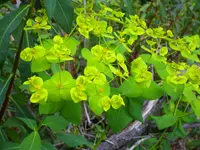
Many-branched spurge, Euphorbia paniculata, is a bushy, branching perennial from the Mediterranean region. It forms airy, upright stems with narrow leaves and clusters of small yellow-green flowers.

This species has a fine-textured, somewhat open habit that works well in dry borders and naturalistic plantings. It is adapted to poor, well-drained soils and often tolerates heat and seasonal drought.

These traits usually make it low-maintenance once established, but its milky sap can be irritating, so handling should be careful. A basic understanding of how to care for Many-branched Spurge helps it stay compact and healthy in sunny, relatively dry conditions.

Main Plant Requirements

Care Difficulty

Easy Care

Light Preference

Full Sun

Water Requirements

Low Water

Temperature Preference

Warm Climate

Hardiness Zone

8–11

Soil Texture

Sandy, Loamy, Rocky

Soil pH

Slightly acidic (6.5–7.0), Neutral (7.0)

Soil Drainage

Well-drained

Fertilization

Minimal (feed rarely)

Get Personalized Care Plan

Scan your plant to receive care tips personalized for your specific plant

Available on iOS and Android

How to Care for the Many-branched Spurge

This sun-loving Mediterranean shrub thrives in bright, open positions with limited shade.

  • Provide 6–8 hours of direct sun daily; morning to early afternoon sun suits Many-branched Spurge best in most temperate climates.
  • Accepts light partial shade, especially in hotter regions, but dense shade leads to weak, leggy growth and reduced flowering.
  • In very hot summers, protect from intense late-afternoon sun with light shade to reduce leaf scorch and moisture stress, especially in dry, exposed sites.

This drought-tolerant species prefers infrequent, deep watering and fast-draining soil.

  • Allow the top 3–5 cm of soil to dry before watering; in the ground, this often means waiting until the soil feels dry and slightly crumbly, not just the surface.
  • During active growth, water thoroughly, then let excess drain away; reduce frequency in cooler months when growth slows and evaporation drops.
  • Watch for yellowing, soft stems as a sign of overwatering and wrinkling or limp, drooping shoots as a sign the plant is staying too dry for too long.

This plant favors mild, dry conditions and tolerates moderate heat once established.

  • Optimal growth occurs around 65–80°F (18–27°C), typical of mild spring and early summer conditions in many temperate regions.
  • Tolerates brief dips to about 25–28°F (-4 to -2°C) once mature, but young plants are more sensitive and benefit from protection during frost events.
  • Handles summer heat up to about 90–95°F (32–35°C) if soil drains well and roots are not waterlogged; prolonged frost or freezing, especially in wet soil, can cause root and stem damage.

Humidity is rarely critical for Euphorbia paniculata as long as air stays reasonably dry to moderate.

  • Target 30–50% humidity, similar to average indoor and many outdoor conditions in temperate regions.
  • This Many-branched Spurge tolerates dry air well, so avoid misting, which mainly wets foliage without real benefit.
  • Watch for humidity stress only in very stagnant, damp air, where yellowing, soft stems, or fungal spotting may appear; improve air movement if seen.

Euphorbia paniculata prefers lean, fast-draining mineral soil that never stays waterlogged.

  • Use sandy or gravelly loam with a loose structure, such as 2 parts cactus mix with 1 part coarse sand or fine grit.
  • Ensure very sharp drainage; water should pass through the profile quickly and not pool around the roots.
  • Aim for slightly alkaline to neutral pH around 7.0–7.8, which suits this Mediterranean-type species.
  • Avoid heavy clay, peat-heavy mixes, or compacted sites; add grit or perlite to improve aeration and prevent root rot.

This species is suitable for container growing if the pot setup prevents excess moisture around the roots.

  • Choose a wider, relatively shallow container to accommodate a spreading root system while keeping the substrate drying evenly.
  • Use a heavy or terracotta pot when exposed to wind so the plant remains stable and the medium does not stay overly wet.
  • Raise the container on pot feet or bricks so drainage holes remain clear and runoff water leaves the root zone quickly.

Euphorbia paniculata grows well in modest soils and only needs light feeding during active growth.

  • Apply a balanced, diluted liquid fertilizer (for example 10-10-10 at 1/2 strength) once a month in spring–summer.
  • Alternatively, use a light top-dressing of compost around the root zone, keeping it off stems.
  • Stop feeding in fall–winter when growth slows, especially for Many-branched Spurge in cooler regions.
  • Avoid high-nitrogen or frequent applications that cause soft, weak shoots.

Thoughtful pruning keeps Euphorbia paniculata compact, safe to handle, and floriferous.

  • Best time is late winter or immediately after flowering, before strong new growth begins.
  • Remove dead, damaged, or crossing stems using clean, sharp bypass pruners.
  • Thin congested shoots at the base to improve air flow and maintain a balanced outline.
  • Wear gloves and avoid skin contact with the milky sap; cut stems can be briefly dipped in water to reduce bleeding.

This species is more often grown in the ground, so focus on careful transplanting rather than frequent repotting.

  • Transplant in early spring or early fall, when temperatures are mild and soil is workable.
  • Move plants when growth slows without clear cause or when clumps outgrow their space.
  • Lift with a wide root ball, disturb roots as little as possible, and replant at the same depth in well-drained soil.
  • Water thoroughly after transplanting, then keep soil slightly moist but not waterlogged until new growth resumes.

New Euphorbia paniculata plants are usually raised from seed, with cuttings as a secondary method.

  • Sow fresh seeds in late winter–spring in a gritty, well-drained seed mix at 65–75°F with bright light.
  • Barely cover seeds and keep evenly moist, not wet, until germination.
  • For cuttings, take non-flowering stems in late spring, let the milky sap dry, then insert into a sandy mix.
  • Provide warmth, strong indirect light, and good air circulation to limit rot while roots develop.

This species is fairly hardy in mild climates and usually needs only light winter care outdoors.

  • In regions with frost, apply a 5–8 cm mulch around the root zone, keeping it away from stems.
  • Euphorbia paniculata in containers should be moved to a frost-free, bright, cool space for winter.
  • Water sparingly during the cold season, allowing soil to dry more between waterings to reduce rot risk.

Care Tips

Handle Sap Safely

Wear gloves and avoid touching your face when cutting or handling stems, as the milky latex sap can irritate skin and eyes and should be rinsed off immediately with plenty of clean water if contact occurs.

Use Targeted Pinching

Pinch out only the soft stem tips of overly tall shoots in late winter or early spring to encourage a fuller, bushier plant without removing too many future flowering stems at once.

Secure Wind-Exposed Plants

In open or coastal sites, insert discreet short stakes or low hoops on the windy side and loosely tie the main stems so they do not rock at the base, which reduces root disturbance and breakage during storms.

Refresh Mulch Annually

Top up a thin, light-colored mineral or gravel mulch around the crown each year to suppress annual weeds and keep lower stems dry, which helps limit fungal problems in dense clumps.

Plan Safe Placement

Site plants away from high-traffic paths, play areas, and vegetable beds so accidental sap exposure is less likely when caring for Many-branched Spurge or working nearby.

Common Pests and Diseases

Aphids

These insects cluster on young stems and inflorescences, sucking sap and causing curling or distortion of new growth. Symptoms include sticky honeydew on stems and nearby surfaces, which can lead to sooty mold growth.

Solution

Prune and discard heavily infested flowering stems, then wash remaining shoots with a strong but controlled stream of water. For ongoing Euphorbia paniculata care, use insecticidal soap or a light horticultural oil sprayed in the cool part of the day, repeating every 7–10 days until populations are low while avoiding runoff into soil where beneficial insects may be active.

Spider mites

These pests thrive in hot, dry conditions and feed on the undersides of leaves, causing fine speckling, dull coloration, and sometimes fine webbing. Symptoms include general loss of vigor and a dusty appearance on stems and foliage.

Solution

Increase humidity around the plant and regularly hose down stems, focusing on the undersides where mites hide. For persistent infestations, apply a miticidal soap or horticultural oil, covering all plant surfaces thoroughly and repeating at label intervals while improving airflow to prevent rapid re-infestation.

Powdery mildew

This disease appears as a white, powdery film on leaves and young stems, often during warm days with cool, humid nights. Symptoms include distorted new growth and reduced vigor if the infection is heavy.

Solution

Remove and destroy affected leaves and any heavily infected shoots to reduce spore levels, then improve spacing and air movement around the plant. If needed, apply a sulfur-based or potassium bicarbonate fungicide according to label directions, targeting new growth and avoiding application during very hot periods.

Leaf spot

This disease causes small, tan to brown spots on the foliage that may enlarge and merge, leading to premature leaf yellowing and drop. Symptoms include more noticeable damage on older or lower leaves, especially under prolonged leaf wetness.

Solution

Trim and discard affected leaves and any dense, overcrowded stems to lower humidity around the plant. Water at the base rather than overhead and, if spots continue to spread, use a copper-based fungicide in a few targeted applications, following label instructions and monitoring new growth for improvement.

Interesting Facts

Mediterranean shrub diversity

This species is native to western Mediterranean shrublands, especially in coastal and subcoastal areas of the Iberian Peninsula and North Africa, where it forms part of open, dry scrub vegetation on calcareous and rocky soils.

Distinctive paniculate blooms

Its name refers to the loose, branching flower clusters called panicles, where the small cyathia (the specialized Euphorbia flowering structure) are grouped in airy, many-branched inflorescences that give the plant a fine, cloud-like appearance when in bloom.

Seasonal growth strategy

In its native climate it behaves as a short-lived perennial or subshrub, with above-ground growth responding to winter–spring moisture and often slowing or partially dying back during the hottest, driest summer periods.

FAQs about Many-branched Spurge

This species is attractive to many pollinators. Its small, nectar-rich floral structures draw bees, hoverflies, and some butterflies, especially in sunny, open plantings. Avoid broad-spectrum insecticides nearby, as these reduce beneficial insect activity around the plant.

Grow Healthy Plants with Botan Care

Keep your plants happy and healthy with plant identification, disease detection, and easy care guidance.

Botan plant care app — identify plants on mobile

Explore More Plants