Protect Graft Union
If the plant is grafted, keep the graft union just above soil level and avoid burying it with mulch to reduce the risk of rot and graft failure over time.

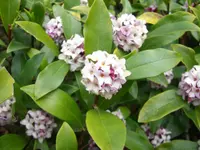
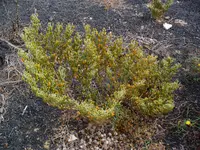
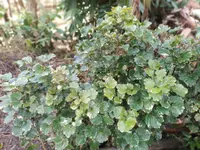
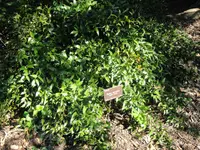
Winter daphne (Daphne odora) is an evergreen shrub valued for its strong fragrance and neat, compact growth. It typically forms a rounded mound with glossy, leathery leaves that may be solid green or edged in creamy yellow.
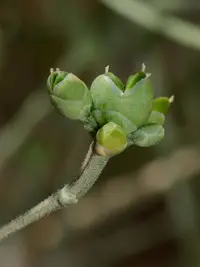
In late winter to early spring, it produces clusters of small, waxy, pink or white flowers with a powerful scent. This species is native to East Asia, especially China and Japan, and prefers mild climates.
The plant is considered somewhat challenging, as it dislikes root disturbance, poorly drained soil, and extreme heat. Understanding how to care for Winter daphne focuses on providing cool, partial shade, moist but well-drained soil, and stable conditions.

Care Difficulty
Hard Care

Light Preference
Partial Shade

Water Requirements
Moderate Water

Temperature Preference
Cool Climate

Hardiness Zone
7–9

Soil Texture
Loamy, Sandy, Organic-rich

Soil pH
Acidic (5.5–6.5), Slightly acidic (6.5–7.0)

Soil Drainage
Moist but well-drained

Fertilization
Minimal (feed rarely)
Scan your plant to receive care tips personalized for your specific plant
Available on iOS and Android
Daphne odora prefers bright, gentle light that avoids harsh, drying exposure.
This shrub needs steady moisture in well‑drained soil, without staying saturated.
This species prefers mild, stable temperatures and dislikes extremes of heat or cold.
Daphne odora prefers moderate humidity but copes with typical indoor and outdoor air if watering is well managed.
Daphne odora needs free-draining, moisture-retentive soil that never stays waterlogged.
This species is suitable for container growing when the pot is chosen to protect its sensitive roots and prevent waterlogging.
Daphne odora benefits from light, careful feeding rather than heavy fertilization.
Daphne odora needs only light, timely pruning to maintain a neat, healthy shape.
This shrub dislikes disturbance, so transplant or repot Daphne odora only when clearly necessary.
Daphne odora is slow and somewhat unreliable to propagate, so attempts often suit patient growers.
This shrub is moderately cold hardy but benefits from basic Winter daphne indoor care in colder regions.

Plant Health Check
Not sure what's wrong with your plant? Check your plant's health inside the app.
This species is especially valued because its small pale flowers release a strong, sweet fragrance outdoors in late winter when few other shrubs are in bloom.
Daphne odora typically stays low and rounded, often under 1.5 m tall, which makes it well suited to small gardens and shaded entryways.
The shrub has brittle, shallow roots and reacts poorly to disturbance, so established plants often decline if dug up or transplanted.

In traditional East Asian gardens, this shrub has long been planted near doorways and paths so its winter scent can be noticed easily, and it is sometimes used in small quantities in floral arrangements despite its sap being known to cause skin irritation.
Lack of flowers often comes from stress: recent transplanting, heavy pruning, waterlogged or very dry soil, or fertilizer high in nitrogen. Buds also fail in deep shade, sudden freezes, or if roots overheat in reflected sun.
Keep your plants happy and healthy with plant identification, disease detection, and easy care guidance.