whiteleaf manzanita Care (Arctostaphylos manzanita)

Also known as: Common Manzanita
whiteleaf manzanita

About whiteleaf manzanita

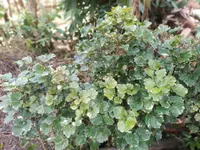
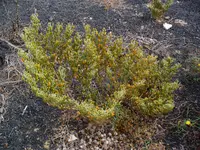
Whiteleaf manzanita (Arctostaphylos manzanita) is an evergreen shrub or small tree native to dry slopes and foothills of California and parts of southwestern Oregon. It forms dense, sculptural stands that are common in chaparral and open woodland.

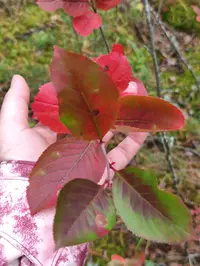
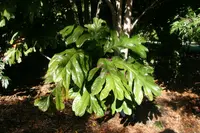
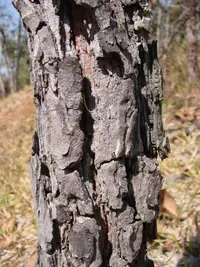
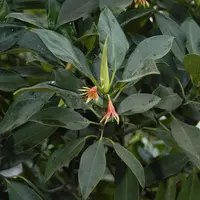
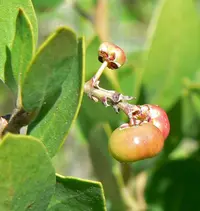
Plants typically have smooth reddish bark, stiff twisting branches, and gray-green leaves that give the shrub its pale look. Small white to pink urn-shaped flowers are followed by red or brown berry-like fruits.

This species prefers full sun, fast-draining, often rocky or sandy soils, and low to moderate moisture. Once established, care for whiteleaf manzanita is relatively low, but it dislikes heavy, wet, or compacted conditions and does not respond well to frequent disturbance or overwatering.

Main Plant Requirements

Care Difficulty

Moderate Care

Light Preference

Full Sun

Water Requirements

Low Water

Temperature Preference

Cold Hardy

Hardiness Zone

7–9

Soil Texture

Sandy, Loamy, Rocky

Soil pH

Acidic (5.5–6.5), Slightly acidic (6.5–7.0)

Soil Drainage

Well-drained

Fertilization

Minimal (feed rarely)

Get Personalized Care Plan

Scan your plant to receive care tips personalized for your specific plant

Available on iOS and Android

How to Care for the whiteleaf manzanita

This drought-adapted shrub thrives in strong sun but can tolerate some seasonal shade.

  • Provide 6–8 hours of direct sun daily; full sun promotes dense growth, flowering, and good color in whiteleaf manzanita.
  • Allow light afternoon shade in very hot inland areas to reduce leaf scorch, especially on young plants during their first 2–3 summers.
  • Avoid deep or continuous shade; plants grown with less than 4 hours of sun become leggy, with sparse flowering and higher disease risk.

This species prefers deep, infrequent watering and is highly sensitive to excess moisture around the roots.

  • In the ground, water only when the top 5–8 cm of soil are completely dry, then soak deeply and let soil drain fully.
  • Reduce or stop supplemental water once established, except during extended drought when leaves dull, curl slightly, or new growth stalls, which signals mild stress.
  • Use sharply draining, rocky or sandy soil; Arctostaphylos manzanita in poorly drained or frequently wet soil shows yellowing leaves, dieback, and increased root rot risk.

This shrub is adapted to Mediterranean-type climates with mild, wet winters and warm, dry summers.

  • Optimal growth occurs around 60–80°F (16–27°C), with strong performance in sunny, open sites that dry out between rains.
  • Mature plants generally tolerate down to about 10–15°F (-12 to -9°C); young plants are more vulnerable and benefit from protection during hard frosts.
  • Heat tolerance is good up to 95–100°F (35–38°C) if soil is well drained; during extreme heat waves, avoid extra summer watering unless plants show advanced wilt.

Humidity is rarely a concern for Arctostaphylos manzanita, which is adapted to dry air in its native range.

  • Target 20–40% humidity, similar to typical indoor and outdoor air in arid or Mediterranean climates.
  • Plant tolerates very low humidity better than prolonged damp, stagnant air, which can encourage fungal issues.
  • Leaf spotting, mildew, or dieback usually signal excess moisture around foliage rather than humidity that is too low.

Arctostaphylos manzanita prefers lean, very well-drained, mineral soils that mimic dry slopes and rocky sites.

  • Use a gritty mix such as 50–70% coarse sand or small gravel with the rest native soil and a small amount of compost.
  • Aim for slightly acidic to neutral pH, around 5.5–7.0, avoiding strongly alkaline or strongly amended potting mixes.
  • Ensure water drains within a few minutes after irrigation; if water lingers, add more mineral grit or pumice for aeration.
  • Avoid heavy clay, peat-heavy mixes, or constantly moist spots, which promote root rot and shorten plant lifespan.

This species can be grown in containers short term, but performs best in the ground for long-term health.

  • Choose a wide, heavy container to counteract the woody, spreading canopy that can make the plant top-heavy in wind.
  • Use a very fast-draining, mineral-based mix and elevate the pot slightly so drainage holes never sit in collected water.
  • Prefer unglazed clay or concrete pots, which allow moisture to evaporate faster and help keep roots from staying wet.

This drought-adapted shrub, including whiteleaf manzanita, needs little to no fertilizer in most garden soils.

Pruning Arctostaphylos manzanita is useful for safety, structure, and light shaping, not for heavy size control.

  • Best time is late summer to early fall, avoiding peak spring growth and flowering.
  • Remove dead, diseased, crossing, or rubbing branches with clean, sharp bypass pruners or a pruning saw.
  • Thin crowded interior stems to improve airflow and highlight the smooth, decorative bark.
  • Avoid cutting into old, bare wood, since manzanitas rarely resprout well from hard pruning cuts.

This shrub is rarely kept long-term in containers and responds best to minimal transplanting.

  • Transplant young plants in late fall to early winter in mild climates, or very early spring in colder areas.
  • Look for signs like roots circling the pot or stalled top growth before shifting to a slightly larger container or ground.
  • Handle the root ball gently; keep roots intact and avoid teasing or breaking them, as Arctostaphylos dislikes disturbance.
  • Water deeply once after planting, then allow soil to dry between light waterings to limit transplant shock.

Arctostaphylos manzanita propagation is possible but technically demanding for most home growers.

  • Semi-hardwood cuttings taken in late summer root under warm bottoms and cool tops, using a gritty, fast-draining mix.
  • Apply rooting hormone to cut ends and maintain high humidity without waterlogging to reduce rot risk.
  • Seeds need special pretreatment, often heat or smoke exposure, to break dormancy and germinate.
  • Layering low, flexible branches in sandy, well-drained soil can sometimes produce new rooted plants over many months.

Established plants are generally cold hardy in most mild to moderate winter climates and need little special winter care.

  • Most forms tolerate light to moderate frost once established, provided soil drains quickly.
  • Apply a 5–8 cm layer of coarse mulch around, but not touching, the crown to buffer root temperature swings.
  • Keep winter watering minimal; saturated cold soil increases risk of root rot.
  • Container plants in colder regions benefit from being moved to a cold, bright, frost-free shelter.

Care Tips

Encourage Low Branching

Pinch or lightly tip-prune young shoots in the first 2–3 years to encourage low, dense branching that shades the root zone and reduces weed competition and soil moisture loss.

Minimize Summer Disturbance

Avoid cultivating, adding surface compost, or installing new drip lines close to established roots in summer, since disturbance in hot, dry periods often triggers dieback in mature plants.

Use Inorganic Mulch

If mulch is needed, use a thin layer (1–2 in) of gravel or decomposed granite instead of organic bark, keeping it a few inches away from the stem to prevent excess moisture and collar rot around the base.

Train Single Or Multi-Stem

Decide early whether to keep a shrub form or a small tree form, and selectively remove competing leaders over 2–3 seasons to either maintain multiple stems or develop one strong trunk with good structure.

Monitor For Gophers

In areas with gophers, install wire baskets at planting and routinely check for fresh mounds near the dripline, since root feeding can cause sudden collapse when growing whiteleaf manzanita in dry sites.

Common Pests and Diseases

Twig blight

This disease causes dieback of young stems and branch tips, often following periods of warm, wet weather or overhead irrigation. Symptoms include browning of leaves on affected twigs, blackened or cankered stem tissue, and progressive tip death.

Solution

Prune out and dispose of blighted twigs 15–20 cm below the last visible damage, sterilizing pruners between cuts with 70% alcohol. Reduce or eliminate overhead watering, improve air movement around the plant, and avoid summer irrigation to support long-term Arctostaphylos manzanita care.

Leaf spot

This disease produces small tan, brown, or dark purple spots on leaves that can merge into larger blotches, sometimes causing premature leaf drop. Symptoms include thinning foliage on the inner canopy and unsightly speckling on older leaves.

Solution

Remove and discard heavily spotted leaves from the plant and from the soil surface to reduce spore spread. Water at soil level instead of overhead, space plants to increase airflow, and if needed apply a copper-based fungicide labeled for ornamental shrubs at the start of wet seasons according to label directions.

Aphids

These insects cluster on soft new growth and undersides of leaves, sucking sap and excreting sticky honeydew. This pest can cause distorted young foliage, curled tips, and attract sooty mold on coated surfaces.

Solution

Spray colonies off with a firm stream of water in the morning and repeat as needed, focusing on new shoots. For persistent infestations, apply insecticidal soap or a ready-to-use horticultural oil to all leaf surfaces, including undersides, when temperatures are below 80°F and plants are not water-stressed.

Scale insects

These insects appear as small, dome-shaped or flattened bumps on stems and older leaves that do not move when touched. This pest feeds on plant sap, leading to weak growth, branch decline, and sometimes honeydew and sooty mold.

Solution

Gently scrape off light infestations with a fingernail or soft brush, then wipe stems with a cloth dampened with 70% alcohol. For heavier problems, use a lightweight horticultural oil during mild weather to smother crawlers and young scales, repeating according to label directions while monitoring new growth.

Leaf gall

This disease triggers abnormal, swollen, fleshy growths on leaves or young stems, often pale green to pink, caused by infection of tender tissue. Symptoms include distorted foliage and localized galls that can harbor secondary fungi or insects but rarely kill established plants.

Solution

Prune and discard galled leaves and shoots as soon as they are noticed, cutting back into healthy tissue and cleaning tools with 70% alcohol between plants. Avoid overhead watering that keeps new growth wet for long periods and maintain good spacing so foliage dries quickly after rain or dew.

Interesting Facts

California chaparral specialist

This species is a dominant shrub in California’s chaparral, forming dense stands that stabilize thin, rocky soils and influence local fire behavior through its evergreen, resinous leaves and fine branching structure.

Bark that naturally peels

Mature plants develop smooth, reddish bark that exfoliates in thin, curling sheets, a process that may help reduce surface fungi, lichens, and insect loads while revealing fresh, photosynthetically active tissue beneath.

Mutualism with nitrogen fixers

Its roots commonly associate with actinorhizal Frankia bacteria hosted by nearby plants such as Ceanothus, indirectly benefiting from locally enriched nitrogen in otherwise nutrient-poor substrates.

Botan icon

Did you know?

Fossil evidence shows that plants very similar to Arctostaphylos manzanita were already part of western North American floras in the late Tertiary period, indicating that this lineage has persisted through major climatic shifts and the uplift of the modern Sierra Nevada and Coast Ranges.

FAQs about whiteleaf manzanita

This species is best grown outdoors in full sun, low-fertility, sharply drained soil, and open air circulation. It generally struggles indoors due to low light, higher humidity, and poor airflow, so whiteleaf manzanita indoor care is not recommended long term.

Grow Healthy Plants with Botan Care

Keep your plants happy and healthy with plant identification, disease detection, and easy care guidance.

Botan plant care app — identify plants on mobile

Explore More Plants