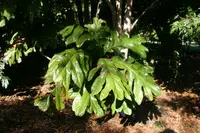
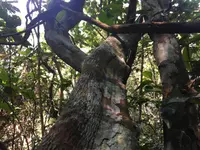
Cigartree Care (Bruguiera gymnorhiza)

Also known as: Oriental Mangrove, Kankra, orange mangrove, Large-leafed orange mangrove, Black Mangrove, Cigar Mangrove
Cigartree

About Cigartree

Cigartree, Bruguiera gymnorhiza, is a true mangrove tree commonly found along tropical and subtropical coastlines, estuaries, and river mouths. It is adapted to brackish, tidal waters and waterlogged soils.

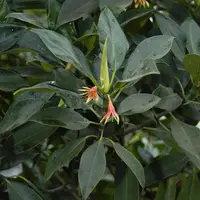
The tree has glossy, leathery leaves, elongated pointed flower buds that resemble cigars, and strong, arching prop roots that stabilize it in soft mud. It often forms dense mangrove stands that protect shorelines and support coastal wildlife.

In cultivation, it grows best in consistently moist, saline to slightly brackish conditions with high light and warm temperatures. Understanding how to care for Cigartree is important, as it is specialized and not as forgiving as typical houseplants.

Main Plant Requirements

Care Difficulty

Hard Care

Light Preference

Full Sun

Water Requirements

Aquatic

Temperature Preference

Tropical / Frost Sensitive

Hardiness Zone

11–12

Soil Texture

Sandy, Loamy, Organic-rich

Soil pH

Strongly acidic (4.5–5.5), Acidic (5.5–6.5)

Soil Drainage

Waterlogged tolerant

Fertilization

Minimal (feed rarely)

Get Personalized Care Plan

Scan your plant to receive care tips personalized for your specific plant

Available on iOS and Android

How to Care for the Cigartree

Bruguiera gymnorhiza prefers bright, warm coastal light similar to its natural mangrove habitat.

  • Provide 6–8 hours of sun daily, ideally with morning sun and light afternoon shade, especially in hot inland sites.
  • Tolerates partial shade, but growth and leaf density improve with filtered or dappled light rather than deep shade.
  • Watch for leaf scorch, bleaching, or crispy edges in intense all-day sun, and for leggy, pale shoots if light is too low; adjust exposure seasonally.

This mangrove species is adapted to consistently wet, even brackish, conditions rather than alternating wet–dry cycles.

  • In tidal or shoreline sites, allow natural flooding; in managed beds, keep soil saturated or very wet, never letting the top layer fully dry out.
  • Ensure organic, muddy, or clay-rich soil holds water yet allows slow drainage so roots do not sit in stagnant, anaerobic pockets for long periods.
  • Wilting, curling, or dull leaves can signal insufficient water, while foul odor, blackened roots, or yellowing, dropping leaves suggest chronic waterlogging issues.

This species prefers warm, frost-free climates that resemble tropical and subtropical shorelines.

  • Aim for 75–90°F (24–32°C) for active growth, as sustained warmth supports stable root and leaf development.
  • Protect from temperatures below 50°F (10°C); prolonged exposure near 40°F (4°C) can cause leaf drop and tissue damage.
  • Bruguiera gymnorhiza tolerates brief heat up to 95°F (35°C) if soil stays saturated, but it is highly sensitive to frost and should be shielded from cold winds.

This mangrove species prefers consistently high humidity, especially when grown away from tidal habitat.

  • Aim for 60–80% humidity; lower levels slow growth and can cause leaf-edge browning.
  • It tolerates brief dips to 40–50% but prolonged dry air leads to curled, dull, and shedding leaves.
  • Increase humidity outdoors by grouping plants near water features or indoors by using trays of wet gravel and regular, fine misting.

Bruguiera gymnorhiza thrives in saturated, oxygen-poor substrates that mimic coastal mangrove mud.

  • Use a deep mix of 60–70% washed sand with 30–40% peat or coco coir to create a dense, waterlogged medium.
  • Maintain very slow drainage or even standing water over the soil surface, as roots are adapted to anaerobic conditions.
  • Target a slightly acidic to neutral pH around 6.0–7.0, avoiding alkaline mixes that limit nutrient availability.
  • Avoid chunky, well-aerated potting mixes or high perlite content, which dry too quickly and stress mangrove roots.

This species can be grown in containers when its strong waterlogging needs are carefully managed.

  • Choose a heavy, tip-resistant tub or tank-style container deep enough to submerge the lower stem without risking overturning in wind.
  • Use an inner planting pot perforated on the sides, placed inside a water-holding outer vessel, to keep roots saturated yet somewhat contained.
  • Position the container where surface water can be refreshed frequently to prevent stagnant conditions that promote foul anaerobic buildup above the root zone.

Bruguiera gymnorhiza grown in containers benefits from modest, controlled feeding to support steady growth.

  • Use a balanced slow-release fertilizer (around 10-10-10) or diluted liquid feed at 1/2 strength for Cigartree in pots.
  • Apply every 4–6 weeks during the warm growing season when the plant is actively producing new leaves and roots.
  • Avoid fertilizing in winter or cool dormant periods to prevent weak, elongated growth and salt buildup in the substrate.
  • Rinse the potting medium with plain water every few months to reduce excess nutrients and maintain stable salinity levels.

Pruning Bruguiera gymnorhiza is mainly structural and hygienic, aimed at maintaining safe, compact growth.

  • Carry out light pruning at the end of winter or early spring, before strong new growth starts.
  • Remove dead, damaged, crossing, or crowded branches to improve airflow and light penetration through the canopy.
  • Use clean, sharp loppers or pruning saws, cutting just above a node or branch collar without leaving stubs.
  • Limit heavy shaping so the natural mangrove form remains stable and the root support structure is not compromised.

This mangrove is usually grown in the ground or specialized tanks, so focus on careful transplanting rather than frequent repotting.

  • Transplant young plants in late spring when temperatures are stable and new root growth is active.
  • Look for roots circling containers, waterlogging issues, or very slow growth as indicators that the plant has outgrown its current space.
  • Move the plant into a larger, well-drained, consistently moist substrate, keeping the root ball intact and at the same depth.
  • Reduce root stress by working on cloudy days, keeping roots constantly moist, and shading the plant for 1–2 weeks after transplanting.

Bruguiera gymnorhiza is typically propagated from its characteristic elongated propagules rather than from conventional cuttings.

  • Collect mature propagules in late summer to early autumn when they detach or are easily removed from the parent tree.
  • Plant propagules vertically in a saline or brackish, well-aerated substrate, burying the lower third for stability.
  • Maintain warm temperatures around 70–80°F, bright light, and consistently moist, slightly salty water to encourage rooting.
  • For seed-based methods, sow fresh material promptly and avoid drying, which significantly reduces germination success.

This tropical mangrove is not frost tolerant and needs protection in regions with cool or freezing winters.

  • Maintain temperatures above 50°F; even brief frosts can damage leaves and young stems.
  • Mulch the root zone of in-ground plants in mild coastal climates to buffer short cool spells.
  • Move container plants indoors or into a heated greenhouse before night temperatures drop below 55°F.
  • Provide bright light and avoid cold drafts indoors so the plant does not experience severe stress or leaf drop.

Care Tips

Salinity management

Maintain stable brackish conditions by topping up evaporated water with fresh, dechlorinated water while replacing only a portion of the total volume with diluted marine salt mix to keep salinity steady and avoid shocking roots.

Aerated root zone

Use a broad, shallow container and avoid compacting the substrate so pneumatophores (specialized air roots) can emerge and access oxygen, which improves long-term Bruguiera gymnorhiza plant care in non-tidal setups.

Tidal simulation

If possible, run a simple timer-controlled pump that periodically floods and drains the root zone to imitate tidal movement, which helps prevent anaerobic conditions and reduces salt and waste buildup around roots.

Propagule anchoring

When planting propagules, push them only 2–3 cm into the mud or sandy substrate and use small stones or mesh pins to keep them upright until a stable root system develops.

Nutrient monitoring

In closed systems, test water for nitrogen and phosphorus every 4–6 weeks and adjust feeding or perform partial water changes if levels rise too high, which helps limit algal overgrowth and root stress when growing Cigartree.

Common Pests and Diseases

Leaf miners

This pest tunnels within young leaves, creating pale, winding trails that can distort developing foliage on seedlings and nursery plants.

Solution

Remove and destroy heavily mined leaves to reduce the larval population, and encourage beneficial predators by avoiding broad-spectrum insecticides; in nursery settings, use sticky traps to monitor adults and, if needed, apply a targeted systemic insecticide labeled for leaf miners during peak activity on young plants only.

Scale insects

These insects attach to stems and leaf midribs, appearing as small brown or whitish bumps that cause yellowing and weakened growth in stressed or container-grown mangroves.

Solution

Wipe infested stems with a cloth dipped in diluted insecticidal soap or horticultural oil, repeat every 7–10 days until no new scales appear, and improve plant vigor by providing stable moisture and avoiding excessive fertilizer that encourages soft, susceptible growth.

Wood borers

This pest bores into stems and branches, leaving small entry holes, frass, and sometimes branch dieback in young or stressed trees, especially in managed or planted stands.

Solution

Prune and destroy affected branches as soon as boring is noticed, keep trees healthy through proper watering and reduced mechanical damage to bark, and where infestations are recurrent in planted areas, use pheromone or light traps to monitor adult beetles and remove highly infested trees acting as reservoirs.

Leaf spot

This disease causes brown to dark spots with possible yellow halos on leaves, sometimes coalescing into larger necrotic patches that reduce photosynthetic area in nursery or low-circulation settings.

Solution

Remove and discard affected leaves, increase spacing and airflow around plants, avoid wetting foliage when watering, and if the problem persists in nursery beds, apply a copper-based or other labeled fungicide at the first sign of new spotting while maintaining good hygiene of benches and tools.

Sooty mold

This disease appears as a black, powdery coating on leaves and stems that grows on honeydew excreted by sap-sucking insects like scale or mealybugs, reducing light reaching the leaf surface.

Solution

First manage the underlying sap-sucking insects, then gently wash leaves with clean water and a mild soap solution to remove the mold layer; improve light and air movement around the plant so foliage dries faster and monitor regularly for any returning honeydew or mold growth.

Interesting Facts

Pencil-shaped propagules

This mangrove forms long, pencil-like seedlings called propagules that develop while still attached to the parent tree, then drop and stick upright in the mud to start rooting almost immediately.

Knee-like root buttresses

Instead of the tall aerial roots seen in some mangroves, this species forms sturdy, knee-like buttresses and short peg roots that stabilize the trunk in soft, tidal mud and help with gas exchange in low-oxygen soils.

Red-fruiting mangrove

The large, glossy fruits are usually reddish to dark brown and were historically used as a source of tannins for dyeing and preserving fishing nets in parts of its Indo-Pacific range.

Botan icon

Did you know?

In traditional coastal engineering in some Indo-Pacific regions, dense stands of this species have been deliberately planted as living breakwaters because their tight root systems can significantly reduce shoreline erosion and buffer small storm surges over time.

FAQs about Cigartree

Growth is moderate for a mangrove tree. In suitable coastal conditions, it may add around 20–50 cm of height per year, slowing as it matures. Salt levels, temperature, waterlogging, and nutrient availability strongly influence growth rate.

Grow Healthy Plants with Botan Care

Keep your plants happy and healthy with plant identification, disease detection, and easy care guidance.

Botan plant care app — identify plants on mobile

Explore More Plants