Abuta grandifolia Care

Abuta grandifolia

About Abuta grandifolia

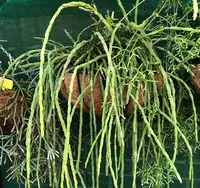
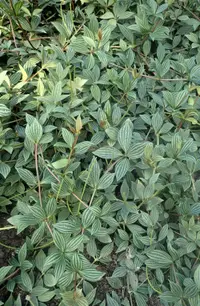
Abuta grandifolia is a large woody climber from tropical South America, often found in warm, humid forests. It belongs to the Menispermaceae family, known for vigorous vines with twining stems. The plant typically shows broad, heart-shaped leaves and can scramble over trees or supports, creating dense green coverage. Its growth habit makes it more suitable for spacious greenhouses or outdoor tropical-style plantings than for small rooms. In cultivation it prefers stable warmth, filtered light, and evenly moist but well-drained soil. Understanding how to care for Abuta grandifolia starts with recognizing its need for consistent humidity and support for its climbing stems.

Main Plant Requirements

Care Difficulty

Moderate Care

Light Preference

Partial Shade

Water Requirements

Moderate Water

Temperature Preference

Tropical / Frost Sensitive

Hardiness Zone

Unknown

Soil Texture

Loamy, Silty, Organic-rich

Soil pH

Acidic (5.5–6.5)

Soil Drainage

Moist but well-drained

Fertilization

Minimal (feed rarely)

Get Personalized Care Plan

Scan your plant to receive care tips personalized for your specific plant

Available on iOS and Android

How to Care for the Abuta grandifolia

This tropical climber prefers bright, filtered light that mimics a high-canopy forest edge.

  • Provide 4–6 hours of bright, indirect light daily, such as dappled shade under taller plants or a shade cloth outdoors.
  • Allow gentle morning sun but protect from strong midday and afternoon sun, which can scorch leaves and cause pale, dry patches.
  • In summer, increase filtered light for stronger growth; in winter, avoid deep shade that leads to leggy, sparse stems and reduced vigor.

Watering should keep the root zone consistently moist but never saturated.

  • Let the top 2–4 cm of soil dry before watering again, using enough water so it drains freely from the planting area or container.
  • Reduce frequency during cooler months, but do not allow the soil to dry out completely, which causes limp, curling leaves and slowed growth.
  • Improve drainage with organic matter; soggy soil, yellowing lower leaves, and a sour smell indicate overwatering stress for Abuta grandifolia.

This species thrives in warm, frost-free conditions that resemble lowland tropical forest climates.

  • Aim for 70–85°F (21–29°C) for active growth, with stable conditions and protection from sudden temperature swings.
  • Avoid temperatures below 55°F (13°C); brief dips to 50°F (10°C) may be tolerated but slow growth and can cause leaf drop.
  • Protect from frost at all times and from extreme heat above 95°F (35°C), offering shade and extra moisture during hot, dry spells.

This rainforest vine prefers consistently moist air and reacts to very dry indoor conditions.

  • Aim for 60–80% humidity, as typical heated homes around 30–40% are often too dry long term.
  • Watch for crisp leaf edges, curling, and stalled growth as signs of low-humidity stress.
  • Increase humidity with a nearby room humidifier, grouped plants, or a wide pebble tray that allows evaporation around the plant.

This species grows best in loose, moist, well‑aerated substrate that mimics a forest floor.

  • Use a loamy mix with high organic matter, for example 40% peat or coco coir, 40% compost, 20% perlite or bark chips.
  • Ensure fast drainage so water moves through within seconds, leaving the mix lightly moist but never waterlogged.
  • Keep pH slightly acidic to neutral, around 6.0–7.0, which supports nutrient uptake for Abuta grandifolia roots.
  • Avoid heavy clay, compacted garden soil, or mixes that stay soggy, and refresh structure with coarse materials if it begins to pack down.

This vigorous climber can be grown in large containers if the pot supports its size and vining habit.

  • Choose a deep, heavy pot that resists tipping once the vine and support structure gain height and mass.
  • Provide a sturdy trellis or pole anchored directly in the container so wind or growth does not loosen the root zone.
  • Select a pot material that matches your climate, such as thicker clay for cooler roots outdoors in hot regions.

This species grows in relatively lean forest soils, so heavy feeding is unnecessary but light fertilization can support container or garden-grown Abuta grandifolia during active growth.

  • Use a balanced, diluted liquid fertilizer (for example 10-10-10) at 1/2 strength every 4–6 weeks in spring and summer.
  • Alternative feeding with thin compost tea or a small layer of well-rotted compost improves soil structure and micronutrients.
  • Avoid high-salt synthetic products; flush the potting mix with plain water every few months to prevent buildup.
  • Stop fertilizing in autumn and winter when growth slows, especially in cooler indoor or marginal outdoor conditions.

Pruning Abuta grandifolia is mainly about keeping the vine manageable and healthy rather than shaping it tightly.

  • Carry out light pruning at the end of winter or early spring before strong new growth starts.
  • Remove dead, diseased, or crossing stems first, then thin crowded shoots to improve light and air flow.
  • Shorten overly long vines to control spread and to encourage branching from lower nodes.
  • Use sharp, disinfected pruners and make clean cuts just above a leaf node or side branch.

This species is more often grown in the ground, but container-grown Abuta grandifolia benefits from occasional upsizing or careful transplanting.

  • Check for roots circling the pot, pushing through drainage holes, or slow, weak growth as signals to move it.
  • Plan repotting or transplanting for late spring or early summer once nights stay reliably warm.
  • Shift into a container 2–5 cm wider with free-draining, organic-rich mix, or transplant into similar soil outdoors.
  • Handle the root ball gently, loosen only the outer roots, water thoroughly afterward, and shade for several days to limit stress.

Propagation of Abuta grandifolia is possible but not typically quick, so it suits patient growers.

  • Use fresh seeds in late spring; sow in a warm (75–80°F), consistently moist, well-draining medium.
  • Lightly cover seeds, maintain high humidity, and provide bright, indirect light to support slow, steady germination.
  • Semi-ripe stem cuttings taken in early summer can root in a sterile mix under high humidity and bottom warmth.
  • Apply a mild rooting hormone and avoid waterlogging, which can cause cutting failure through stem rot.

This tropical vine is frost-sensitive, so winter care matters in regions with cool or freezing conditions.

  • In USDA zones cooler than 10, grow Abuta grandifolia in containers and move indoors before temperatures drop below 50°F.
  • Provide bright, indirect light indoors and slightly drier soil during the coolest months.
  • For in-ground plants in mild climates, mulch the root zone with 5–8 cm of organic material to buffer temperature swings.

Care Tips

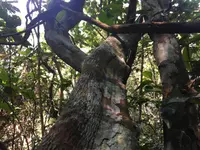
Provide climbing support

Install a sturdy trellis or horizontal wires early and gently secure young vines with soft ties so the plant can develop a well-structured framework and avoid stem breakage as it gains weight.

Mulch the root zone

Apply a 5–8 cm layer of coarse organic mulch around, but not touching, the stem base to stabilize soil moisture, buffer root temperatures, and reduce weed competition in the root zone.

Plan for root space

Use a deep, wide planter or ground area and avoid frequent repotting so the extensive root system can develop fully, which supports stronger top growth and more stable vines.

Scheduled health checks

Inspect stems, leaf undersides, and tendril bases every 1–2 weeks for scale, mites, or mealybugs and remove any early infestations with a cotton swab and horticultural soap before they spread along the liana.

Seasonal growth control

In warm climates where growth is vigorous, lightly thin congested stems at the start of the growing season to improve air movement, light penetration, and long-term structure when caring for Abuta grandifolia.

Common Pests and Diseases

Leaf-chewing caterpillars

This pest commonly feeds on the tender leaves and young shoots of Abuta grandifolia in its native forest habitat, leaving irregular holes and tattered foliage. Symptoms include rapid loss of leaf area and frass (insect droppings) on and below the plant.

Solution

Hand-pick visible caterpillars in early morning or evening and prune heavily damaged leaves to reduce feeding sites. For ongoing issues when growing Abuta grandifolia in garden or agroforestry settings, use Bacillus thuringiensis (Bt) on young foliage and encourage natural predators by maintaining diverse surrounding vegetation.

Leaf-mining larvae

This pest forms winding, pale tunnels inside the leaf blades, which can reduce photosynthesis and cause early leaf drop. Symptoms include serpentine trails that turn brown and thin patches where the internal leaf tissue has been eaten.

Solution

Remove and destroy affected leaves as soon as mines are visible to break the life cycle. For repeated infestations, use sticky traps to monitor adult flies or moths and apply a neem-based spray on new growth, ensuring good coverage on both leaf surfaces while avoiding direct midday sun.

Scale insects

These insects attach firmly to stems and leaf veins, sucking sap and weakening the vine over time. Symptoms include small dome-shaped bumps, sticky honeydew on leaves, and possible sooty mold growth on the honeydew deposits.

Solution

Gently scrape or rub off individual scales with a soft cloth or cotton swab dipped in alcohol, then rinse the plant with water to remove honeydew. For heavier infestations, use repeated applications of horticultural oil, ensuring thorough coverage of stems and the undersides of leaves while monitoring new growth regularly.

Anthracnose leaf spots

This disease causes small, water-soaked lesions on leaves that expand into brown or tan spots with darker edges, especially in warm, wet conditions under forest or shade-house cover. Symptoms include premature yellowing and drop of the most affected leaves, often starting on lower, denser parts of the vine.

Solution

Remove and dispose of spotted or fallen leaves and avoid wetting the foliage when watering to reduce spread. Improve air movement around the vine by careful pruning and spacing, and, if needed, apply a copper-based fungicide during prolonged wet periods, following label directions and focusing on young, expanding foliage.

Stem canker

This disease produces sunken, dark lesions on older stems and at pruning wounds, which can interrupt sap flow and cause dieback of portions of the vine. Symptoms include cracking or girdling of affected stems and wilting or yellowing of the shoots above the damaged area.

Solution

Cut out and discard affected stem sections several cm below visible damage using sterilized tools, then disinfect tools between cuts to avoid spread. Reduce plant stress through consistent moisture and balanced light, protect stems from mechanical injury, and in humid cultivation areas consider a preventative fungicide spray after heavy pruning or storm damage as part of broader Abuta grandifolia care instructions.

Interesting Facts

Massive rainforest liana

This species is a large woody climber native to lowland Amazonian rainforests, where its stems can reach the canopy by twining around tree trunks and branches.

Distinctive grand leaves

The species name grandifolia refers to its relatively large, broadly ovate leaves, which help increase light capture in the shaded understory before the vine reaches higher light levels.

Dioecious flowering habit

Abuta grandifolia is dioecious, meaning individual plants bear either male or female flowers, so fruit is produced only where both sexes grow in proximity.

FAQs about Abuta grandifolia

This species is a woody climber that uses surrounding vegetation or structures for support. It produces long, twining stems that scramble upward rather than forming a self-supporting shrub. Pruning and structural support help manage size and direction.

Grow Healthy Plants with Botan Care

Keep your plants happy and healthy with plant identification, disease detection, and easy care guidance.

Botan plant care app — identify plants on mobile

Explore More Plants