Southern California walnut Care (Juglans californica)

Also known as: Southern California Black Walnut, Northern California Black Walnut, California black walnut
Southern California walnut

About Southern California walnut

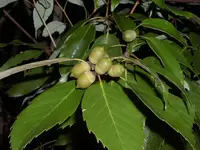
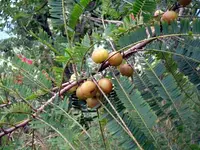
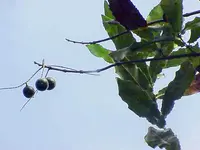
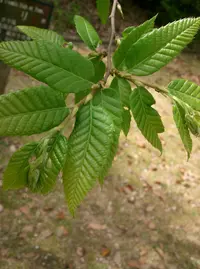
Southern California walnut, Juglans californica, is a deciduous tree or large shrub native to foothills and valleys of southern California and northern Baja California. It typically forms a multi-trunked, spreading canopy with finely divided, aromatic leaves and produces small walnuts that are important for wildlife. Bark becomes furrowed with age, giving older plants a rugged appearance in dry landscapes. This species is adapted to hot, dry summers and cool, wetter winters, so it suits low-water, Mediterranean-style gardens. Those who want to learn how to care for Southern California walnut should note its preference for full sun, good drainage, and low to moderate supplemental irrigation once established.

Main Plant Requirements

Care Difficulty

Moderate Care

Light Preference

Full Sun

Water Requirements

Low Water

Temperature Preference

Warm Climate

Hardiness Zone

7–10

Soil Texture

Sandy, Loamy, Rocky

Soil pH

Slightly acidic (6.5–7.0), Neutral (7.0)

Soil Drainage

Well-drained

Fertilization

Minimal (feed rarely)

Get Personalized Care Plan

Scan your plant to receive care tips personalized for your specific plant

Available on iOS and Android

How to Care for the Southern California walnut

Juglans californica thrives in bright, open sites with strong sun exposure.

  • Provide full sun for 6–8 hours daily; light afternoon shade is useful in very hot inland areas to reduce leaf scorch.
  • Young trees benefit from filtered light or partial shade (3–4 hours direct sun) during their first 1–2 summers, especially in exposed sites.
  • Southern California walnut tolerates some light shade, but dense shade slows growth, reduces nut production, and creates a sparse, stretched canopy.

Juglans californica prefers deep, infrequent watering once established.

  • Water when the top 5–8 cm of soil are dry, then soak the root zone thoroughly so moisture reaches 30–45 cm deep.
  • During the first 2–3 years, increase frequency in hot, dry periods; mature trees usually need less frequent irrigation if roots reach groundwater or deep moisture.
  • Signs of overwatering include yellowing leaves and soggy soil; dry, curling leaves and premature leaf drop indicate underwatering or prolonged drought stress.

This species is adapted to warm, dry-summer climates with cool, mild winters.

  • Optimal growing temperatures are about 65–85°F (18–29°C), with strongest shoot growth in late spring and early summer.
  • Trees tolerate winter lows down to about 15–20°F (-9 to -6°C); brief colder snaps may damage young shoots or buds, especially on first-year plants.
  • In summer, established trees handle 95–105°F (35–40°C) if soil moisture is adequate, but extreme heat plus drought can cause leaf scorch and early leaf drop.

Humidity is rarely limiting for Juglans californica grown outdoors in its native-type climates.

Juglans californica prefers deep, well-drained, moderately fertile mineral soils.

  • Use a loamy or sandy-loam soil with some organic matter to support root development and nutrient availability.
  • Ensure drainage is free by avoiding compacted areas and heavy clay; if necessary, amend with coarse sand and fine gravel for better percolation.
  • Aim for slightly acidic to neutral pH, around 6.0–7.5, and incorporate mature compost in the top layer rather than burying large organic chunks.
  • Avoid waterlogged, saline, or very shallow soils, which restrict root growth and increase risk of root diseases.

This species is generally unsuited to long-term container growing due to its large, wide-spreading root system.

This native tree usually grows well in average soil, so supplemental fertilizer for Southern California walnut is modest rather than intensive.

  • In poor or sandy soils, apply a light layer of well-aged compost around the drip line in early spring.
  • Use a balanced slow-release fertilizer (around 10-10-10) at half label rate once in spring if growth appears weak or foliage pale.
  • Avoid summer overfeeding; high nitrogen can cause rank, vulnerable growth and reduce drought tolerance.
  • Do not fertilize in late fall or winter, as Juglans californica is dormant and excess nutrients are wasted or may leach.

Pruning Juglans californica focuses on structural safety and removing problem wood rather than frequent shaping.

  • Carry out main pruning in late winter while the tree is dormant and branch structure is visible.
  • Remove dead, diseased, crossing, or storm-damaged branches using clean, sharp bypass pruners or a pruning saw.
  • Thin crowded interior branches selectively to improve light penetration and airflow, not by topping the tree.
  • Limit cuts to smaller branches where possible; large wounds seal slowly and can invite decay.

This species is rarely kept long-term in containers; management focuses on timely transplanting of young trees to their final site.

  • Transplant when young, typically at 1–3 years old, before roots become extensive and difficult to move.
  • Plan planting for late fall to early winter in mild climates, or very early spring before bud break in colder sites.
  • Signs a container seedling needs a larger space include roots circling the pot, water running off quickly, and slowed top growth.
  • Reduce root stress by watering thoroughly before and after transplanting, handling the root ball gently, and mulching to keep soil evenly moist.

Juglans californica is most commonly propagated from seed, with some planning needed to achieve reliable germination.

  • Collect healthy nuts in fall, removing husks and discarding any that float in water, which often indicates emptiness.
  • Provide cold stratification by storing moist nuts at about 35–40°F for 60–90 days to break dormancy.
  • Sow seeds 5–7 cm deep in deep containers or nursery beds with well-drained soil, protecting from rodents and birds.
  • Keep soil evenly moist but never waterlogged; young seedlings need full sun to light shade and protection from heavy trampling.

Mature Juglans californica is generally cold hardy in its native range and needs little active winter care in the ground.

  • In areas below its usual hardiness, add 5–8 cm of mulch over the root zone, keeping it a few cm away from the trunk.
  • Young or container-grown trees benefit from a sheltered spot away from drying winds and severe frost pockets.
  • Move containers against a south-facing wall or into an unheated garage in colder climates to reduce root freezing risk.

Care Tips

Manage Root Competition

Site trees at least 6–8 ft from other young trees or shrubs and keep a 1.5–2 m weed‑free mulch ring so the extensive root system and natural juglone production do not suppress nearby plant growth.

Shape Early Structure

During the first 3–5 years, select 3–5 well‑spaced main scaffold branches and remove steep, crossing, or low branches in late winter to create a strong, open framework that resists limb breakage in wind and allows good light penetration.

Protect Young Bark

On young trunks, use a breathable tree guard or apply a light-colored, interior white latex paint diluted 1:1 with water on the south and west sides to reduce sunscald and bark cracking in hot, exposed sites.

Control Suckers Regularly

Inspect the base and roots several times each growing season and remove basal shoots and root suckers while still soft and small, cutting them flush with the point of origin to maintain a single main trunk and reduce wasted energy.

Plan Wildlife Access

When growing Southern California walnut near natural areas, allow some nuts to remain on the ground or on the tree in autumn to support local wildlife, but harvest promptly in high-traffic areas to avoid slipping hazards and unwanted volunteer seedlings.

Common Pests and Diseases

walnut husk fly

This pest lays eggs in the walnut husk, and larvae feed inside, causing black, mushy husks and damaged kernels. Symptoms include premature nut drop and stained shells that are difficult to clean.

Solution

Monitor trees from early summer and use yellow sticky traps or pheromone-baited traps to detect adult flies. Collect and destroy infested nuts on the ground, and in larger plantings use timed applications of a spinosad-based bait spray when adults first appear to break the life cycle of the fly.

walnut scale

This pest appears as small, hard, round or oystershell-like bumps on twigs and branches, sometimes leading to dieback and reduced vigor. This pest weakens trees by sucking sap and can create entry points for wood decay organisms.

Solution

Prune out and destroy heavily infested twigs during dormancy and encourage natural predators such as lady beetles by limiting broad-spectrum insecticides nearby. For significant infestations, apply a horticultural oil spray during the dormant season to smother overwintering scales, ensuring thorough coverage of branches and twigs.

walnut twig beetle

These insects are tiny bark beetles that bore into small branches and twigs, often associated with thousand cankers disease. Symptoms include small dark entry holes, twig dieback, and patches of dead bark along branches.

Solution

Remove and destroy dead or heavily infested branches to reduce beetle breeding sites and avoid moving firewood or prunings from affected trees to new locations. In regions where thousand cankers disease is present, follow local extension or forestry guidelines for sanitation and monitoring, since insecticide treatments are often less effective than strict hygiene and movement restrictions.

thousand cankers disease

This disease involves a fungus spread by walnut twig beetle, creating many small cankers under the bark that gradually girdle branches and stems. Symptoms include progressive branch dieback, sparse foliage, and eventual decline of the whole tree.

Solution

Prune and destroy dead or declining branches as soon as they are noticed, disinfecting tools between cuts to limit fungal spread. Do not transport wood, logs, or prunings from affected trees, and in areas with confirmed disease follow state or local regulatory guidelines, which may include removing severely affected trees to protect nearby walnuts and align with best Juglans californica care practices.

walnut aphid

These insects cluster on the undersides of leaves, sucking sap and causing leaf yellowing, curling, and sticky honeydew that can lead to sooty mold on foliage. Heavy infestations can reduce tree vigor and nut quality.

Solution

Inspect the undersides of leaves regularly in spring and early summer and hose small trees with a strong stream of water to dislodge colonies. Encourage natural enemies such as lacewings and lady beetles, and if necessary use an insecticidal soap or light horticultural oil directed to the leaf undersides, applied in the early morning or evening to reduce leaf burn.

Interesting Facts

Multi-stemmed woodland tree

Southern California walnut typically grows as a multi-trunked tree or large shrub, forming dense thickets rather than a single tall trunk like many other walnut species.

Crucial wildlife food source

Its relatively small nuts are important food for native birds, rodents, and larger mammals in coastal sage scrub and chaparral habitats, supporting complex food webs in dry landscapes.

Adapted to dry summers

This species is adapted to the Mediterranean climate of coastal California, dropping some leaves early in very dry years to reduce water loss and survive prolonged summer drought.

Botan icon

Did you know?

Southern California walnut hybrids readily with the northern California black walnut (Juglans hindsii), and these hybrids were historically used as vigorous, disease-tolerant rootstocks for English walnut orchards in California’s commercial nut industry.

FAQs about Southern California walnut

This tree usually grows at a moderate rate, often adding 30–60 cm in height per year once established. Growth is faster in deep, well-drained soils and slower in compacted, dry, or nutrient-poor sites.

Grow Healthy Plants with Botan Care

Keep your plants happy and healthy with plant identification, disease detection, and easy care guidance.

Botan plant care app — identify plants on mobile

Explore More Plants