emblic Care (Phyllanthus emblica)

Also known as: Myrobalan, Emblic Leaf-flowered, Indian Gooseberry
emblic

About emblic

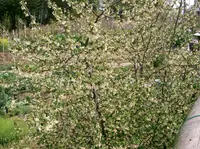
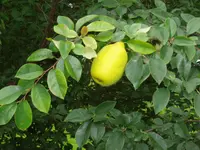
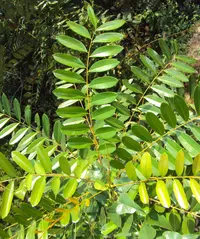
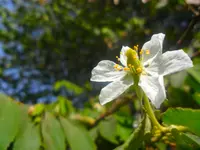
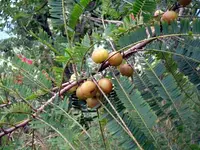
Emblic, or Phyllanthus emblica, is a small to medium-sized deciduous tree best known for its tart, vitamin C–rich fruits called Indian gooseberries. It has fine, feathery foliage on narrow branchlets, giving the canopy a soft, fern-like look, and produces small pale flowers followed by round green to yellow fruits.

This species is native to the Indian subcontinent and parts of Southeast Asia, where it grows in warm, seasonal climates. It is generally hardy, drought-tolerant once established, and adapts to a range of well-drained soils, which makes it relatively forgiving if basic needs are met. Gardeners who learn how to care for emblic usually find it reliable in full sun with moderate moisture.

Main Plant Requirements

Care Difficulty

Moderate Care

Light Preference

Full Sun

Water Requirements

Moderate Water

Temperature Preference

Warm Climate

Hardiness Zone

9–11

Soil Texture

Sandy, Loamy, Organic-rich

Soil pH

Slightly acidic (6.5–7.0), Neutral (7.0)

Soil Drainage

Well-drained

Fertilization

Minimal (feed rarely)

Get Personalized Care Plan

Scan your plant to receive care tips personalized for your specific plant

Available on iOS and Android

How to Care for the emblic

This fruit tree prefers strong light but benefits from some protection from harsh sun in hot climates while caring for emblic.

  • Provide 6–8 hours of direct sun daily, ideally with morning sun and light afternoon shade in very hot regions.
  • Young trees tolerate partial shade (3–4 hours of direct sun), but fruiting and dense growth improve with full sun exposure.
  • Watch for leaf scorch or yellowing in intense summer sun and for sparse, leggy growth if light drops below about 4 hours per day.

This species prefers evenly moist, well-drained soil rather than constant wetness.

  • Water when the top 3–5 cm of soil feels dry, applying a deep soak that reaches the root zone rather than frequent light sprinkling.
  • Ensure free-draining soil to prevent standing water, as Phyllanthus emblica is prone to root issues in heavy, compacted, or waterlogged ground.
  • Reduce watering in cool seasons, watching for limp, curling leaves as a sign of drought stress and yellowing, soft leaves as a sign of overwatering.

This subtropical tree grows best in warm, frost-free conditions with some heat tolerance.

  • Aim for 70–90°F (21–32°C) during active growth, as extended cool, damp weather slows root activity and canopy development.
  • Protect from temperatures below 32°F (0°C); light frost may damage young shoots, and hard freezes can kill small trees back to the base.
  • In very hot periods above 100°F (38°C), provide extra mulch and soil moisture and, where possible, light afternoon shade to reduce heat stress.

This species handles a wide humidity range but prefers moderately humid air when young.

  • Target 40–60% humidity for seedlings and young plants, while mature trees tolerate drier air outdoors.
  • Dry indoor air may cause leaf tip browning and marginal crisping, especially on new flushes.
  • Increase humidity around container-grown emblic by grouping plants or placing pots over a pebble tray, not in standing water.

Phyllanthus emblica prefers deep, well-drained, moderately fertile soil rather than rich, heavy mixes.

  • Use a sandy or loamy mix with a crumbly structure, such as 2 parts sandy loam, 1 part coarse sand, and 1 part compost.
  • Ensure rapid drainage; water should pass through within seconds, with no puddling or lingering surface gloss.
  • Aim for slightly acidic to neutral pH, around 6.0–7.5, avoiding very acidic peat-heavy mixes without buffering compost.
  • Improve aeration and prevent compaction by including coarse sand or fine grit and avoiding high proportions of dense clay.

This tree can be grown in containers for several years if given a stable, deep pot with excellent drainage.

  • Choose a container deeper than it is wide to accommodate the strong taproot and reduce rocking in wind.
  • Use a heavier material, such as thick-walled clay, to counterbalance the top growth and limit tipping.
  • Raise the pot slightly on feet or bricks so drainage holes stay clear and excess water exits quickly after watering.

This fruit tree benefits from moderate, balanced nutrition in active growth but tolerates lean soils.

  • Apply a balanced slow-release fertilizer (around 10-10-10) or well-rotted compost in early spring, lightly working it into the topsoil.
  • Feed container plants every 4–6 weeks in the growing season with a half-strength balanced liquid fertilizer after watering.
  • Avoid overfeeding; excessive nitrogen reduces fruit quality and can cause lush, weak growth.
  • Suspend feeding in late fall and winter when growth slows, especially in cooler climates.

Thoughtful pruning supports strong structure, airflow, and fruiting in Phyllanthus emblica.

  • Carry out main pruning in late winter or very early spring before active growth starts.
  • Remove dead, diseased, crossing, or inward-growing branches to reduce pest problems and improve light penetration.
  • Thin crowded interior shoots to maintain an open, vase-like canopy and encourage better fruit set.
  • Use clean, sharp bypass pruners or loppers, making smooth cuts just above a bud or branch junction.

This species is usually grown in the ground, so transplanting young trees correctly is more important than frequent repotting.

  • Shift container-grown saplings when roots circle the pot or growth slows, typically every 1–2 years while young.
  • Plan outdoor transplanting for late winter to early spring, after hard frosts but before strong new growth.
  • Dig a wide planting hole, keep the root ball intact, and set the tree at the same soil depth as before.
  • Water thoroughly after planting, then keep soil evenly moist and shaded for 1–2 weeks to limit transplant shock.

Phyllanthus emblica is most often propagated from seed, with grafting used for consistent fruit quality.

  • Sow fresh, cleaned seeds in late winter–spring in a free-draining, sandy seed mix kept around 70–80°F.
  • Lightly cover seeds, keep the medium evenly moist, and provide bright, indirect light for steady germination.
  • Use semi-hardwood scion wood for grafting onto vigorous rootstocks in late winter to clone desired cultivars.
  • Maintain good air movement and avoid waterlogging to reduce damping-off and other seedling diseases.

This subtropical tree is only moderately frost hardy and benefits from simple winter protection in cooler regions.

  • Tolerates brief light frosts but can suffer damage below about 28°F, especially when young.
  • Apply a 5–8 cm mulch layer around the root zone in late fall, keeping it slightly away from the trunk.
  • Wrap young trunks with breathable frost cloth or burlap during cold snaps to limit bark and cambium injury.
  • Move container-grown trees into a bright, frost-free space, watering sparingly while growth is slow.

Care Tips

Rootzone mulching

Apply a 5–8 cm layer of coarse organic mulch around the dripline, keeping it 5–10 cm away from the trunk, to stabilize soil moisture and temperature and to protect the shallow feeder roots from heat and compaction.

Wind-smart staking

Stake young trees for the first 1–2 years using 2–3 flexible ties placed low and wide, allowing slight trunk movement so the tree develops a strong taper without leaning or uprooting in seasonal winds.

Formative branch training

In the first 3–4 years select 3–5 evenly spaced scaffold branches and remove narrow, crossing, or steeply upright shoots, which improves light penetration and makes future fruit harvest and pest monitoring easier.

Salt and pH monitoring

In regions with hard or saline irrigation water, test soil EC (electrical conductivity) and pH every 1–2 years and apply gypsum or leach with deep irrigation if salts accumulate, since emblic is sensitive to chronic salt stress in heavy soils.

Fruit load management

On young or weak trees, thin excess small fruits by hand after natural fruit drop, leaving 1 fruit per cluster, to reduce limb stress and direct more resources into root and canopy development when growing emblic.

Common Pests and Diseases

Fruit borer

This pest tunnels into developing fruits, causing internal feeding damage, premature fruit drop, and small exit holes on the skin. Symptoms include brown, spongy pulp and spoiled, unmarketable fruits.

Solution

Collect and destroy infested and fallen fruits regularly to break the life cycle, and prune lightly to keep the canopy open and less attractive to egg‑laying moths. For ongoing problems, use light traps and, where allowed, apply a targeted biological insecticide with Bacillus thuringiensis to young fruits at recommended intervals.

Shoot gall maker

This pest induces hard, round galls on young shoots and buds, which distort growth and reduce new flushes. Symptoms include clustered, swollen shoot tips that may dry back and reduce flowering and fruiting.

Solution

Prune and destroy affected shoots before adult insects emerge, focusing on deformed, gall‑bearing tips. Maintain good tree vigor through balanced watering and fertilization, and if infestations are heavy, time a selective systemic insecticide spray to the early flush period based on local extension advice.

Rust

This disease causes small yellow to orange pustules on leaves, leading to chlorosis, speckling, and premature leaf drop under humid conditions. Symptoms include reduced vigor and a thinner canopy when infections are repeated.

Solution

Remove and destroy heavily infected leaves and maintain good spacing and pruning to improve air movement and reduce leaf wetness duration. In wet, rust‑prone areas, apply a copper or triazole fungicide preventively at the start of the rainy period, following label directions and avoiding overhead irrigation.

Anthracnose

This disease produces dark, sunken lesions on leaves, young twigs, and sometimes fruits, which can merge and cause dieback of tender shoots. Symptoms include irregular brown spots with darker margins and possible cracking or distortion on affected tissues.

Solution

Prune out and discard infected twigs and leaves, disinfecting pruning tools between cuts, and avoid dense, shaded canopies through regular thinning. During warm, wet weather, protect new growth with a labeled contact or systemic fungicide and reduce surface moisture by watering at soil level in the morning.

Nematode infestation

This problem involves microscopic roundworms feeding on roots, leading to poor growth, yellowing foliage, and reduced fruit yield, often with subtle or absent above‑ground signs early on. Symptoms include stunted plants that respond poorly to fertilization and may show root galls or excessive fine root loss when uprooted.

Solution

Plant in well‑drained, nematode‑free soil and use organic mulches and compost to support beneficial soil life that suppresses nematodes. In affected sites, rotate with non‑host cover crops, incorporate organic soil amendments such as neem cake where available, and avoid moving contaminated soil or tools to healthy trees as part of broader Phyllanthus emblica care management.

Interesting Facts

Exceptional vitamin C fruit

The fruit of this species is one of the richest natural sources of vitamin C measured in whole foods, with the ascorbic acid concentrated not only in the pulp but also in the skin.

Seasonal leaf mimicry

Its branchlets carry rows of tiny leaves that resemble pinnate leaflets, but these are actually many small simple leaves arranged so closely they imitate a compound leaf structure.

Tolerant of dry climates

This tree is naturally adapted to monsoonal and semi-arid regions, where it withstands high temperatures and seasonal drought once established, yet still produces fruit reliably.

Botan icon

Did you know?

Historical records from the Indian subcontinent describe this tree as being cultivated and protected in temple gardens for many centuries, and its fruit has been a documented component of traditional diets and literature since at least early classical Sanskrit texts.

FAQs about emblic

The fruit is edible and widely consumed fresh, pickled, or dried. It is very high in vitamin C and antioxidants. Unripe fruit is extremely sour, so it is usually processed or combined with other ingredients before eating.

Grow Healthy Plants with Botan Care

Keep your plants happy and healthy with plant identification, disease detection, and easy care guidance.


Botan plant care app — identify plants on mobile

Explore More Plants