Aria danubialis Care

Aria danubialis

About Aria danubialis

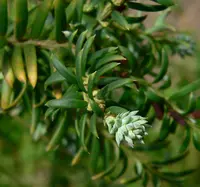
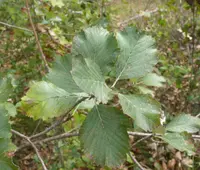
Aria danubialis is a deciduous tree in the rose family, related to rowans and whitebeams. It is typically small to medium-sized with a rounded crown and upright branches. Leaves are often oval with a pale underside and fine teeth along the edges, giving the canopy a softly textured look. The tree produces clusters of white spring flowers followed by small, berry-like fruits. It naturally occurs in parts of central and southeastern Europe, often on rocky slopes and limestone habitats. In gardens it is generally considered a hardy, low-maintenance species once established, though it prefers well-drained soil and exposure to good light. Understanding how to care for Aria danubialis mainly involves matching its preference for open, not overly wet sites.

Main Plant Requirements

Care Difficulty

Moderate Care

Light Preference

Partial Shade

Water Requirements

Moderate Water

Temperature Preference

Warm Climate

Hardiness Zone

Unknown

Soil Texture

Loamy

Soil pH

Slightly acidic (6.5–7.0)

Soil Drainage

Well-drained

Fertilization

Minimal (feed rarely)

Get Personalized Care Plan

Scan your plant to receive care tips personalized for your specific plant

Available on iOS and Android

How to Care for the Aria danubialis

This species prefers bright outdoor conditions with protection from harsh midday exposure.

  • Provide 4–6 hours of direct morning sun with light shade or filtered light from early afternoon onward to protect leaves from scorch.
  • Tolerates partial shade, but shoots may elongate and canopy thin if daily sun drops below about 3–4 hours, especially in dense plantings of Aria danubialis.
  • In summer, favor eastern or northeastern exposure; in winter, reduce shading so low-angle sun reaches the crown and inner branches for better bud formation.

This plant prefers evenly moist, well-drained soil that is allowed to dry slightly between waterings.

  • Before watering, check the soil; for in-ground plants, the top 3–5 cm should feel dry and crumbly rather than cool and wet at the fingertips.
  • Increase watering during active growth and hot, windy periods, but slow down in late fall and winter once leaf drop begins and soil stays moist longer.
  • Use soil rich in organic matter with good drainage; persistent wetness, leaf yellowing, and soft new shoots suggest overwatering, while dull, curling leaves indicate drought stress for Aria danubialis.

This hardy species manages a wide outdoor temperature range but reacts to sudden extremes.

  • Optimal growing temperatures are about 60–75°F (16–24°C) in spring and early summer, supporting steady shoot and root development.
  • Mature plants generally tolerate winter lows near 0°F (−18°C) if established, but young specimens benefit from mulch around the root zone in colder areas.
  • During heat above 86–90°F (30–32°C), provide soil moisture and some afternoon shade to limit stress, leaf scorch, and premature leaf drop.

This species prefers moderate humidity but usually adapts to typical indoor air.

  • Aim for 40–60% humidity to reduce leaf edge browning and tip scorch in Aria danubialis.
  • It tolerates short dry spells, but prolonged air below 30% can cause curling, crispy margins, and slow growth.
  • Increase humidity with a nearby open tray of water and stones, grouped plants, or a room humidifier rather than misting leaves.

This plant grows best in a loose, well-drained, moderately fertile substrate.

  • Use a loamy mix with 40–60% organic matter and added mineral components such as perlite or coarse sand for structure.
  • Ensure rapid drainage so water does not sit around the roots for more than a few minutes after watering.
  • Target a slightly acidic to neutral pH around 6.0–7.0 unless local guidance for Aria danubialis suggests otherwise.
  • Improve aeration by blending chunky bark or grit into dense mixes and avoid compacted, heavy clay or waterlogged sites.

This species is generally suitable for container growing when given adequate root volume and drainage control.

  • Choose a deep, wide container to accommodate its spreading root system and reduce stress during hot, dry spells.
  • Select a heavier pot material, such as thick terracotta or concrete, to stabilize taller top growth against wind.
  • Elevate the container slightly on pot feet or blocks so drainage holes stay clear and excess water exits quickly.

This species is typically adapted to low-nutrient soils, so fertilization for Aria danubialis should stay light and conservative.

  • Use a balanced, slow-release fertilizer (for example 10-10-10) or well-rotted compost in spring to support new growth.
  • Apply once at the start of the growing season for established plants; young container-grown plants may benefit from a second light feeding midsummer.
  • Use half-strength compared with label directions to avoid excessive, weak growth and potential root burn.
  • Avoid fertilizing in late fall and winter when growth is minimal or dormant.

Pruning Aria danubialis focuses on maintaining a stable framework and removing problem wood rather than heavy reshaping.

  • Carry out main pruning in late winter or very early spring before buds break, when structure is easy to see.
  • Remove dead, diseased, crossing, or inward-growing branches first to improve light penetration and airflow.
  • Shorten or thin crowded shoots to maintain a balanced crown while preserving the plant’s natural form.
  • Use clean, sharp bypass pruners or a pruning saw, making smooth cuts just outside the branch collar.

This species is usually grown in the ground; transplanting young Aria danubialis specimens is more common than long-term container culture.

  • Transplant in late fall or early spring when the plant is dormant and temperatures are cool but soil is workable.
  • Look for signs such as poor vigor, restricted root spread, or circling roots in nursery containers before shifting to a larger space.
  • Prepare a generous planting hole, tease out circling roots, and keep the root ball moist but not waterlogged during the process.
  • Water thoroughly after planting, apply a 5–8 cm mulch layer, and shade temporarily if needed to reduce transplant shock.

Propagation of Aria danubialis is usually done by seed, with vegetative methods used mainly in specialized settings.

  • Collect ripe seed in late summer to autumn and sow fresh, or cold-stratify for several months at 34–41°F to break dormancy.
  • Use a free-draining seed mix, keep evenly moist, and provide cool to mild temperatures with good light for germination.
  • Take semi-ripe cuttings in mid to late summer, using rooting hormone and high humidity under bright, indirect light.
  • Label batches, discard weak seedlings, and pot on only the strongest young plants once several true leaves have formed.

Mature plants are generally cold hardy in temperate climates and need only modest winter attention.

  • Young or newly transplanted trees benefit from a 5–8 cm mulch layer over the root zone, kept clear of the trunk.
  • In very cold or exposed sites, wrap the lower stem with a breathable tree guard to limit frost cracking and animal damage.
  • Container-grown specimens should be moved to a sheltered, unheated but frost-free or slightly protected area for winter.

Care Tips

Young tree staking

Stake young plants for the first 2–3 years using 1–2 flexible ties placed low on the trunk, and remove the stakes once the root system has anchored to avoid long‑term trunk constriction.

Canopy training

Select 3–5 well‑spaced primary branches in the early years and remove competing shoots with clean cuts in late winter to create a stable, open framework that supports fruiting and reduces wind damage.

Root zone mulching

Maintain a 5–8 cm thick ring of organic mulch over the root zone, keeping it 5–8 cm away from the trunk, to stabilize soil moisture, protect surface roots, and limit competition from turfgrass.

Fruit load management

If the plant sets heavily, thin developing fruits so they are spaced 10–15 cm apart along branches to reduce limb strain and encourage fewer but larger, better‑quality fruits when growing Aria danubialis.

Trunk and bark protection

Use a breathable tree guard or apply a light‑colored trunk wrap from late fall to early spring in cold, sunny climates to reduce sunscald and frost cracks on young, smooth bark.

Common Pests and Diseases

Pear rust

This disease causes bright orange spots on leaves and sometimes small swellings on the underside of the leaf. Symptoms include early leaf drop and reduced vigor, especially in years with humid spring weather.

Solution

Remove and discard infected leaves during the season and after leaf fall to reduce spore spread, and avoid overhead watering that keeps foliage wet. In areas with a history of rust, monitor nearby junipers that act as alternate hosts and consider removing heavily infected juniper plants; in severe, recurring cases, use a registered rust-control fungicide in early spring according to label directions.

Fire blight

This disease leads to sudden blackening and shriveling of blossoms, shoots, and young branches, giving them a scorched appearance. Symptoms include dieback from shoot tips and a characteristic shepherd’s crook bend in infected twigs.

Solution

Prune out infected shoots 20–30 cm below visible damage during dry weather, sterilizing pruning tools between each cut with alcohol or a 10% bleach solution. Avoid high-nitrogen fertilization and heavy spring pruning that stimulate soft, susceptible growth, and in high-risk areas follow local guidelines for blossom-time bactericide sprays if the disease is persistent.

Pear scab

This disease produces dark, velvety or corky spots on leaves and fruit, which may crack or deform as they grow. Symptoms include premature leaf drop and blemished fruit that store poorly.

Solution

Collect and remove fallen leaves in autumn to lower the amount of overwintering fungus, and improve airflow through regular structural pruning to help foliage dry quickly. In gardens with repeated scab issues, apply a suitable fungicide preventively from bud break through early leaf expansion, following local recommendations and product labels.

Pear leaf blister mite

This pest causes small, raised blisters on leaves that change from pale green to reddish or brown as the season progresses. This damage reduces photosynthesis and can make foliage appear distorted and speckled.

Solution

Prune and dispose of heavily affected twigs and leaves in winter and early spring to remove overwintering mites. For persistent infestations, use a dormant-season horticultural oil spray to smother mites in buds, and encourage natural predators by avoiding broad-spectrum insecticides during the growing season.

Aphids

These insects cluster on young shoots and leaf undersides, sucking sap and causing curling, distortion, and sticky honeydew that can lead to sooty mold. This pest can also weaken new growth and reduce flowering and fruit set.

Solution

Wash colonies off young shoots with a firm stream of water, repeating as needed, and prune out heavily infested soft tips where practical. Encourage beneficial insects such as lady beetles, and if populations remain high, use insecticidal soap or a light horticultural oil, making thorough contact with leaf undersides and tender growth as part of broader Aria danubialis care instructions.

Interesting Facts

Danube floodplain specialist

This wild service tree is native to floodplain and riverine forests along the middle and lower Danube, where it tolerates periodic flooding and alluvial soils better than many related Rosaceae trees.

Hybrid origin background

The species belongs to a complex group of Sorbus allies known for frequent natural hybridization and apomixis, meaning it likely has a reticulate evolutionary history involving past hybrid events and seed production without regular sexual recombination.

Conservation concern status

Aria danubialis has a relatively narrow distribution tied to Danube valley habitats, so habitat alteration, river regulation, and loss of natural floodplain forests are considered important conservation issues for its long‑term survival.

FAQs about Aria danubialis

Growth is generally moderate. Young plants establish slowly while root systems develop, then extension growth increases. Under suitable conditions, expect noticeable annual shoot extension, but not the rapid growth seen in many vigorous ornamental shrubs or pioneer tree species.

Grow Healthy Plants with Botan Care

Keep your plants happy and healthy with plant identification, disease detection, and easy care guidance.

Botan plant care app — identify plants on mobile

Explore More Plants