West Indian balsa Care (Ochroma pyramidale)

Also known as: Balsa Tree
West Indian balsa

About West Indian balsa

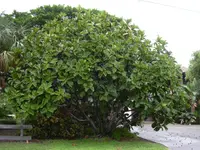
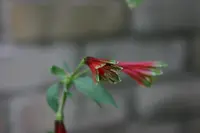
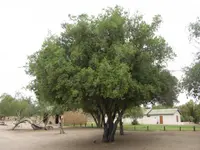
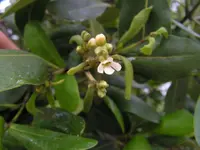
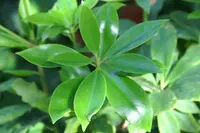
West Indian balsa, Ochroma pyramidale, is a very fast-growing tropical tree known for its extremely light, soft wood. It develops a straight trunk, an open, airy crown, and large, heart-shaped leaves that create light shade rather than deep darkness.

This species is native to tropical regions of the Americas, especially lowland rainforest and disturbed sites, where it quickly colonizes open, sunny areas. Its rapid growth and preference for warmth and moisture mean it is not a typical houseplant, but understanding how to care for West Indian balsa can help in suitable outdoor or greenhouse settings.

It generally prefers bright light, consistent moisture with good drainage, and fertile, well-aerated soil, while being sensitive to frost and prolonged cold conditions.

Main Plant Requirements

Care Difficulty

Moderate Care

Light Preference

Full Sun

Water Requirements

Regular Water

Temperature Preference

Tropical / Frost Sensitive

Hardiness Zone

11–12

Soil Texture

Sandy, Loamy, Organic-rich

Soil pH

Acidic (5.5–6.5), Slightly acidic (6.5–7.0)

Soil Drainage

Moist but well-drained

Fertilization

Minimal (feed rarely)

Get Personalized Care Plan

Scan your plant to receive care tips personalized for your specific plant

Available on iOS and Android

How to Care for the West Indian balsa

Ochroma pyramidale requires strong light to fuel its very fast growth.

  • Provide full sun for at least 6–8 hours per day; young trees benefit from gentle morning sun plus bright light for the rest of the day.
  • West Indian balsa tolerates light partial shade, but growth and trunk development slow if daily sun drops below about 4–5 hours.
  • In very hot, dry climates, protect young trees from intense mid-afternoon sun to reduce leaf scorch and moisture stress, especially in their first 1–2 years.

Ochroma pyramidale needs consistent moisture while avoiding waterlogged soil.

  • Irrigate when the top 3–5 cm of soil feels dry, aiming for deep soaking rather than frequent shallow watering to encourage strong root development.
  • During the first 2–3 years, increase watering in hot, dry spells and reduce it in cool or rainy seasons, always allowing free drainage.
  • Watch leaves: yellowing and limp foliage with wet soil often indicates overwatering, while dull, curling, or browning edges with dry soil suggest underwatering.

This fast-growing tropical tree prefers warm, frost-free conditions throughout the year.

  • Best growth occurs around 75–90°F (24–32°C), with steady warmth and good soil moisture supporting rapid height and trunk expansion.
  • Growth slows noticeably below about 65°F (18°C) and the tree is damaged or killed near 32°F (0°C), so frost exposure should be avoided.
  • Mature trees cope with short periods up to about 95–100°F (35–38°C) if soil moisture is adequate, but young plants are more heat-sensitive and may scorch or wilt.

This fast-growing tropical tree prefers moderate humidity but adapts to a range of indoor conditions.

  • Aim for 50–60% humidity to support steady foliage and stem growth.
  • Tolerates brief dips to 30–40%, but prolonged dry air may slow growth and cause leaf edge browning or curling.
  • Increase humidity with grouped plants or a nearby humidifier rather than misting, which adds only short-lived surface moisture.

Ochroma pyramidale needs loose, deep, well-drained soil that still retains moderate moisture.

  • Use a loamy mix with high organic matter, such as 50% composted bark or compost, 30% coarse sand, and 20% perlite for structure and aeration.
  • Ensure rapid drainage; water should pass through the root zone within seconds, not pool on the surface or in the saucer.
  • Keep pH slightly acidic to neutral, around 6.0–7.0, which supports nutrient availability and root health.
  • Avoid heavy clay, compacted ground, or waterlogged sites; incorporate coarse sand and perlite into raised planting areas if native soil drains slowly.

This species is only moderately suitable for container growing and usually stays in pots for short-term or juvenile stages.

  • Choose a very large, heavy container to prevent tipping, as the plant becomes tall and top-heavy quickly.
  • Select a deep pot that allows a developing taproot to extend, reducing stress and wind instability.
  • Use a rigid, non-flexing container material so the expanding root system does not deform or crack thin plastic walls.

Ochroma pyramidale grows fast and benefits from moderate, balanced nutrition in cultivation.

  • Use a balanced NPK fertilizer or well-rotted compost for young trees in active growth.
  • Feed every 4–6 weeks during the warm growing season if soil is poor or plants are container-grown.
  • Dilute liquid fertilizer to 1/2 strength to avoid excessive, weak growth and salt buildup.
  • Reduce or stop feeding in cooler months when growth slows, especially for West Indian balsa in marginal climates.

Ochroma pyramidale responds well to light structural pruning in managed landscapes.

  • Carry out main pruning at the end of the dry or cool season, just before vigorous growth resumes.
  • Remove dead, storm-damaged, crossing, or overcrowded branches to improve canopy structure and safety.
  • Use clean, sharp loppers or a pruning saw, making smooth cuts just outside the branch collar.
  • Limit heavy topping; instead, guide form by shortening competing leaders to maintain a single strong trunk.

This fast-growing tree is usually started in containers, then transplanted to the ground when still young.

  • Look for roots circling the pot drainage holes, slow growth, or plants toppling as signs it has outgrown the container.
  • Transplant Ochroma pyramidale at the start of the warm, wet season to support rapid root establishment.
  • Shift seedlings from small cells to larger bags or pots once roots lightly fill the medium, usually after a few months.
  • Water deeply before and after transplanting, reduce wind exposure, and shade lightly for 1–2 weeks to limit root stress.

New Ochroma pyramidale plants are most often raised from seed for forestry or restoration use.

  • Collect ripe, dry fruits and clean seeds, discarding any that look shriveled or damaged.
  • Sow seeds in a free-draining, sterile mix at the start of the warm, wet season for best germination.
  • Maintain warmth around 75–85°F, consistent moisture, and bright indirect light to support rapid sprouting.
  • Thin or prick out seedlings once true leaves appear, handling by the leaves to avoid injuring the soft stems.

This tropical tree is frost-sensitive and needs careful winter management outside warm climates.

  • In USDA zones below roughly 10, grow in large containers so plants can be moved indoors or to a heated greenhouse.
  • Keep winter temperatures above 55°F and avoid cold drafts to prevent stem dieback.
  • Apply a 5–8 cm mulch layer over the root zone in borderline climates to buffer brief cool spells.
  • Do not water heavily in cool conditions; allow the top layer of soil to dry slightly between waterings.

Care Tips

Stake Early Trunks

Install sturdy stakes or a temporary support frame while the tree is young, as the very fast, soft trunk growth is prone to snapping in strong wind if not guided upright.

Windbreak Planning

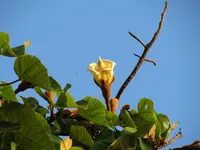
Plant West Indian balsa behind a permanent windbreak such as taller shrubs, a building, or a fence, since reducing prevailing winds greatly lowers the risk of trunk breakage and root rock in storms.

Protect Shallow Roots

Keep a wide mulch ring and avoid driving machinery or repeatedly walking over the root zone because the tree forms shallow, spreading roots that compacted soil can easily damage.

Manage Volunteer Seedlings

Check surrounding beds and paths regularly for volunteer seedlings and remove them while small, as the light, wind-dispersed seed can quickly create unwanted saplings around the original tree.

Plan For Short Lifespan

Treat plantings as relatively short-lived and plan succession trees nearby, because mature individuals often decline after a few decades and pre-planning makes Ochroma pyramidale care easier at replacement time.

Common Pests and Diseases

Shoot borers

This pest tunnels into young shoots and stems, causing wilting, dieback, and deformed growth on fast-growing balsa trees.

Solution

Prune and destroy infested shoots as soon as wilting or small entry holes are seen, then encourage strong regrowth with balanced fertilization and regular watering; in plantation or outdoor settings, monitor with pheromone or light traps and, where allowed, use targeted systemic insecticides during peak borer activity to protect new flushes of growth.

Leaf-chewing caterpillars

These insects feed heavily on tender foliage, creating ragged leaves and sometimes near-complete defoliation of young trees.

Solution

Hand-pick caterpillars where practical and remove heavily infested leaves, attract or conserve natural predators such as birds and beneficial wasps, and, if damage is severe, apply a biological product containing Bacillus thuringiensis (Bt) to young leaves according to label directions.

Leaf spot

This disease produces brown or black spots with possible yellow halos on leaves, which can merge into larger dead patches under warm, humid conditions.

Solution

Remove and dispose of affected leaves, avoid overhead watering, improve airflow around the canopy, and in persistent outdoor cases use a copper-based or other registered fungicide as a protective spray during wet, warm periods.

Powdery mildew

This disease appears as white, powdery patches on young leaves and shoots, which can lead to distorted growth and reduced vigor in dense plantings.

Solution

Increase air circulation by proper spacing and pruning of crowded branches, avoid unnecessary nitrogen-heavy fertilization that encourages soft new growth, and treat early infections with a sulfur-based or potassium bicarbonate fungicide if environmental conditions remain favorable for the disease.

Termite attack

These insects can invade the light, porous wood of balsa, hollowing stems or trunks and weakening structural integrity, especially in outdoor or plantation situations.

Solution

Regularly inspect stems and trunk bases for mud tubes or hollow sounds, remove and destroy severely infested material, and in ground-planted trees use physical barriers or bait systems; in construction or harvested wood, apply approved wood preservatives and keep material dry and off bare soil to reduce termite risk when growing West Indian balsa in warm regions.

Interesting Facts

World’s lightest timber

The wood of Ochroma pyramidale, commercially known as balsa, has extremely low density due to large, thin-walled cells, making it one of the lightest commercial timbers while still providing good compressive strength.

Pioneer rainforest tree

This species is a classic pioneer tree in Neotropical forests, rapidly colonizing disturbed sites such as landslides and abandoned fields and creating shade that allows slower-growing, shade-tolerant trees to establish beneath its canopy.

Key material in engineering

Because of its high stiffness-to-weight ratio, balsa wood from O. pyramidale is widely used as a core material in composite structures, including wind turbine blades, marine hulls, model aircraft, and various aerospace applications.

Botan icon

Did you know?

During World War II, Ochroma pyramidale wood was strategically important as a lightweight structural material for life rafts, gliders, and other military equipment, leading to organized harvests and plantations in Latin America to meet Allied demand.

FAQs about West Indian balsa

This species is extremely fast-growing, often adding 3–5 m per year in suitable tropical or subtropical conditions. Growth is quickest in deep, fertile, moist but well-drained soil with consistent warmth and no prolonged drought or flooding.

Grow Healthy Plants with Botan Care

Keep your plants happy and healthy with plant identification, disease detection, and easy care guidance.

Botan plant care app — identify plants on mobile

Explore More Plants