Pohutukawa Care (Metrosideros excelsa)

Also known as: New Zealand Christmas Tree, Variegata, New Zealand Bottlebrush
Pohutukawa

About Pohutukawa

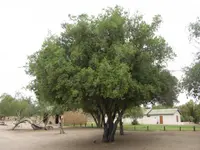
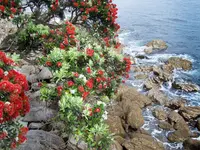
Pohutukawa, Metrosideros excelsa, is an evergreen coastal tree native to New Zealand, valued for its dense canopy and showy red brush-like flowers. In suitable climates it can form a spreading, wind-tolerant tree, with gnarled branches and tough, gray-green leaves that handle salt spray and poor soils well.

It is best suited to mild, frost-free areas and is often used in coastal gardens, public parks, and larger residential spaces. For those wanting to care for Pohutukawa in gardens, it generally prefers full sun, good air movement, and well-drained soil with moderate moisture.

Main Plant Requirements

Care Difficulty

Moderate Care

Light Preference

Full Sun

Water Requirements

Moderate Water

Temperature Preference

Warm Climate

Hardiness Zone

9–11

Soil Texture

Sandy, Loamy, Rocky

Soil pH

Slightly acidic (6.5–7.0), Neutral (7.0)

Soil Drainage

Well-drained

Fertilization

Minimal (feed rarely)

Get Personalized Care Plan

Scan your plant to receive care tips personalized for your specific plant

Available on iOS and Android

How to Care for the Pohutukawa

Metrosideros excelsa needs strong light to flower and stay compact.

  • Provide 6–8 hours of direct sun daily; coastal sites with full sun and wind exposure suit Pohutukawa well.
  • Plant in a spot with morning to early afternoon sun; light afternoon shade helps inland plants avoid leaf scorch during intense summer heat.
  • In light shade, flowering and density drop; avoid deep shade and trim nearby plants if lower branches elongate or foliage becomes sparse.

Metrosideros excelsa prefers evenly moist, sharply drained soil once established.

  • Water newly planted trees when the top 3–5 cm of soil feels dry, then soak the root zone deeply and allow excess to drain away.
  • Reduce watering frequency once established; in most climates, rely mainly on rainfall and add water only during extended dry spells when leaves begin to dull or slightly curl.
  • Ensure sandy or well-drained soil; yellowing leaves, soft new growth, and sour-smelling soil indicate overwatering, while crispy leaf edges signal drought stress.

This coastal tree prefers mild, frost-free climates with moderate year-round temperatures.

  • Aim for 60–75°F (16–24°C) for best growth, with slightly cooler nights helping to maintain a compact form.
  • Established trees tolerate brief drops to about 25°F (-4°C), but young plants are easily damaged below 30°F (-1°C) and benefit from frost cloth or sheltered planting sites.
  • Heat-tolerant up to about 95°F (35°C) if soil is not waterlogged; during hot, dry spells, mulch the root zone to stabilize soil temperatures and reduce stress.

This coastal species handles a wide humidity range but prefers moderately dry air.

  • Aim for 40–60% humidity; Pohutukawa tolerates brief dips lower but not constantly saturated air.
  • Brown leaf tips with otherwise moist soil suggest air is too dry, while limp, spotty leaves often reflect excess humidity plus poor airflow.
  • Increase humidity slightly with nearby water trays or grouped plants, but prioritize strong air movement over misting.

Metrosideros excelsa prefers sharply drained, lean to moderately fertile soil.

  • Use a sandy or sandy-loam mix with 30–50% mineral grit such as coarse sand or small pumice to mimic coastal conditions.
  • Ensure rapid drainage by combining general-purpose potting mix with bark fines and perlite, avoiding peat-heavy, water-retentive blends.
  • Target a slightly acidic to neutral pH around 6.0–7.0; avoid strongly alkaline media that can limit micronutrient uptake.
  • Improve aeration by using chunky components and never compacting the mix, as oxygen-poor, soggy soil quickly leads to root decline.

This species can be grown in containers if the pot is managed for stability and fast drainage.

  • Choose a wide, heavy container to counterbalance woody, wind-catching growth and reduce tipping risk outdoors.
  • Select a pot depth that allows a broad, spreading root system rather than a very tall, narrow column of soil that stays wet at the base.
  • Use breathable materials like unglazed clay in wet climates to speed evaporation, but monitor watering more closely in hot, dry regions.

Metrosideros excelsa grows well in modest soils but responds to light, targeted feeding in containers or poor ground conditions.

  • Use a balanced slow-release fertilizer (around 10-10-10) or well-rotted compost at the start of spring for caring for Pohutukawa.
  • Feed container plants every 6–8 weeks in spring and summer; ground-grown trees usually need only 1–2 light applications per year.
  • Apply fertilizers at half the label strength for potted plants to prevent salt buildup and root burn.
  • Stop feeding in late summer so new growth hardens before cooler weather and avoid fertilizing in winter.

Thoughtful pruning helps Metrosideros excelsa maintain a strong framework and good flowering.

  • Carry out main pruning in late winter to early spring, before vigorous growth begins.
  • First remove dead, diseased, crossing, or storm-damaged branches using clean, sharp bypass pruners or a pruning saw.
  • Thin congested interior shoots to improve light penetration and airflow, which supports healthy foliage and flowers.
  • Shorten long or uneven branches to shape the canopy, keeping cuts just above a healthy outward-facing bud or side shoot.

This coastal tree is usually grown in the ground; focus on careful transplanting or infrequent pot ups for young container plants.

  • Transplant or up-pot in late winter to early spring when growth is about to start and stress is lowest.
  • Look for roots circling the pot, slow growth, or quick drying soil as signals a container plant needs a larger home every 2–3 years.
  • Move only 1 pot size up, gently loosening circling roots without tearing the root ball, and set at the same soil depth.
  • Water thoroughly after planting, then keep soil evenly moist and shaded from harsh sun for 1–2 weeks to reduce transplant shock.

Metrosideros excelsa is most reliably propagated from semi-hardwood cuttings under controlled conditions.

  • Take 7–10 cm semi-hardwood tip cuttings in late summer with several leaf nodes and remove lower leaves.
  • Dip the cut base in a rooting hormone to encourage root initiation, then insert into a free-draining mix of coarse sand and perlite or similar.
  • Provide bright, indirect light, high humidity, and bottom heat around 70–75°F, keeping the medium just slightly moist.
  • Sow fresh seed in spring on the surface of a fine, well-drained mix, keeping it lightly moist and warm until germination.

This species prefers mild, frost-free climates and needs protection in colder regions, especially in containers.

  • Mature trees tolerate brief light frosts, but young plants and potted specimens are more sensitive to freezing temperatures.
  • Apply a 5–8 cm layer of organic mulch around the root zone in late fall, keeping it clear of the trunk to limit rot.
  • Move container plants into a bright, cool, frost-free space before temperatures drop near freezing.
  • In exposed sites, use breathable fabric to shield young plants from cold, drying winds during severe cold spells.

Care Tips

Salt‑tolerant placement

If the garden is coastal, position plants where they receive sea breezes but are shielded from direct sand-blast by a fence or shrubs, since foliage tolerates salt but young bark can be abraded by wind-driven grit.

Wind-shaping training

In windy sites, lightly stake young trees and gradually loosen ties over 1–2 years while selectively pruning only badly crossing or wind-thrashed shoots, which encourages a stable, low, wind-hardened framework rather than a tall, top-heavy canopy.

Root-zone protection

Keep the area under the canopy free of heavy foot traffic and avoid deep cultivation, because surface feeder roots are easily damaged; instead, apply a light mineral mulch or gravel that protects roots while allowing good air and water movement.

Firewise canopy management

In fire-prone regions, periodically thin out dense interior branches and remove dead wood before summer, reducing fine fuel load while preserving the characteristic broad crown.

Container growth control

For container specimens, lightly root-prune and refresh the outer 3–5 cm of substrate every 2–3 years instead of simply upsizing the pot, which helps control size, maintain vigor, and supports long-term Metrosideros excelsa care on patios or balconies.

Common Pests and Diseases

Myrtle rust

This disease causes bright yellow powdery spores on young leaves, shoots, and flower buds, often leading to leaf distortion and dieback. Symptoms include yellow spots that later darken and may cause premature leaf drop.

Solution

Remove and safely dispose of affected shoots and leaves without composting, then improve air circulation around the plant and avoid overhead watering. In regions where myrtle rust is established, follow local biosecurity advice and, if allowed, use a registered systemic fungicide labeled for rusts, applied according to label directions and timed to protect new growth.

Scale insects

These insects attach to stems and leaf undersides as small bumps, sucking sap and weakening growth while excreting sticky honeydew. Symptoms include sooty mold on leaves, sticky residue, and reduced vigor.

Solution

Physically remove light infestations by gently scraping or wiping with a cloth dipped in soapy water or isopropyl alcohol, then rinse foliage. For heavier infestations, apply a horticultural oil or insecticidal soap to thoroughly coat stems and leaf undersides, repeating at 7–14 day intervals until new growth appears clean.

Pohutukawa leaf miner

This pest creates pale, winding tunnels inside leaves that can cause browning and premature leaf drop on young or stressed trees. Damage is most visible as thin, serpentine trails across the leaf surface.

Solution

Prune and dispose of heavily damaged leaves before adults emerge, and keep the plant well watered and mulched to reduce stress. In high-pressure areas, a systemic insecticide labeled for leaf miners may be used on smaller ornamental trees, applied strictly following label directions and local regulations.

Soft scale (sooty mold complex)

This pest group feeds on sap and excretes honeydew, which encourages black sooty mold growth on leaves and stems. Symptoms include blackened foliage and reduced photosynthesis, often making the plant look dull and dirty.

Solution

Wash leaves with a gentle spray of water to remove honeydew and mold, then treat the underlying soft scale using horticultural oil or insecticidal soap, ensuring thorough coverage of stems and the undersides of leaves. Repeat treatments through the season as needed and monitor new growth to confirm scale numbers are declining, which supports long-term Metrosideros excelsa care.

Armillaria root disease

This disease is caused by a soil-borne fungus that attacks roots and lower stems, leading to gradual decline, yellowing foliage, and branch dieback. Symptoms include poor new growth, sudden wilting in dry or hot periods, and sometimes white fungal fans under bark near the base.

Solution

Remove and destroy severely affected plants, including as much root material as possible, and avoid replanting susceptible Myrtaceae in the same spot. Improve site drainage, avoid overwatering and soil compaction, and favor planting in well-aerated soil or raised beds to limit future infection risk when growing Pohutukawa.

Interesting Facts

Iconic coastal pioneer

This species naturally colonizes young coastal rock and sand habitats in New Zealand, stabilizing cliffs and shorelines with an extensive root system tolerant of wind, salt spray, and poor, shallow soils.

Specialist bird pollination

Its dense clusters of red brush-like flowers are rich in nectar and are primarily pollinated by native New Zealand birds such as tui and bellbird, which transfer pollen on their heads and faces as they feed.

Complex aerial root system

Older trees often develop woody aerial roots that grow down from branches toward the ground, adding structural support and helping the tree withstand coastal storms and strong winds.

Botan icon

Did you know?

The pohutukawa is widely known as the New Zealand Christmas tree because its peak flowering period with bright red blossoms typically coincides with late December in its native range, making it a prominent seasonal symbol across the country.

FAQs about Pohutukawa

Lack of flowers usually comes from insufficient light, heavy pruning of young shoots, or nutrient imbalance from high-nitrogen fertilizer. Older trees flower more reliably; younger ones may take several years to bloom consistently.

Grow Healthy Plants with Botan Care

Keep your plants happy and healthy with plant identification, disease detection, and easy care guidance.

Botan plant care app — identify plants on mobile

Explore More Plants