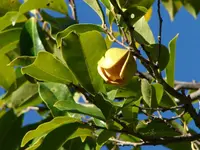
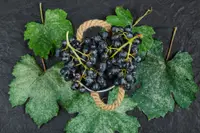
Amur grape Care (Vitis amurensis)

Amur grape

About Amur grape

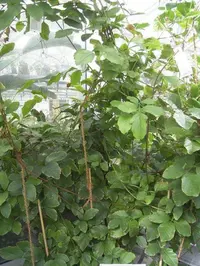
Amur grape, Vitis amurensis, is a hardy, deciduous climbing vine valued for its vigorous growth and attractive foliage. It often develops red or purple autumn color and can form a dense screen on trellises, fences, or pergolas.

This species is native to the Amur River region of Russia, northeastern China, and Korea, where it endures cold winters and varied soils. Its strong cold tolerance and general disease resistance make it easier to grow than many cultivated grapes.

It prefers full sun to light shade, moderately moist, well-drained soil, and enough space for its climbing habit. Once established, understanding how to care for Amur grape focuses mainly on pruning and support rather than complex maintenance needs.

Main Plant Requirements

Care Difficulty

Moderate Care

Light Preference

Full Sun

Water Requirements

Moderate Water

Temperature Preference

Cold Hardy

Hardiness Zone

3–7

Soil Texture

Loamy, Sandy, Clay

Soil pH

Acidic (5.5–6.5), Slightly acidic (6.5–7.0)

Soil Drainage

Moist but well-drained

Fertilization

Minimal (feed rarely)

Get Personalized Care Plan

Scan your plant to receive care tips personalized for your specific plant

Available on iOS and Android

How to Care for the Amur grape

This hardy vine prefers generous light but adapts to cooler, variable conditions.

  • Provide 6–8 hours of sun daily; in hot regions, give Amur grape morning sun with light afternoon shade to reduce leaf scorch.
  • Tolerates partial shade (about 3–4 hours direct sun), but fruiting and autumn color improve with more light.
  • In late winter, avoid deep shade from structures or evergreens; position trellises to capture rising spring sun as days lengthen.

This species prefers evenly moist, well-drained soil rather than constant saturation.

  • Before watering, let the top 3–5 cm of soil dry; moist deeper layers support the deep roots typical of Vitis amurensis in the ground.
  • Increase watering during active growth and hot, dry periods, watching for soft, drooping leaves as an early sign of thirst.
  • Ensure soil drains freely; persistent wetness, yellowing leaves, and dieback of young shoots indicate overwatering and potential root problems.

This cold-hardy grape tolerates low temperatures yet grows best in moderate warmth.

  • Optimal growing temperatures are around 65–80°F (18–27°C) during the main growing season for steady shoot and fruit development.
  • Fully dormant vines can tolerate lows near -30°F (-34°C), but young plants benefit from mulch around the root zone in winter.
  • During heat waves above 90°F (32°C), provide soil moisture and light shade to reduce heat stress and leaf scorch on exposed vines.

Humidity is rarely critical for Amur grape, which adapts well to typical outdoor air levels in temperate regions.

Vitis amurensis prefers deep, well-structured soil that stays evenly moist yet drains freely.

  • Use loamy soil with a mix of mineral particles and organic matter to support both moisture retention and root aeration.
  • In heavy clay, incorporate coarse sand and compost to improve drainage and prevent waterlogging around the root zone.
  • Aim for slightly acidic to neutral pH around 6.0–7.0, avoiding very alkaline sites that can reduce nutrient availability.
  • Avoid compacted or permanently soggy soil and consider raised beds or mounded rows where natural drainage is poor.

This species can be grown in large containers if the pot provides stable support and adequate root volume for its vigorous growth.

  • Choose a tall, heavy container that resists tipping as vines lengthen and load trellises or supports.
  • Select a pot volume of at least 40–60 L so roots can spread deeply, reducing drought stress between waterings.
  • Use a thick-walled or insulated container material in hot climates to limit root overheating on exposed patios or balconies.

Nutrient inputs support strong growth and fruiting in Vitis amurensis, especially on poorer soils.

  • Use a balanced granular fertilizer (such as 10-10-10) or well-rotted compost at the start of spring growth.
  • Feed every 4–6 weeks through the main growing season, stopping by late summer to avoid soft late growth.
  • Apply at half to three-quarter label strength, keeping fertilizer off stems and foliage, then water in thoroughly.
  • Skip or greatly reduce feeding during winter dormancy, relying only on existing soil nutrients.

Pruning Vitis amurensis manages vigor, improves fruit quality, and keeps the vine within its support space.

  • Carry out main pruning in late winter when the plant is fully dormant and buds are still tight.
  • Remove dead, damaged, rubbing, or very weak canes first, using clean, sharp bypass pruners or loppers.
  • Thin congested shoots to open the canopy, improve air flow, and increase light penetration to fruiting wood.
  • Shorten remaining canes to a stable framework, guiding new growth along wires, trellis, or arbor for shape.

This vigorous vine is usually grown in the ground, so care focuses on correct transplanting rather than frequent repotting.

  • Transplant young Vitis amurensis in early spring or fall when temperatures are mild and soil is workable.
  • Choose a spot with strong support and well-drained soil; avoid moving established vines unless growth is very poor.
  • For container plants, shift to a larger pot when roots circle the sides or growth slows despite good care.
  • Reduce root stress by watering well before and after planting, handling the root ball gently, and mulching the root zone.

New Vitis amurensis plants are most often produced from vegetative material rather than seed for reliable traits.

  • Take hardwood cuttings in late winter or semi-ripe cuttings in summer, each with 3–4 nodes.
  • Insert cuttings into a free-draining medium, keep evenly moist, and maintain 65–75°F for faster rooting.
  • Use simple layering in spring by pegging a flexible stem to the soil until roots form, then detach.
  • Sow seeds only after cold stratification, providing bright light and consistent moisture for germination.

This vine is notably cold hardy, so winter care is minimal in most temperate climates.

  • In very cold areas, apply a 5–8 cm mulch over the root zone to moderate soil temperature fluctuations.
  • Avoid heavy pruning in late fall, as this can stimulate tender growth that is more vulnerable to freezing.
  • For container-grown vines, move pots into an unheated garage or sheltered area to limit root freeze–thaw cycles.

Care Tips

Use sturdy supports

Install a strong wire trellis or tensioned cable system before planting so the vine can be tied in with soft ties as it grows, preventing wind damage and messy, tangled growth later.

Summer shoot thinning

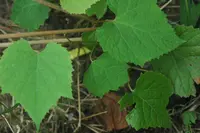
In early summer, remove weak, crossing, or excess shoots while still soft so that remaining canes receive better light and air, which reduces fungal issues common when growing Amur grape in humid regions.

Leaf and fruit sanitation

Collect and dispose of fallen leaves and mummified berries in autumn to lower overwintering fungal spores and insect populations that can otherwise reinfect the vine the following season.

Winter cane protection

In colder zones, lay 1–2 main canes along the ground and cover them with 10–15 cm of loose mulch after leaf drop to protect buds from extreme freezes, then uncover and lift them back onto the support in early spring.

Targeted bird exclusion

Net only the fruiting zone with fine, tensioned bird netting just before berries start to color, leaving the rest of the vine uncovered so the plant still receives good airflow and easy access for maintenance.

Common Pests and Diseases

Downy mildew

This disease causes yellow, oil-like spots on upper leaf surfaces with gray-white fuzz underneath, especially in cool, wet weather. Symptoms include leaf curling, browning, and premature leaf drop, which can weaken vines and reduce fruit quality.

Solution

Remove and discard affected leaves and fallen debris to lower spore levels, and keep foliage dry by watering at the soil level and improving airflow with regular pruning. In climates with frequent spring rain, apply a preventive copper-based or phosphonate fungicide according to label directions as part of broader Vitis amurensis care instructions.

Anthracnose

This disease creates sunken, dark lesions on young shoots, leaves, and berries, often with a gray or whitish center. Symptoms include cracked, deformed shoots and fruit that shrivels or drops early.

Solution

Prune out and destroy infected shoots and mummified berries during dry weather, and avoid overhead irrigation to reduce leaf wetness. Where anthracnose is common, use a registered fungicide at budbreak and early shoot growth stages, combined with regular canopy thinning to improve light and air penetration.

Pierce’s disease

This disease, spread by xylem-feeding leafhoppers, blocks water transport and leads to marginal leaf scorch, irregular yellowing, and gradual dieback of canes. Symptoms include stunted growth, shriveled berries, and eventual vine death in warm regions where the vector is established.

Solution

Remove and destroy severely affected vines to reduce the source of infection, and control nearby weedy hosts that shelter leafhoppers. In affected areas, use physical barriers such as insect mesh on young vines, maintain good irrigation and nutrition to reduce stress, and select planting sites away from waterways and wild grape stands when possible.

Grape berry moth

This pest is a small moth whose larvae tunnel into flower clusters and berries, causing webbing, browning, and premature fruit drop. These insects also create entry points for rot diseases in damaged berries.

Solution

Collect and destroy infested clusters and dropped berries during the season to break the life cycle, and prune for an open canopy so clusters dry quickly. In regions with known pressure, monitor with pheromone traps and time targeted applications of Bacillus thuringiensis (Bt) or other labeled products to early larval stages, following local extension guidance.

Phylloxera

This pest is a tiny aphid-like insect that feeds on roots and sometimes leaves, causing galls, poor vigor, and gradual decline in susceptible vines. Symptoms include reduced shoot growth, small leaves, and increased sensitivity to drought and nutrient stress.

Solution

Plant vines on phylloxera-resistant rootstocks where the pest is present, since chemical control in soil is rarely practical for home growers. Remove and destroy heavily gall-infested root fragments when replanting, avoid moving contaminated soil between sites, and maintain balanced soil moisture and nutrition to help existing vines tolerate damage.

Interesting Facts

Exceptional cold hardiness

This grape species can survive winter temperatures below −30°C, making it one of the most cold-tolerant Vitis species and a key parent in breeding hardy wine and table grapes for cold climates.

High disease resistance

Vitis amurensis shows notable resistance to common grapevine diseases such as downy mildew (Plasmopara viticola) and powdery mildew (Erysiphe necator), so breeders often use it to introduce resilience into Vitis vinifera cultivars.

Distinct leaf and autumn color

Its large, often 3-lobed leaves turn intense red to purple in autumn, which makes this species valued not only for fruit production but also as an ornamental climber in temperate gardens.

Botan icon

Did you know?

Genetic studies show that Vitis amurensis represents an independent East Asian lineage within the grape genus, distinct from the main European wine grape Vitis vinifera and North American wild grape species, so it broadens the genetic base available for modern grape breeding.

FAQs about Amur grape

This species is considered vigorous, often extending 1–2 m per year once established under suitable conditions. Growth slows in poor soil, deep shade, or drought. Regular pruning helps manage size without harming the vine.

Grow Healthy Plants with Botan Care

Keep your plants happy and healthy with plant identification, disease detection, and easy care guidance.

Botan plant care app — identify plants on mobile

Explore More Plants