Amphilophium crucigerum Care

Amphilophium crucigerum

About Amphilophium crucigerum

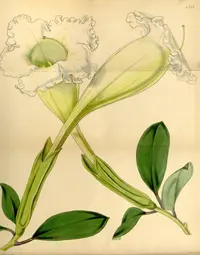
Amphilophium crucigerum is a vigorous, woody climbing vine in the bignonia family, grown mainly for its ornamental value. It develops long, twining stems that cling to supports and can quickly cover fences, trellises, or arbors.

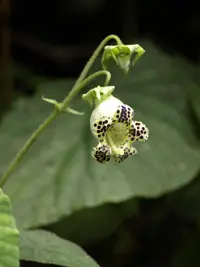
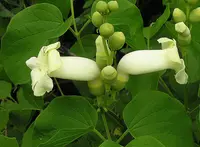
The foliage is typically evergreen to semi-evergreen in mild climates, with paired leaves that give the plant a lush, dense look. In suitable conditions it produces tubular, trumpet-like flowers that attract pollinators and add seasonal interest.

This species is native to Central and South America, where it grows in warm, relatively humid environments. It is generally considered a robust, fast grower, but gardeners need space and sturdy support to care for Amphilophium crucigerum successfully, ideally in a sunny to lightly shaded spot with well-drained soil.

Main Plant Requirements

Care Difficulty

Moderate Care

Light Preference

Full Sun

Water Requirements

Moderate Water

Temperature Preference

Tropical / Frost Sensitive

Hardiness Zone

10–11

Soil Texture

Sandy, Loamy, Organic-rich

Soil pH

Acidic (5.5–6.5), Slightly acidic (6.5–7.0)

Soil Drainage

Moist but well-drained

Fertilization

Light (every 4–6 weeks)

Get Personalized Care Plan

Scan your plant to receive care tips personalized for your specific plant

Available on iOS and Android

How to Care for the Amphilophium crucigerum

This vigorous climber needs bright, sustained light to flower and grow strongly.

  • Provide 6–8 hours of sun daily, ideally with morning sun and light afternoon shade, especially in hotter regions.
  • Tolerates light or partial shade (around 3–4 hours of direct sun), but flowering and vigor decline in deeper shade.
  • In summer, strong afternoon sun can scorch leaves; in winter, choose the brightest, least-obstructed spot to compensate for shorter days.

This plant prefers evenly moist, well-drained soil rather than extremes of wet or dry.

  • Water when the top 3–5 cm of soil feels dry, allowing moisture to reach the deeper root zone without creating soggy conditions.
  • Increase watering during warm, active growth when leaves are firm and turgid; reduce frequency in cooler months as growth slows.
  • Yellowing, soft leaves and persistent wet soil indicate overwatering, while limp, curling leaves and brittle tendrils suggest the vine needs water.

This subtropical vine thrives in warm, frost-free conditions with only moderate temperature swings.

  • Ideal growth occurs around 65–80°F (18–27°C), with consistent warmth supporting strong vines and flowering.
  • Tolerates brief dips to about 40°F (4°C) but suffers damage near freezing; avoid any frost exposure to protect stems and foliage.
  • Handles summer heat up to about 90–95°F (32–35°C) if soil moisture is adequate and roots are mulched, while cooler seasons slow growth without true dormancy in mild climates.

This vigorous climber prefers moderate humidity and handles typical outdoor air in mild climates.

  • Aim for 40–60% humidity, which is usually met outdoors or in bright, ventilated spaces.
  • Leaves curling at edges, browning tips, or stalled new growth can indicate air that is too dry for extended periods.
  • Increase humidity by grouping plants, using a nearby tray with water and stones, or lightly misting foliage in hot, very dry weather.

This species grows best in well-structured, freely draining soil that still holds moderate moisture.

  • Use a loose loam or sandy loam enriched with organic matter so roots can penetrate easily without becoming waterlogged.
  • A mix of roughly 50% composted organic material, 25% coarse sand, and 25% perlite or fine bark gives both drainage and aeration.
  • Slightly acidic to neutral pH (6.0–7.0) is suitable; avoid highly alkaline soils that can limit nutrient availability.
  • Avoid heavy, compacted clay or spots where water stands after rain; amend such sites with coarse sand and perlite before planting Amphilophium crucigerum.

This vine can be grown in containers if the pot provides depth, support, and reliable drainage.

  • Choose a large, deep container to accommodate its vigorous root system and reduce rapid drying between waterings.
  • Use a heavy or weighted pot, or add bricks inside the base, to keep the container stable as the vine gains height and sail area.
  • Position a sturdy trellis or support directly in the container so roots anchor it and the whole assembly does not tip in strong wind.

This vigorous climber benefits from modest feeding to maintain leafy growth and flowering without becoming overly lush.

  • Use a balanced NPK fertilizer (such as 10-10-10) at half strength every 4–6 weeks during the warm growing season.
  • In rich ground soil, supplement with a light layer of compost once in spring instead of frequent liquid feeds.
  • For container plants, a slow-release granular fertilizer applied in early spring supports steady growth.
  • In late fall and winter, when Amphilophium crucigerum growth slows, withhold fertilizer to avoid weak, soft shoots.

Thoughtful pruning keeps this fast-growing vine manageable, encourages flowering, and prevents tangling.

  • Carry out main pruning in late winter or very early spring before strong new growth starts.
  • Remove dead, diseased, or storm-damaged stems first, then thin crowded, crossing, or overly vigorous shoots.
  • Shorten long vines to maintain the desired height and spread, cutting back to healthy buds or side shoots.
  • Use clean, sharp bypass pruners and make angled cuts just above a leaf node to reduce dieback risk.

This vine is most often grown in the ground, so transplanting and site establishment matter more than frequent repotting.

  • Transplant young plants in spring after frost risk has passed, giving time for roots to establish in warm soil.
  • Choose a permanent spot with strong support and free-draining soil, as mature plants dislike repeated moving.
  • If container-grown, shift to a pot 1–2 in wider when roots circle the base or growth slows noticeably.
  • Handle the root ball gently, keep it intact, water thoroughly after planting, and shade briefly to reduce transplant shock.

Amphilophium crucigerum is commonly propagated from cuttings and sometimes from seed where viable material is available.

  • Take semi-ripe stem cuttings in late spring or summer, 10–15 cm long, with 2–3 nodes.
  • Remove lower leaves, dip the cut end in rooting hormone, and insert into a free-draining mix kept evenly moist.
  • Maintain bright, indirect light, high humidity, and warmth around 70–80°F to support fast rooting.
  • Sow fresh seeds in spring in a well-drained seed mix, barely covered, and keep warm until germination.

In mild, frost-free climates this vine needs little special winter care, but cooler regions require some protection.

  • The plant is frost-sensitive; freezing temperatures can damage stems and young growth.
  • In cooler zones, apply a 5–8 cm mulch layer over the root zone in late fall to moderate soil temperature.
  • For container-grown plants, move pots indoors or into a bright, frost-free greenhouse before hard frost.
  • Reduce watering in winter, keeping soil just barely moist to prevent root rot in cold conditions.

Care Tips

Provide sturdy support

Install a robust trellis, wire mesh, or tensioned cables before planting so the vigorous vines can be tied and guided early, preventing breakage and tangling as they rapidly gain weight and length.

Train and thin vines

Select a few main stems and tie them loosely to the support while removing weak, crowded, or crossing shoots several times per season to improve airflow, reduce fungal issues, and keep the plant structurally sound.

Root zone management

Mulch the root area with 5–8 cm of composted bark or similar material, keeping it a few cm away from the stem, to keep roots cool, conserve moisture, and reduce weed competition without waterlogging the crown.

Seasonal hardiness strategy

In marginal climates, protect the root zone with a thicker winter mulch layer and be prepared to cut back frost-damaged top growth in spring, allowing healthy buds at the base to reshoot once temperatures stabilize.

Monitor and manage pests

Check the undersides of leaves and young shoots every 1–2 weeks during warm weather for caterpillars, aphids, or scale, and treat early with targeted methods such as hand removal or horticultural soap to simplify caring for Amphilophium crucigerum over the long term.

Common Pests and Diseases

Caterpillars

This pest commonly feeds on young leaves, tendrils, and flower buds, leaving irregular holes and chewed edges. Symptoms include rapid defoliation on soft new growth, especially in warm months.

Solution

Hand-pick caterpillars where practical and prune heavily damaged shoots. Encourage or protect natural predators such as birds, use Bacillus thuringiensis (Bt) on actively feeding larvae, and keep the area around the vine clear of tall weeds that can harbor moths and larvae.

Leaf beetles

These insects chew small, often rounded holes in leaves and can skeletonize foliage when populations are high. This pest is more active on exposed, sunlit sections of the vine and can weaken long runners over time.

Solution

Inspect vines regularly and remove adults by hand into soapy water, especially in early morning when they move slowly. If damage is persistent, use a targeted horticultural soap or pyrethrin product labeled for ornamental vines, applied in the evening to limit impact on pollinators.

Spider mites

These insects thrive on Amphilophium vines during hot, dry periods, causing fine stippling, dulling of leaf color, and possible webbing on the undersides of leaves. Symptoms include leaves turning bronzed or dropping prematurely under severe infestations.

Solution

Spray foliage thoroughly with a strong stream of water, focusing on leaf undersides, and repeat several times a week to dislodge mites. If needed, apply insecticidal soap or a horticultural oil labeled for mites and maintain higher ambient humidity around the vine to make conditions less favorable to them while still suitable for growing Amphilophium crucigerum.

Powdery mildew

This disease appears as white or gray powdery patches on leaves, young stems, and sometimes flower buds. Symptoms include distorted new growth, yellowing, and eventual leaf drop when infections are heavy.

Solution

Improve air circulation by thinning crowded stems and avoiding overhead watering in the evening. Remove and discard affected leaves, and when necessary apply a sulfur-based or potassium bicarbonate fungicide labeled for ornamental vines, treating both upper and lower leaf surfaces.

Leaf spot

This disease causes small water-soaked or tan to dark brown spots on leaves, which may coalesce into larger dead areas and cause partial defoliation. Symptoms include older leaves spotting first, especially in warm, humid or rainy weather.

Solution

Remove and dispose of heavily spotted leaves and fallen debris to reduce the source of infection. Water at soil level, avoid wetting foliage, and use a copper-based fungicide during periods of prolonged humidity if new spotting continues to appear on healthy leaves.

Interesting Facts

Distinctive cross-shaped fruits

This species produces elongated capsules with a characteristic cross-like outline when viewed in cross-section, a feature that gives rise to its common name cross vine in some regions of its native range.

Specialized climbing tendrils

The plant climbs using branched, forked tendrils that emerge opposite the leaves, allowing the vine to anchor securely onto shrubs, trees, or man-made supports in its natural habitats.

Pollinator-attracting tubular flowers

Its tubular, often pale to lilac flowers are adapted to pollination by long-tongued insects and possibly hummingbirds in parts of its Neotropical range, providing nectar deep within the corolla tube.

FAQs about Amphilophium crucigerum

This species is a vigorous woody vine that climbs using tendrils. It prefers to grow upward on fences, trellises, or trees rather than creeping as a groundcover, and can cover large structures when conditions are favorable.

Grow Healthy Plants with Botan Care

Keep your plants happy and healthy with plant identification, disease detection, and easy care guidance.

Botan plant care app — identify plants on mobile

Explore More Plants