Acalypha macrostachya Care

Acalypha macrostachya

About Acalypha macrostachya

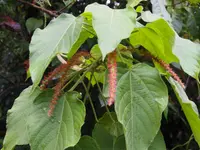
Acalypha macrostachya is a fast-growing tropical shrub known for its long, tassel-like flower spikes that hang among dense green foliage. It has an upright, branching habit and can form a loose hedge or specimen shrub in warm climates.

This species is native to tropical regions of Africa, where it grows in warm, humid conditions with regular rainfall. It is usually cultivated outdoors in frost-free areas, but may be grown in large containers in protected spaces.

The plant responds well to consistent moisture, fertile, well-drained soil, and bright light, which makes how to care for Acalypha macrostachya relatively straightforward in suitable climates. However, it can decline quickly in cold, dry, or very low-light conditions, so it suits growers who can provide stable warmth and regular attention.

Main Plant Requirements

Care Difficulty

Moderate Care

Light Preference

Partial Sun

Water Requirements

Regular Water

Temperature Preference

Tropical / Frost Sensitive

Hardiness Zone

10–11

Soil Texture

Loamy, Sandy, Organic-rich

Soil pH

Acidic (5.5–6.5), Slightly acidic (6.5–7.0)

Soil Drainage

Moist but well-drained

Fertilization

Moderate (every 2–4 weeks)

Get Personalized Care Plan

Scan your plant to receive care tips personalized for your specific plant

Available on iOS and Android

How to Care for the Acalypha macrostachya

This species thrives in bright, warm conditions with some protection from harsh midday sun.

  • Provide 4–6 hours of direct morning sun with light or dappled shade from midday onward, especially in hotter climates.
  • Tolerates partial shade, but Acalypha macrostachya produces fuller growth and better flowering with strong, filtered light rather than deep shade.
  • Watch foliage for stress: pale, leggy stems indicate insufficient light, while scorched, crispy leaf edges suggest too much intense afternoon sun.

Watering should keep the root zone evenly moist without becoming saturated.

  • Water when the top 3–5 cm of soil feels dry, soaking the root area thoroughly, then let excess drain away to avoid standing water.
  • In hot, active growth periods, expect to water more often; reduce frequency in cooler seasons while still preventing the soil from fully drying out.
  • Signs of overwatering include yellowing, soft leaves and a sour soil smell, while drooping, dry, browning leaf edges suggest underwatering or prolonged drought.

Stable warm temperatures support healthy, dense growth and flowering.

  • Aim for 70–85°F (21–29°C) for best growth, as this warmth supports active shoots and sustained flowering through the growing season.
  • Protect the plant whenever temperatures approach 50°F (10°C); it is highly sensitive to frost and can be severely damaged below 40°F (4°C).
  • In hot spells above 90°F (32°C), provide extra shade and soil moisture, and shield from drying winds to reduce heat stress and leaf scorch.

This species prefers moderately high humidity to keep foliage healthy and reduce leaf edge damage.

  • Aim for 50–70% humidity, as very dry indoor air below 40% often leads to crisp leaf margins and tip burn.
  • Watch for curling, browning edges and slower new growth as signs that Acalypha macrostachya is experiencing humidity stress.
  • Group plants, place pots on pebble trays with water, or use a small humidifier rather than misting, which raises humidity only briefly.

Acalypha macrostachya grows best in loose, organic-rich, well-drained soil that still holds steady moisture.

  • Use a loamy mix of roughly 50% all-purpose potting mix, 30% compost, and 20% drainage material such as perlite or coarse sand.
  • Ensure the soil drains freely within a few minutes after watering to avoid waterlogging and root rot.
  • Keep pH slightly acidic to neutral, around 6.0–7.0, as strongly alkaline soils can lock up nutrients and cause chlorosis, or yellowing leaves.
  • Improve aeration by incorporating chunky materials like fine bark or extra perlite and avoid dense, clay-heavy garden soil.

This species is suitable for container growing where space, moisture, and stability can be closely managed.

  • Select a wide, heavy container to counterbalance tall, leafy growth and reduce the risk of the pot tipping in wind.
  • Choose a pot depth that allows a broad, fibrous root system to spread rather than forcing it into a narrow, columnar shape.
  • Prefer breathable materials like unglazed clay in humid or rainy climates to release excess moisture more quickly than plastic.

Good nutrition supports strong growth and flowering in Acalypha macrostachya grown in garden beds or containers.

  • Use a balanced NPK fertilizer (such as 10-10-10) or well-rotted compost for established plants.
  • Feed every 4–6 weeks during the warm growing season, adjusting to growth vigor and soil richness.
  • Apply liquid feeds at half-strength to avoid root burn, especially in containers with limited soil volume.
  • Reduce or stop feeding in late fall and winter when growth slows, resuming only as new growth appears.

Thoughtful pruning keeps Acalypha macrostachya compact, well-shaped, and flowering well.

  • Carry out main pruning in late winter or early spring before vigorous new growth begins.
  • Remove dead, diseased, or damaged stems first, then thin crowded branches to improve light and airflow.
  • Shorten overly long shoots to encourage bushier growth and more flowering wood.
  • Use clean, sharp hand pruners and make angled cuts just above a healthy outward-facing bud or leaf node.

Repotting or transplanting helps this fast-growing shrub maintain a healthy root system and steady top growth.

  • Check for roots circling the pot, pushing through drainage holes, or slowing top growth as signals to move up.
  • Plan repotting or transplanting in spring, aiming for every 1–2 years in containers or when garden plants outgrow their space.
  • Shift to a container 1–2 in wider with free-draining, rich mix, handling the root ball gently to limit damage.
  • Water thoroughly after moving, shade from intense sun for a few days, and keep soil evenly moist while roots re-establish.

New Acalypha macrostachya plants are most often raised from softwood or semi-ripe stem cuttings.

  • Take 8–12 cm cuttings in late spring or summer from healthy, non-flowering shoots.
  • Remove lower leaves, keep 2–3 at the tip, and optionally dip the cut base in rooting hormone for faster root formation.
  • Insert cuttings into a moist, free-draining medium, then provide bright, indirect light and high humidity using a loose cover.
  • Maintain gentle bottom warmth if possible (around 70–75°F) and keep the medium just moist until strong roots form.

Winter care depends on climate, as this species is frost-tender in most temperate regions.

  • In areas with frost, grow in containers and move plants indoors before temperatures drop below 40°F.
  • Provide a bright, cool indoor spot and reduce watering, keeping the soil slightly moist but never waterlogged.
  • In mild climates, add 5–8 cm of organic mulch over the root zone to moderate soil temperature and moisture.

Care Tips

Pinch For Bushiness

Pinch out 1–2 cm of soft stem tips every few weeks in the growing season to keep the plant compact and encourage more flowering spikes instead of tall, bare stems.

Renew Old Wood

Each year, remove a few of the oldest, woody stems right at the base to stimulate vigorous new shoots and maintain a dense, floriferous shrub over time.

Stake Young Stems

Install discreet stakes or a low hoop support while stems are still flexible, securing them loosely with soft ties so wind or heavy rain does not snap the fast-growing branches.

Mulch The Root Zone

Apply a 3–5 cm layer of composted bark or similar mulch around the base, keeping it a few cm away from the stems, to stabilize soil moisture and reduce surface root stress when growing Acalypha macrostachya outdoors.

Monitor For Sap-Feeders

Inspect the undersides of leaves and young spikes weekly for aphids or spider mites and treat early with a directed spray of water or a labeled insecticidal soap to prevent distorted growth and reduced flowering.

Common Pests and Diseases

Spider mites

This pest often appears on acalypha species grown in warm, dry air, causing fine stippling, pale foliage, and delicate webbing on leaf undersides.

Solution

Rinse foliage thoroughly with a strong but gentle stream of water, then increase humidity and isolate the plant; for persistent infestations, treat leaf undersides with insecticidal soap or horticultural oil every 7–10 days until new growth appears clean.

Mealybugs

These insects cluster on stems, leaf nodes, and flower spikes, forming white cottony masses and causing leaf yellowing and stunted growth.

Solution

Remove visible insects with a cotton swab dipped in 70% isopropyl alcohol, then wash the plant and inspect weekly; if numbers increase, apply insecticidal soap or a light horticultural oil, ensuring complete coverage of crevices and undersides of leaves.

Scale insects

This pest appears as small, brown or tan bumps along stems and leaf veins, sucking sap and causing leaf drop and weak, sparse growth.

Solution

Gently scrape or wipe off individual scales with a fingernail or soft brush, prune heavily infested stems, and follow with 2–3 rounds of horticultural oil spray at 7–10 day intervals to target newly emerged crawlers.

Leaf spot

This disease causes irregular brown or dark purple spots on leaves, sometimes with yellow halos, which can coalesce and lead to premature leaf drop in humid, crowded conditions.

Solution

Remove and discard affected leaves, improve air circulation, avoid wetting foliage, and water at the soil level; in persistent or severe cases, apply a copper-based fungicide according to label directions and space plants to dry more quickly after watering.

Powdery mildew

This disease appears as a white or gray powdery coating on leaves and tender shoots, leading to distorted new growth and reduced vigor, especially in shade with poor air movement.

Solution

Increase light and airflow, avoid overhead watering, and remove badly affected leaves; if needed, treat remaining foliage with a sulfur or potassium bicarbonate fungicide, repeating as directed until new growth emerges clean as part of general Acalypha macrostachya care instructions.

Interesting Facts

Distinctive red catkins

This species produces long, red, tassel-like inflorescences whose individual flowers lack showy petals, relying instead on colorful bracts and staminate structures for visual impact.

African woodland origin

It is native to tropical African regions, where it typically grows as a shrub in woodland edges and disturbed sites with warm temperatures and high light.

Dioecious flowering habit

The plant is dioecious, meaning male and female flowers are produced on separate individuals, so seed production in cultivation usually requires both sexes to be present.

FAQs about Acalypha macrostachya

Poor flowering usually results from inadequate light, low warmth, or nutrient imbalance. Ensure bright conditions, avoid heavy nitrogen fertilization, and keep the plant out of cold drafts. Light pruning of spent flower spikes can also stimulate new blooms.

Grow Healthy Plants with Botan Care

Keep your plants happy and healthy with plant identification, disease detection, and easy care guidance.

Botan plant care app — identify plants on mobile

Explore More Plants