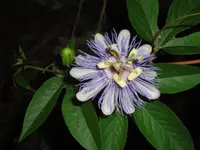
Cherokee rose Care (Rosa laevigata)

Also known as: Camelia rose, Mardan rose
Cherokee rose

About Cherokee rose

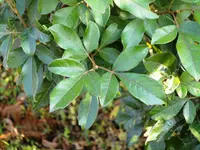
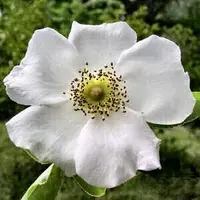
Cherokee rose, Rosa laevigata, is a vigorous, evergreen climbing rose known for its long, arching canes and glossy, leathery foliage. It typically forms large, rambling thickets if not pruned. In spring, it produces large white single flowers with golden centers, followed by bright hips that add seasonal interest. The plant is native to China and Taiwan but has naturalized in parts of the southeastern United States. It is generally robust and fast-growing, which can make it easy to establish but demanding to control in smaller spaces. It prefers full sun, well-drained soil, and moderate moisture, which are key points in how to care for Cherokee rose.

Main Plant Requirements

Care Difficulty

Easy Care

Light Preference

Full Sun

Water Requirements

Moderate Water

Temperature Preference

Warm Climate

Hardiness Zone

7–9

Soil Texture

Sandy, Loamy, Clay

Soil pH

Acidic (5.5–6.5), Slightly acidic (6.5–7.0)

Soil Drainage

Well-drained

Fertilization

Minimal (feed rarely)

Get Personalized Care Plan

Scan your plant to receive care tips personalized for your specific plant

Available on iOS and Android

How to Care for the Cherokee rose

This vigorous climbing rose performs best with strong, direct light in most climates.

  • Provide 6–8 hours of direct sun daily; morning sun with some protection from intense late-afternoon summer sun reduces leaf scorch in hot regions.
  • Tolerates light partial shade (3–4 hours sun), but Cherokee rose will flower less and produce longer, weaker canes in low light sites.
  • In cooler climates, a full-sun south or west exposure is ideal, while in hotter areas, dappled or filtered light during the hottest hours helps prevent stress.

This species prefers consistently moist but not saturated soil once established outdoors.

  • Allow the top 3–5 cm of soil to dry before deep watering, soaking the root zone rather than giving light, frequent splashes that only wet the surface.
  • During the first growing season, monitor soil after heat, wind, or drought; established plants need watering mainly after prolonged dry spells or visible wilt.
  • Ensure fast-draining soil; persistent wetness, yellowing leaves, and soft stems indicate overwatering, while crisp leaves and drooping new growth suggest the need for more water for Rosa laevigata.

This rose is adapted to warm, mild climates and tolerates a moderate range of outdoor temperatures.

  • Optimal growth occurs around 65–80°F (18–27°C), supporting vigorous cane extension and strong flowering during the main growing season.
  • Mature plants usually survive brief drops to about 10–15°F (-12 to -9°C), but young plants and new growth are more vulnerable to freeze damage.
  • Heat-tolerant up to about 95°F (35°C) if soil moisture is adequate; during heat waves, mulch roots and avoid pruning stress to reduce temperature-related damage.

Humidity is rarely critical for Rosa laevigata, which copes well with typical outdoor air in its growing regions.

  • Performs best in 30–60% humidity, similar to most temperate outdoor conditions.
  • Tolerates dry air well if soil moisture is consistent and roots are not stressed.
  • Watch for crispy leaf edges and slow new growth as signs of low-humidity stress on Cherokee rose.
  • Increase humidity slightly by grouping plants or using nearby mulch that retains some surface moisture.

Rosa laevigata prefers well-structured, sharply draining soil that still holds moderate, even moisture around the root zone.

  • Use a loamy or sandy loam base with 20–30% compost to supply organic matter and nutrients.
  • Ensure fast drainage by blending in coarse sand or fine bark; avoid dense, unamended clay that stays wet.
  • Aim for slightly acidic to neutral pH around 6.0–7.0 for best nutrient availability and root health.
  • Improve aeration by loosening compacted ground 25–30 cm deep and working in coarse materials before planting.

This vigorous climber can be grown in large outdoor containers if the pot supports its strong root system and heavy top growth.

  • Choose a deep, heavy container (at least 45–60 cm wide) to provide root run and prevent tipping as vines extend.
  • Select thick-walled clay or concrete pots outdoors to add stability and moderate rapid moisture swings in summer heat.
  • Anchor a sturdy trellis or support directly in the container so wind movement does not rock and stress the root ball.

This vigorous rose usually needs modest feeding, especially when grown in lean soils or containers.

  • Use a balanced NPK granular or slow-release fertilizer, or a thin layer of compost, for caring for Cherokee rose in spring.
  • Feed every 6–8 weeks during active growth, stopping by late summer to avoid soft, frost-tender shoots.
  • Apply at half the label rate for container plants and water in thoroughly to prevent root burn.
  • Avoid fertilizing in winter dormancy; rely on existing soil nutrients unless the plant shows clear deficiency.

Rosa laevigata benefits from thoughtful pruning to control size and encourage flowering on healthy canes.

  • Best time is late winter to early spring, before strong new growth begins.
  • Remove dead, diseased, or damaged wood first, then thin crossing or crowded stems to open the shrub.
  • Shorten overly long canes to shape the plant and keep growth manageable on trellises or fences.
  • Use sharp bypass pruners or loppers, cutting just above outward-facing buds at a slight angle.

This rose is usually grown in the ground and responds best to careful transplanting rather than frequent repotting.

  • Transplant in late winter or early spring while the plant is dormant and temperatures are mild.
  • Look for slow growth, sparse flowering, or roots circling a pot as signs a container-grown plant needs a larger space.
  • Move up 1–2 pot sizes or into a prepared garden bed with well-drained soil and ample room for roots to spread.
  • Water deeply after transplanting, keep soil evenly moist for several weeks, and shade temporarily to reduce transplant shock.

Rosa laevigata is commonly propagated by semi-ripe cuttings or layering for reliable cloning of desirable plants.

  • Take semi-ripe stem cuttings in late summer, 10–15 cm long, with several nodes and at least 2 leaves.
  • Insert cuttings into a free-draining medium, keep at 65–75°F with high humidity and bright, indirect light.
  • For simple layering, bend a flexible cane to the soil, wound slightly, pin down, and cover with soil until rooted.
  • Seeds can be sown after cold stratification, but seedlings vary and take longer to reach flowering size.

This species is fairly cold hardy in mild to warm climates and usually needs only light winter preparation.

  • Tolerates light frosts but may suffer dieback in prolonged freezes below its hardiness range.
  • Apply 5–8 cm of organic mulch around the root zone in late fall, keeping mulch away from the main stem.
  • In colder areas, wrap the base of canes with burlap or horticultural fleece to reduce winter wind and freeze damage.
  • Container plants in marginal climates should be moved to a sheltered, frost-free but cool, bright area until spring.

Care Tips

Early support training

Install a sturdy trellis, fence, or wires at planting time and loosely tie young canes with soft ties so long shoots are guided early and do not snap or tangle as they harden.

Thorn-safe access

Plan a clear access path for pruning and inspection by leaving a 45–60 cm working strip and using long-handled tools so routine work does not damage canes or injure the gardener.

Airflow management

When training and tying, space main canes and remove a few congested side shoots so light and air can move through the plant, which reduces leaf wetness duration and disease pressure.

Layering propagation

To create replacements or fill gaps, pin a flexible, healthy cane to the soil, lightly wound the underside, cover it with 5–8 cm of soil, and sever it from the mother plant once roots form and new growth is strong.

Wildlife and wind buffers

Site the plant where it can act as a living barrier against deer or foot traffic, but in very windy locations provide a windbreak or anchor main canes to fixed structures to prevent rocking and root disturbance when growing Cherokee rose.

Common Pests and Diseases

Rose rosette disease

This disease is caused by a virus spread mainly by tiny eriophyid mites and is a serious threat in regions where it is established. Symptoms include witches’-broom growth, excessive thorniness, reddened distorted shoots, and poor flowering.

Solution

Remove and destroy the entire affected Rosa laevigata plant including roots as soon as symptoms are clearly identified, and do not replant roses in the same spot for several years. Reduce nearby wild or unmanaged roses that can act as reservoirs, and avoid moving pruned material or tools between plants without thorough cleaning and disinfection.

Black spot

This disease is a common fungal problem on roses in humid climates, causing round black leaf spots with yellow halos and premature leaf drop. Symptoms include thinning foliage and reduced flowering over time if not managed.

Solution

Prune and dispose of infected leaves and stems, keep foliage as dry as possible by watering at soil level, and improve air circulation by thinning dense growth. Apply a targeted rose fungicide or a sulfur-based or copper-based product at label rates during warm, wet periods, starting early in the season as a preventive measure for Rosa laevigata care instructions.

Botrytis blight

This disease is a gray mold that affects flowers and tender shoots, especially in cool, damp weather. Symptoms include bud blast, spotted petals, and a fuzzy gray mold on fading blooms or pruned tips.

Solution

Remove and discard spent flowers, blighted buds, and affected stem tips promptly, and avoid overhead watering or dense plant spacing that keeps foliage wet. In persistently cool, moist conditions, use a labeled ornamental fungicide for Botrytis and rotate chemical groups to reduce resistance risk.

Rose sawfly larvae

These insects are the larvae of small wasp-like adults and commonly skeletonize or windowpane Rosa laevigata leaves. Symptoms include translucent patches or complete loss of leaf tissue between the veins while the main veins remain intact.

Solution

Inspect undersides of leaves in spring and early summer, then handpick and crush larvae or rinse them off with a strong stream of water. For heavier infestations, apply insecticidal soap, horticultural oil, or a spinosad-based product, thoroughly coating the leaf undersides and repeating as directed on the label.

Scale insects

These insects appear as small, dome-shaped or flattened bumps on stems and sometimes leaves, feeding on sap and weakening the plant. Symptoms include sticky honeydew, sooty mold growth, and gradual decline in vigor if colonies become dense.

Solution

Prune out heavily infested stems and dispose of them, then wipe remaining scales with a cotton pad dipped in alcohol or scrub gently with a soft brush. For larger vines, apply horticultural oil during the dormant or cool season to smother overwintering scales, and repeat as needed according to product instructions.

Interesting Facts

Evergreen climbing shrub

This species is unusual among temperate roses because it keeps its glossy, leathery leaves year-round in mild climates, allowing it to photosynthesize and grow when many other roses are dormant.

Barbed arching canes

Its long, arching stems carry strong, recurved prickles that easily hook into nearby vegetation, helping the plant scramble over trees and shrubs without needing specialized climbing structures.

Large single spring flowers

Unlike many hybrid garden roses, it produces single, 5-petaled white flowers up to about 8–10 cm across in a short but very heavy spring flush, providing a concentrated nectar and pollen resource for early pollinators.

Botan icon

Did you know?

In the southeastern United States, this species has become widely naturalized and is listed as invasive in several states, where its vigorous evergreen growth and dense, thorny thickets can displace native vegetation and impede wildlife movement.

FAQs about Cherokee rose

Lack of blooms usually comes from insufficient sun, heavy summer pruning, or excess nitrogen fertilizer. Prune lightly right after flowering, avoid strong cuts later, and use a balanced or rose-specific fertilizer to support bud formation.

Grow Healthy Plants with Botan Care

Keep your plants happy and healthy with plant identification, disease detection, and easy care guidance.

Botan plant care app — identify plants on mobile

Explore More Plants