cinnamom rose Care (Rosa majalis)

Also known as: double cinnamon rose
cinnamom rose

About cinnamom rose

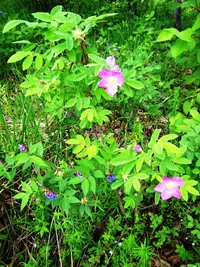
Cinnamom rose, Rosa majalis, is a cold-hardy wild rose species grown as a shrubby ornamental. It forms a dense, upright bush with arching, thorny stems and fragrant pink single flowers.

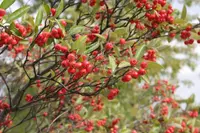
Plants produce orange-red hips that attract birds and add interest after flowering. It occurs naturally across northern and eastern Europe and parts of northern Asia, often in woodland edges and open meadows.

This species is considered relatively undemanding if planted in suitable conditions. It prefers full sun to light shade, moderate moisture, and well-drained, moderately fertile soil. Gardeners who learn how to care for cinnamom rose usually find it reliable in cooler climates.

Main Plant Requirements

Care Difficulty

Moderate Care

Light Preference

Full Sun

Water Requirements

Moderate Water

Temperature Preference

Cold Hardy

Hardiness Zone

2–7

Soil Texture

Loamy, Sandy, Clay

Soil pH

Acidic (5.5–6.5), Slightly acidic (6.5–7.0)

Soil Drainage

Moist but well-drained

Fertilization

Minimal (feed rarely)

Get Personalized Care Plan

Scan your plant to receive care tips personalized for your specific plant

Available on iOS and Android

How to Care for the cinnamom rose

Rosa majalis performs best with strong natural light but tolerates some shade, especially in hotter regions.

  • Provide 6–8 hours of direct sun daily, with gentle morning sun preferred and some protection from intense late-afternoon summer sun.
  • Allow light dappled or partial shade (around 3–4 hours direct sun) in warm climates; flowering may decrease slightly but foliage stays healthier.
  • Watch for pale, leggy growth as a sign of too little light, and scorched, crisp leaf edges as a sign of excessive, reflected, or all-day harsh sun on cinnamom rose.

Rosa majalis prefers evenly moist, well-drained soil rather than constant wetness or complete drying.

  • In active growth, water when the top 3–5 cm of soil feels dry, soaking the root zone deeply instead of giving light, frequent splashes.
  • Use soil with good drainage and avoid standing water; yellowing soft leaves, blackened stems, or foul-smelling soil suggest overwatering and poor aeration.
  • In hot, dry periods, increase watering frequency, while in cool or rainy seasons reduce it; drooping, dry, brittle leaves and small buds indicate underwatering stress.

This hardy rose thrives in cool to mild climates and tolerates significant winter cold once established.

  • Active growth and flowering are strongest around 60–75°F (16–24°C), with good performance in typical spring and early summer conditions.
  • Dormant plants tolerate winter cold down to about -20°F (-29°C) or lower with snow cover, but sudden freeze–thaw cycles can damage young shoots.
  • In summer, brief heat up to about 85–90°F (29–32°C) is acceptable if soil is moist; extended hotter periods benefit from mulch and some afternoon shade to limit stress.

Rosa majalis handles a wide humidity range but performs best in moderate outdoor conditions.

  • Target 40–60% humidity, which is typical outdoor air in many temperate regions.
  • Dry air is generally tolerated, but prolonged hot, very dry winds can cause leaf edge browning and faster flower fade.
  • Increase humidity slightly in exposed sites by grouping shrubs with other plants or adding organic mulch to reduce rapid moisture loss.

Rosa majalis prefers deep, well-drained, fertile soil that retains moisture without staying wet.

  • Use a loamy soil with a crumbly structure, rich in organic matter from compost or well-rotted manure.
  • Aim for a slightly acidic to neutral pH around 6.0–7.0, avoiding strongly acidic or alkaline conditions that limit nutrient uptake.
  • Improve drainage and aeration in heavy clay by working in coarse sand or fine gravel plus 30–40% compost by volume.
  • Avoid compacted, waterlogged, or very shallow soils, as poor oxygen levels around the roots increase risk of rot and weak growth.

This species can be grown in containers if the pot is large and stable enough for its shrub habit.

  • Choose a deep, heavy container (at least 40–50 cm tall) to accommodate the strong root system and prevent tipping in wind.
  • Use a free-draining shrub or rose mix with added coarse material, then elevate the pot slightly so drainage holes never sit in standing water.
  • Position the container where sides receive some airflow and light, which helps keep the root zone cooler and reduces moisture imbalance.

Rosa majalis, often called cinnamom rose, grows well in modest soils and usually needs only light feeding.

  • Apply a balanced, slow-release rose fertilizer or compost once in early spring to support new growth and flowering.
  • Use a balanced NPK product at half the label strength on established plants during peak growth if soil is poor.
  • Avoid feeding from late summer onward to allow shoots to harden before winter dormancy.
  • Do not fertilize during winter; the plant rests and extra nutrients are not used effectively.

Rosa majalis benefits from thoughtful pruning to maintain health, shape, and flowering.

  • Prune in late winter or very early spring before strong new growth starts.
  • Remove dead, diseased, or crossing stems with clean, sharp bypass pruners to limit damage.
  • Thin crowded older stems at the base to improve air flow and light penetration.
  • Shorten overly long shoots to shape the shrub and keep flowering wood within easy reach.

This species is usually grown in the ground, so focus on careful transplanting rather than frequent repotting.

  • Plan transplanting for early spring or fall when temperatures are mild and moisture is reliable.
  • Move plants only every several years, when growth is poor or a better site with more light or drainage is available.
  • Lift with a wide, deep root ball, disturb roots as little as possible, and replant at the same soil depth.
  • Water thoroughly after transplanting, then keep soil evenly moist and shaded around the base to reduce stress.

Rosa majalis is commonly propagated by hardwood cuttings, suckers, and seed in garden or nursery settings.

  • Take hardwood cuttings in late fall or winter, 15–20 cm long, and insert into free-draining, moist substrate.
  • Divide or lift rooted suckers in early spring, keeping a good portion of fibrous roots attached.
  • Sow cleaned seeds outdoors in fall or cold-stratify indoors for several months before spring sowing.
  • Provide consistent moisture, bright indirect light, and good air circulation while new roots or seedlings establish.

This rose is naturally cold hardy and usually needs only minimal winter care in most temperate climates.

  • Tolerates substantial frost once established, especially in well-drained soil.
  • Apply 5–8 cm of organic mulch around the root zone in late fall, keeping it away from the main stems.
  • In very exposed sites, tie long canes loosely together and shelter from harsh drying winds.
  • Container plants in colder regions benefit from moving to a sheltered, unheated but frost-moderated spot.

Care Tips

Encourage Basal Shoots

After flowering, lightly thin older stems at the base to stimulate new basal shoots, which maintain a dense, youthful shrub and improve flowering the following year.

Sucker Management

Inspect the area around the plant 2–3 times per season and either allow strong, well-placed suckers to expand the thicket or cut unwanted ones cleanly at soil level to contain spread.

Airflow Through Canopy

In late winter, selectively remove a few inward-growing or crossing branches so more light and air reach the center, which helps reduce foliar disease on this naturally dense species.

Targeted Mulch Strategy

Maintain a 5–8 cm ring of organic mulch over the root zone but keep it pulled back 5–8 cm from the stems to conserve moisture while limiting stem rot and vole damage.

Winter Hardiness Support

In very exposed sites, drive in a few short stakes and use a breathable fabric windbreak around the shrub to reduce winter wind desiccation of buds and young stems when growing cinnamom rose.

Common Pests and Diseases

Rose rust

This disease causes orange to rust-brown pustules on leaf undersides, often with yellow spotting on the upper surface and premature leaf drop. Symptoms include heavier outbreaks in cool, moist weather, especially on wild and old garden roses such as Rosa majalis.

Solution

Remove and discard all infected leaves and severely affected stems, including fallen debris around the plant, to reduce spore sources. Improve air circulation by thinning crowded branches, avoid overhead watering, and in regions with recurring rust consider applying a sulfur or myclobutanil-based fungicide at bud break according to label directions as part of Rosa majalis care instructions.

Powdery mildew

This disease produces white to gray powdery growth on young leaves, buds, and stems, leading to distorted foliage and reduced flowering. Symptoms include higher incidence in warm days with cool, humid nights and dense, shaded plantings.

Solution

Prune to open the shrub’s center and remove heavily infected shoots, then dispose of all clippings. Water at soil level in the morning, keep the plant in full sun where possible, and use a labeled rose fungicide such as potassium bicarbonate or myclobutanil at the first sign of infection if cultural measures are not enough.

Rose aphids

These insects cluster on tender shoot tips and flower buds, sucking sap and causing curling leaves, sticky honeydew, and sooty mold on foliage. This pest is especially noticeable in spring flushes of growth and during early flowering.

Solution

Spray colonies off with a strong stream of water, focusing on shoot tips and bud clusters, and repeat every few days as needed. Encourage or introduce natural enemies such as lady beetles, and if infestations persist apply insecticidal soap or a light horticultural oil, making sure to coat the undersides of leaves and to treat in the early morning or evening.

Rose sawfly (leaf slug)

These larvae skeletonize leaves, leaving a windowpane or lacy appearance and, in heavy infestations, can strip much of the foliage on canes. This pest is more active in late spring to early summer and tends to target wild and species roses such as cinnamon rose.

Solution

Inspect leaves regularly and hand-pick or crush larvae on lightly affected plants, or prune off and discard infested shoot tips. For larger populations, treat foliage with a labeled insecticidal soap or spinosad product, ensuring thorough coverage of both upper and lower leaf surfaces while avoiding applications when pollinators are actively visiting flowers.

Black spot

This disease causes round black leaf spots with fringed edges, often followed by yellowing and premature leaf drop starting from the lower canopy. Symptoms include progressive defoliation in warm, wet weather, particularly when leaves stay wet for extended periods.

Solution

Promptly remove and discard infected leaves from the plant and the ground, and prune to improve air movement through the shrub. Water at the base, avoid wetting foliage, apply a fresh layer of mulch each spring to cover fallen spores, and in areas with chronic black spot use a preventative fungicide program based on chlorothalonil, mancozeb, or systemic rose fungicides according to label instructions.

Interesting Facts

Northern distribution specialist

This species naturally occurs far into northern Europe and western Siberia, tolerating long, cold winters that would damage many other wild roses.

Distinctive flat-topped hips

Its bright red fruits are often slightly flattened at the ends and remain on the plant through winter, providing an important wild food source for birds in cold regions.

Early summer bloomer

Flowering typically occurs in late spring to early summer with a short, concentrated bloom period, which supports early-season pollinators in its native habitats.

Botan icon

Did you know?

Genetic studies have shown that Rosa majalis has contributed to the parentage of several hardy ornamental rose hybrids, passing on its cold tolerance and disease resistance traits to modern garden roses.

FAQs about cinnamom rose

Lack of flowers usually comes from too much shade, heavy or poorly drained soil, or incorrect pruning that removes older flowering wood. Ensure full sun, moderate fertility, good drainage, and prune right after flowering, not in early spring.

Grow Healthy Plants with Botan Care

Keep your plants happy and healthy with plant identification, disease detection, and easy care guidance.

Botan plant care app — identify plants on mobile

Explore More Plants