northern evening primrose Care (Oenothera parviflora)

Also known as: Evening primrose, Small-flowered Evening-primrose
northern evening primrose

About northern evening primrose

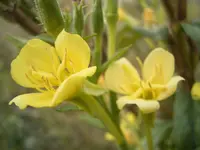
Northern evening primrose (Oenothera parviflora) is a short-lived perennial or biennial wildflower known for its tall, slender stems and soft yellow, night-opening blooms. Flowers often attract moths and other nocturnal pollinators.

This species is native to North America and is commonly found in open fields, roadsides, dunes, and other disturbed, sandy or gravelly habitats. It has a clumping basal rosette in its first year, then sends up flowering spikes in the second.

The plant is generally undemanding, which makes it relatively easy to establish in informal beds, meadows, or naturalized plantings. Understanding how to care for northern evening primrose mainly involves providing full sun, reasonably well-drained soil, and avoiding consistently waterlogged conditions.

Main Plant Requirements

Care Difficulty

Easy Care

Light Preference

Full Sun

Water Requirements

Low Water

Temperature Preference

Cold Hardy

Hardiness Zone

4–8

Soil Texture

Sandy, Loamy, Rocky

Soil pH

Slightly acidic (6.5–7.0), Neutral (7.0)

Soil Drainage

Well-drained

Fertilization

Minimal (feed rarely)

Get Personalized Care Plan

Scan your plant to receive care tips personalized for your specific plant

Available on iOS and Android

How to Care for the northern evening primrose

This species thrives in strong light and performs best in open, unshaded positions.

  • Provide full sun for 6–8 hours per day; flowering is heaviest where midday and afternoon sun are not blocked.
  • The plant tolerates light partial shade, especially in hot climates, but less than 4–5 hours of direct sun leads to lanky growth and fewer blooms in northern evening primrose.
  • In very hot summers, mild afternoon shade or filtered sun reduces leaf scorch and helps flowers last longer, especially on dry, exposed sites.

This drought-tolerant perennial prefers infrequent, deep watering rather than frequent light irrigation.

  • Allow the top 3–5 cm of soil to dry between waterings; in most garden soils, this means watering only after foliage begins to look slightly less turgid in dry spells.
  • During cool spring and fall, natural rainfall often suffices; in hot, dry summers, water when lower leaves start to droop slightly, then soak the root zone thoroughly.
  • Use sharply drained soil or raised beds to prevent waterlogging; persistent wetness, yellowing leaves, and soft stems indicate overwatering in Oenothera parviflora.

This hardy species tolerates a wide temperature range typical of temperate climates.

  • Active growth and flowering are strongest at 65–80°F (18–27°C), especially with full sun and well-drained soil.
  • Established plants usually survive down to about -20°F (-29°C) in the ground, dying back above soil level and resprouting in spring.
  • The plant copes with summer heat up to about 90–95°F (32–35°C) if soil is not waterlogged; prolonged extreme heat with drought can shorten flowering and stress foliage.

Humidity is not a significant factor for Oenothera parviflora in typical outdoor conditions.

This species prefers lean, well-drained soil that does not stay wet for long.

  • Use sandy or sandy-loam soil with plenty of mineral content and only light organic matter to mimic natural habitats.
  • Ensure very sharp drainage by mixing in coarse sand or fine gravel at 20–40% of the volume, especially in heavy native soil.
  • Aim for slightly acidic to neutral pH around 6.0–7.2, avoiding strongly acidic or alkaline conditions that limit nutrient uptake.
  • Avoid compacted, waterlogged, or peat-heavy mixes, which reduce aeration and increase the risk of root rot in Oenothera parviflora.

This species can be grown in containers if the pot is prepared to stay free-draining and relatively dry between waterings.

  • Choose a deep, relatively narrow pot to accommodate the taproot while limiting excess surface area that dries too fast in wind and sun.
  • Fill the pot with a gritty, low-organic mix such as 50–60% coarse sand or grit blended into standard potting mix to prevent water retention.
  • Place the container in a location where rain cannot pool inside saucers or cachepots so the root zone always drains completely after storms.

This species is adapted to low-fertility soils, so northern evening primrose needs only light feeding in most garden settings.

  • Use a balanced, low-strength granular or liquid fertilizer (for example 10-10-10) at 1/2 label strength in spring as growth starts.
  • Apply once at the beginning of the main growing season; in richer soils, skip synthetic fertilizer and use a thin layer of compost instead.
  • Avoid feeding in late fall or winter, as the plant is semi-dormant and excess nutrients can weaken cold tolerance.
  • Do not fertilize very dry or stressed plants; water first, then apply diluted nutrients to moist soil only.

Pruning Oenothera parviflora is mainly done to keep plants tidy and sustain flowering.

  • Cut back spent flower stems in mid to late summer to encourage a neater mound and sometimes a light rebloom.
  • Remove dead, diseased, or storm-damaged stems at ground level whenever noticed to reduce disease pressure.
  • Thin crowded shoots lightly in early spring to improve air flow and reduce mildew risk.
  • Use clean, sharp hand pruners or scissors and disinfect blades if working on diseased material.

This species is most often grown in beds or naturalized areas, so focus on careful transplanting rather than frequent repotting.

  • Transplant in early spring or early fall when temperatures are mild and soil is moist but not waterlogged.
  • Choose a sunny, well-drained site; amend heavy clay with grit or compost to reduce standing water around the crown.
  • Move plants only when necessary, keeping as much root ball intact as possible and planting at the same soil depth.
  • Water deeply after transplanting and keep soil evenly moist for 1–2 weeks to limit transplant shock, then return to normal watering.

Propagation is usually done from seed, as this species self-sows freely in suitable conditions.

  • Collect ripe seed in late summer, then sow outdoors in fall or early spring on the soil surface or barely covered.
  • Provide full sun and well-drained soil; cool-to-mild temperatures around 50–65°F support reliable germination.
  • For indoor starts, use a sterile seed mix, maintain light moisture, and give strong light to prevent weak, leggy seedlings.
  • Thin or transplant seedlings when they have 2–3 true leaves, spacing them to allow airflow and mature spread.

This hardy perennial usually overwinters well in the ground in temperate climates and needs minimal winter care.

  • Tolerates typical garden frosts once established, with top growth dying back and roots remaining viable.
  • After hard frost, allow foliage to wither, then cut stems near soil level to reduce disease carryover.
  • Apply a light mulch layer (2–5 cm) over the root zone in colder regions to buffer freeze–thaw cycles.
  • Container-grown plants in very cold areas can be moved to a sheltered, unheated but frost-free space if roots are at risk.

Care Tips

Encourage Compact Growth

Pinch back the soft tips of young stems in late spring to encourage bushier plants with more flowering shoots instead of a few tall, floppy ones.

Self-Seeding Management

If you want controlled colonies, deadhead fading flowers before seed pods mature, but leave a few seed heads on the healthiest plants where natural reseeding is desired.

Support Tall Spikes

In windy or exposed sites, insert low, unobtrusive ring stakes or short canes early in the season so tall flowering stems can grow through them without snapping later.

Targeted Weed Suppression

Apply a thin, mineral-based mulch such as gravel or coarse sand around the crown to suppress weeds without keeping the soil overly moist, which suits Oenothera parviflora care in dry sites.

Monitor Evening Activity

Inspect flowers and buds at dusk during peak bloom to spot nocturnal pests like moth larvae early and remove them by hand before they damage multiple buds.

Common Pests and Diseases

Flea beetles

These insects chew many small round holes in the leaves, giving foliage a shot-hole or lace-like appearance and sometimes stunting young rosettes.

Solution

Cover young plants with floating row covers until they are established, remove nearby weeds that host beetles, and, if needed, use a spinosad or pyrethrin-based spray directed at foliage in the early morning when beetles are less active.

Aphids

These insects cluster on young stems, buds, and the undersides of leaves, sucking sap and leaving sticky honeydew that can attract sooty mold.

Solution

Dislodge colonies with a strong stream of water, prune heavily infested shoot tips, and, if needed, apply insecticidal soap or neem oil thoroughly to all leaf surfaces, repeating at 5–7 day intervals until populations drop.

Leaf miners

This pest creates winding, pale tunnels inside the leaves where larvae feed between leaf surfaces, which can reduce photosynthesis on heavily affected plants.

Solution

Remove and discard mined leaves as soon as damage appears, keep the area free of nearby weedy evening primrose relatives that can host the insects, and consider using a horticultural oil spray to target eggs and young larvae on leaf surfaces.

Rust

This disease causes small orange to brown pustules on leaf undersides, often with yellowing on the upper surface and early leaf drop in humid conditions.

Solution

Promptly remove and discard infected leaves, water at soil level rather than overhead, improve spacing and airflow around plants, and apply a sulfur or copper-based fungicide labeled for ornamental perennials if the disease progresses.

Powdery mildew

This disease produces a white, powdery coating on leaves and stems, which can cause distortion and gradual decline of heavily affected foliage, especially in crowded plantings with dry soil and humid air.

Solution

Thin dense clumps to increase airflow, avoid excess nitrogen fertilization, water consistently at the base of the plant, and use a horticultural oil or potassium bicarbonate fungicide at the first sign of white patches as part of broader Oenothera parviflora care instructions.

Interesting Facts

Evening-opening yellow blooms

This species opens its bright yellow flowers in the evening and at night, relying mainly on moths and other nocturnal insects for pollination, and the flowers usually fade by the following day.

Tall, slender growth

In suitable conditions it often forms upright stems 60–120 cm tall with a narrow profile, which helps it compete for light in open, disturbed habitats such as roadsides and railway embankments.

Successful introduced species

Native to eastern North America, it has become naturalized in parts of Europe and other temperate regions, where it often behaves as a pioneer plant on nutrient-poor, sandy, or gravelly soils.

Botan icon

Did you know?

Genetic and ecological studies have shown that this species can hybridize with some closely related evening primroses in overlapping ranges, contributing to complex patterns of variation in wild populations and making precise identification difficult even for specialists.

FAQs about northern evening primrose

This species self-seeds freely and can form loose colonies, especially in open, disturbed ground. It is not strongly rhizomatous, but unwanted spread is limited by deadheading spent flowers, removing volunteer seedlings, and maintaining clear edges or mulch barriers.

Grow Healthy Plants with Botan Care

Keep your plants happy and healthy with plant identification, disease detection, and easy care guidance.

Botan plant care app — identify plants on mobile

Explore More Plants