Brazilian Pepper Tree Care (Schinus terebinthifolia)

Also known as: Christmas berry, Christmasberry Tree, Florida Holly
Brazilian Pepper Tree

About Brazilian Pepper Tree

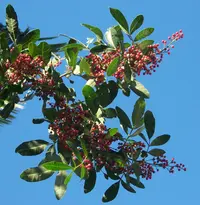
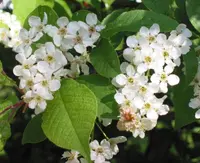
The Brazilian pepper tree, Schinus terebinthifolia, is a fast-growing evergreen shrub or small tree from South America. It often forms dense, multi-stemmed thickets with a rounded crown. Glossy green leaflets, small white flowers, and bright red berry-like clusters give it a decorative look, but it can spread aggressively outdoors in warm climates. In some regions it is considered invasive. This species tolerates poor soils, drought, and coastal conditions, which makes it resilient but also harder to control in the landscape. It is relatively easy to grow in well-drained soil with good light, but learning how to care for Brazilian Pepper Tree is important to manage its size and spread.

Main Plant Requirements

Care Difficulty

Easy Care

Light Preference

Full Sun

Water Requirements

Low Water

Temperature Preference

Tropical / Frost Sensitive

Hardiness Zone

9–11

Soil Texture

Sandy, Loamy, Rocky

Soil pH

Acidic (5.5–6.5), Slightly acidic (6.5–7.0)

Soil Drainage

Well-drained

Fertilization

Minimal (feed rarely)

Get Personalized Care Plan

Scan your plant to receive care tips personalized for your specific plant

Available on iOS and Android

How to Care for the Brazilian Pepper Tree

This sun-loving species grows best in warm, bright conditions with mostly direct light.

  • Provide 6–8 hours of direct sun daily; full sun is ideal for dense growth and abundant fruiting for Brazilian Pepper Tree.
  • Tolerates light or partial shade, especially with morning sun and light afternoon shade in very hot, dry climates to reduce leaf scorch.
  • In winter or cloudy seasons, ensure open exposure without shading structures or taller plants, as prolonged low light leads to lanky, weak shoots.

This drought-tolerant tree prefers deep, infrequent watering once established.

  • For in-ground plants, water thoroughly only when the top 5–8 cm of soil feel dry and the soil below is barely moist, then allow it to drain fully.
  • Use well-drained soil; standing water or constantly wet soil causes root rot, yellowing leaves, and dieback in Schinus terebinthifolia.
  • During the first 1–2 growing seasons, water more often in hot, dry weather, then reduce once roots are deep; drooping, crisp leaves signal underwatering.

This warm-climate tree thrives in mild winters and hot summers without prolonged frost.

  • Optimal growth occurs around 70–90°F (21–32°C), typical of subtropical to warm-temperate regions with long, warm growing seasons.
  • Mature trees may briefly tolerate down to about 25°F (−4°C), but young plants are damaged below 30°F (−1°C) and repeated frost can kill tender shoots.
  • Handles dry heat above 95°F (35°C) if soil moisture is adequate, but extended cold, wet periods slow growth and increase risk of cold injury.

This species tolerates a wide humidity range and usually thrives in 30–60% indoor humidity.

  • Brazilian Pepper Tree handles relatively dry air but benefits from the higher end of the 40–60% range in heated homes.
  • Crisping leaf edges, stalled growth, and repeated leaf drop can indicate humidity stress combined with moisture issues.
  • Increase humidity locally with a nearby tray of water and stones, grouping plants, or a room humidifier rather than misting foliage.

Schinus terebinthifolia prefers fast-draining, slightly lean soil that does not stay wet for long.

  • Use a sandy or sandy-loam mix, such as 50–60% general potting mix with 40–50% coarse sand or fine gravel for strong drainage.
  • Aim for slightly acidic to neutral pH, roughly 6.0–7.0, avoiding very alkaline substrates that can limit nutrient availability.
  • Incorporate only modest organic matter, like 10–20% compost, to avoid overly rich or water-retentive soil that encourages weak, lush growth.
  • Improve aeration and drainage by adding coarse perlite or small bark pieces and avoid compacted or clay-heavy mixes that hold water.

This species can be grown in containers, but the plant becomes large and needs careful management of root space and stability.

  • Choose a wide, heavy container to counterbalance the top-heavy canopy and reduce tipping in strong wind.
  • Select a deep pot that allows a strong woody root system to develop without circling tightly against the wall.
  • Favor thick-walled terracotta or concrete containers in hot climates to buffer root temperature and moderate rapid moisture loss.

This tree grows in poor soils but benefits from light feeding in containers or depleted ground, an important point in Schinus terebinthifolia care.

  • Use a balanced slow-release fertilizer (e.g., 10-10-10) or well-aged compost in early spring.
  • Feed container plants every 6–8 weeks during the growing season at half label strength.
  • Limit or stop fertilizing in fall and winter to avoid soft, frost-tender growth.
  • Water thoroughly after feeding to distribute nutrients and prevent root burn.

Pruning manages size, structure, and safety for Schinus terebinthifolia, which can become dense and spreading.

  • Carry out main pruning in late winter to early spring before vigorous growth begins.
  • Remove dead, diseased, crossing, or crowded branches to open the canopy and improve airflow.
  • Shorten or thin vigorous shoots to control height and spread, shaping a stable framework.
  • Use clean, sharp bypass pruners or loppers and make cuts just above a bud or branch union.

This species is usually field-grown, so care focuses more on transplanting young trees than on frequent repotting.

  • Transplant in late winter or early spring when growth is slow and temperatures are mild.
  • Look for roots circling the container, water running off quickly, or stalled growth as signs a plant is pot-bound.
  • Shift to a container 1–2 sizes larger or into open ground with well-drained soil, keeping the root flare at soil level.
  • Loosen circling roots gently, water deeply after planting, and shade for a few days to reduce transplant stress.

New Schinus terebinthifolia plants are commonly produced from both seeds and semi-hardwood cuttings.

  • Collect ripe berries, clean the seeds, and sow them in spring in a well-drained, sandy mix kept slightly moist.
  • Provide warmth (70–80°F) and bright light to support steady germination and seedling growth.
  • Take semi-hardwood cuttings in late spring to summer, 10–15 cm long, with several nodes.
  • Dip cut bases in rooting hormone, insert into sterile, moist medium, and maintain high humidity until rooted.

Mature plants tolerate light frost but young or container-grown Schinus terebinthifolia benefit from basic winter precautions in cooler regions.

  • Expect damage below about 25°F, especially on new growth and small plants.
  • Apply 5–8 cm of organic mulch around the root zone, keeping it slightly away from the trunk.
  • Move container specimens into a bright, frost-free spot or against a sheltered south-facing wall for extra warmth.

Care Tips

Control Root Suckers

Inspect the base and surrounding soil 2–3 times per year and promptly cut off any root suckers at or below soil level to prevent the plant from forming an uncontrolled thicket.

Shape With Selective Thinning

Instead of shearing, remove a few entire branches back to their origin each year to maintain a strong framework, improve light penetration, and reduce wind resistance.

Manage Invasiveness

Collect and dispose of fallen berries before they dry and scatter, and avoid planting near natural waterways to reduce the risk of this species spreading into nearby ecosystems.

Protect From Trunk Damage

Install a simple physical barrier or edging around the trunk zone to keep lawn tools from nicking the bark, which reduces infection risk and preserves vascular tissue.

Allergy And Safety Check

Wear gloves and long sleeves when pruning and keep children and pets away from fresh sap and berries, as the plant can cause skin irritation and the fruits are not considered safe to eat when caring for Brazilian Pepper Tree.

Common Pests and Diseases

Peppertree psyllid

This pest causes leaf curling, distortion, and yellowing, often with tiny bumps or galls on young foliage. This pest is a sap-sucking insect that weakens growth, especially on new shoots.

Solution

Prune and dispose of heavily infested shoot tips, then hose down foliage to remove nymphs. If needed, apply an insecticidal soap or horticultural oil, coating leaf undersides thoroughly and repeating every 7–10 days until new growth appears clean.

Scale insects

These insects appear as small, dome-shaped or flat bumps on stems and leaves, often accompanied by sticky honeydew and sooty mold growth. This pest can cause branch dieback and general decline if populations build up.

Solution

Physically remove scales from stems with a soft brush or cloth and prune heavily infested twigs. Follow up with horticultural oil sprays targeting the crawler stage and monitor regularly, as part of long-term Schinus terebinthifolia care to prevent reinfestation.

Pepper tree gall midge

This pest leads to blister-like swellings or galls on leaves and young twigs, which may become distorted or drop prematurely. These insects live and feed inside the galls, protected from contact sprays.

Solution

Prune and destroy affected twigs and foliage before adult midges emerge to reduce the next generation. Encourage beneficial insects and avoid broad-spectrum insecticides; in heavier cases, consult local extension services for timing of any targeted systemic treatment.

Leaf spot

This disease produces small brown to dark spots on leaves, sometimes with yellow halos, leading to premature leaf drop in severe cases. Symptoms include more damage during warm, humid weather or when foliage remains wet for long periods.

Solution

Improve air circulation by selective pruning and avoid overhead watering to keep leaves as dry as possible. Remove and discard fallen leaves, and in persistent cases use a copper- or chlorothalonil-based fungicide according to label directions during peak infection periods.

Sooty mold

This disease shows up as a black, soot-like coating on leaves and stems that reduces photosynthesis and makes the plant look dirty. Symptoms include sticky honeydew on surfaces, usually produced by sap-sucking insects such as scale or psyllids.

Solution

Rinse affected foliage with water and a mild soap solution to remove mold, then address the underlying insect problem by managing scale or psyllids with horticultural oils or insecticidal soaps. Improve airflow and light penetration through pruning so new foliage stays cleaner and dries quickly.

Interesting Facts

Invasive ecosystem transformer

This species is one of the most aggressive woody invaders in subtropical regions such as Florida, forming dense thickets that shade out native plants and alter fire regimes and hydrology.

Dioecious pepper tree

Plants are usually either male or female, with separate trees producing pollen or fertile flowers, so only female trees develop the familiar bright red berry-like drupes.

Peppery but not a pepper

The aromatic pink to red fruits are sometimes sold as pink peppercorns and have a spicy flavor, but they come from the cashew family (Anacardiaceae) and not from true pepper, Piper nigrum.

Botan icon

Did you know?

In regions where it has become invasive, this species can hybridize with the closely related Schinus molle, creating intermediate forms that complicate identification and management efforts.

FAQs about Brazilian Pepper Tree

In many warm regions, this species is highly invasive. It spreads aggressively by seeds and root suckers, displacing native vegetation and altering habitats. In several US states it is regulated or prohibited, so always check local regulations before planting.

Grow Healthy Plants with Botan Care

Keep your plants happy and healthy with plant identification, disease detection, and easy care guidance.

Botan plant care app — identify plants on mobile

Explore More Plants