Bird Cherry Care (Prunus padus)

Also known as: European bird cherry, hackberry
Bird Cherry

About Bird Cherry

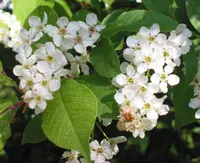
Bird cherry, Prunus padus, is a deciduous tree or large shrub known for its fragrant white spring blossoms arranged in hanging clusters. It forms a rounded to oval crown and can create a light, airy screen or small landscape tree. This species is native to Europe and parts of Asia, often growing along rivers, forest edges, and moist woodland margins. Its tolerance of cold climates and typical garden soils makes it relatively straightforward for beginners who want to care for Bird Cherry. It prefers full sun to light shade, evenly moist soil, and good drainage, which help support healthy flowering and growth.

Main Plant Requirements

Care Difficulty

Easy Care

Light Preference

Full Sun

Water Requirements

Moderate Water

Temperature Preference

Cold Hardy

Hardiness Zone

2–7

Soil Texture

Loamy, Clay, Organic-rich

Soil pH

Acidic (5.5–6.5), Slightly acidic (6.5–7.0)

Soil Drainage

Moist but well-drained

Fertilization

Minimal (feed rarely)

Get Personalized Care Plan

Scan your plant to receive care tips personalized for your specific plant

Available on iOS and Android

How to Care for the Bird Cherry

This species prefers full sun but tolerates light shade, especially in warmer regions.

  • Aim for 6–8 hours of direct sun daily, with morning sun and light afternoon shade ideal to protect blossoms and foliage.
  • In hot climates, provide dappled or partial shade (especially after 2–3 p.m.) to reduce leaf scorch and blossom fade in Bird Cherry.
  • In cooler climates, choose an open site; too much shade leads to sparse flowering, leggy growth, and increased susceptibility to fungal issues.

This tree prefers evenly moist, well-drained soil and reacts quickly to extremes of drought or saturation.

  • Allow the top 3–5 cm of soil to dry between waterings in the establishment period, then water deeply rather than often to encourage a broad root system.
  • In summer dry spells, watch for dull, drooping leaves or early leaf drop as signs Prunus padus needs a thorough soak, then recheck soil before repeating.
  • Avoid waterlogged sites; yellowing leaves, dieback of young shoots, and sour-smelling soil suggest poor drainage and possible root stress or rot.

This hardy species thrives in cool to temperate climates and tolerates significant winter cold.

  • Optimal growth occurs around 50–75°F (10–24°C), with strongest vegetative growth and flowering in cool, moist springs.
  • Mature trees tolerate winter lows near -30°F (-34°C), but newly planted specimens benefit from shelter from harsh wind and fluctuating freeze–thaw cycles.
  • Heat tolerance is moderate; prolonged periods above 86°F (30°C) can stress the tree, so provide soil mulch and adequate moisture during hot, dry spells to reduce stress.

This temperate tree tolerates a wide humidity range and usually does not need special humidity management outdoors.

This species prefers moist, structured soil with consistent drainage to support deep roots and steady growth.

  • Use a loamy soil rich in organic matter, combining garden loam with compost to improve structure and moisture-holding capacity.
  • Aim for slightly acidic to neutral pH (6.0–7.5), avoiding strongly alkaline or saline soils that can limit nutrient uptake.
  • Ensure drainage by avoiding heavy, compacted clay; incorporate coarse sand or fine gravel to improve percolation if water lingers after rain.
  • For Prunus padus in planting beds, loosen soil at least 30–40 cm deep so roots can penetrate and avoid waterlogged surface layers.

This large, fast-growing tree is generally unsuited to long-term container cultivation beyond temporary nursery or patio use.

Prunus padus, or Bird Cherry, usually grows well in average garden soil but benefits from light feeding in poor or very sandy conditions.

  • Apply a balanced granular fertilizer (for example 10-10-10) at half strength once in early spring as growth starts.
  • Use a thin layer of compost over the root zone in spring to improve soil structure and slow nutrient release.
  • Avoid high-nitrogen lawn fertilizers directly over roots, which can cause soft, pest-prone growth.
  • Do not feed in late summer or winter, to prevent tender new shoots that may be damaged by frost.

Prunus padus responds well to light structural pruning that maintains a healthy, open canopy and supports flowering.

  • Carry out main pruning in late winter to very early spring, before bud break, in frost-free weather.
  • Remove dead, diseased, or crossing branches first, using clean, sharp bypass pruners or a pruning saw.
  • Thin crowded inner branches to improve light and air flow, which supports healthier growth and reduces disease.
  • Shorten overly long shoots after flowering to control size and refine shape without sacrificing the next season’s bloom.

This species is usually grown in the ground, so care focuses on transplanting young trees rather than frequent repotting.

  • Transplant in late fall or early spring while the tree is dormant to reduce transplant shock.
  • Move when growth is slow, roots circle the pot, or the root ball dries very quickly between waterings.
  • Dig a wide planting hole, loosen circling roots gently, and set the root flare level with the soil surface.
  • Water deeply after planting, then keep soil evenly moist for the first growing season and use mulch to limit stress.

Prunus padus is commonly propagated from seeds or semi-hardwood cuttings under controlled conditions.

  • Collect ripe seeds in fall, clean, then cold stratify in moist medium at 35–40°F for 3–4 months before spring sowing.
  • Take semi-hardwood cuttings in mid to late summer, 10–15 cm long, with 2–3 nodes.
  • Use a free-draining mix, apply rooting hormone, and keep cuttings in high humidity with bright, indirect light.
  • Water lightly to maintain barely moist conditions, avoiding waterlogging that leads to rot.

This tree is naturally cold hardy across most temperate climates and usually needs minimal winter care once established.

  • Young trees benefit from 5–8 cm of mulch over the root zone, kept away from the trunk, to moderate soil temperature.
  • In very exposed sites, use a breathable tree wrap or windbreak for the first 1–2 winters to limit bark damage.
  • Container-grown plants in cold regions should be moved into a sheltered, unheated but frost-moderated area.

Care Tips

Windfirm training

In the first 3–4 years, selectively shorten or remove narrow, upright shoots and favor wide-angled branches to build a windfirm framework that is less likely to split under storm or snow loads.

Sucker management

Check the base and root zone 2–3 times a year and promptly cut off any root suckers at ground level to prevent unwanted thickets and to keep the main tree vigorous.

Canker and blight checks

In late winter and mid-summer, inspect branches for sunken, oozing, or cracked patches of bark and prune 15–20 cm below any suspect area, disinfecting tools between cuts to limit bacterial or fungal spread.

Targeted bird protection

If birds strip fruit before it ripens, use loose, reflective tape streamers on outer branches rather than full netting so pollinators can still access flowers while you reduce fruit loss.

Soil and root monitoring

Every 2–3 years, lightly trench a narrow ring just outside the canopy drip line to assess root density and soil structure, then topdress that area with composted bark or leaf mold to support long-term root health when caring for Bird Cherry.

Common Pests and Diseases

Bird cherry ermine moth

This pest creates communal silk webs that can cover whole branches and strip the tree of leaves. Symptoms include dense webbing, skeletonized foliage, and clusters of small pale caterpillars.

Solution

Prune out and destroy webbed nests as soon as they appear and dispose of them in sealed bags. For heavier infestations, use a targeted biological product containing Bacillus thuringiensis (Bt) on young caterpillars and encourage predators by avoiding broad-spectrum insecticides when possible.

Black knot

This disease causes hard, black, swollen galls on twigs and branches that distort growth over time. Symptoms include rough, charcoal-like swellings that expand each year and can eventually girdle branches.

Solution

Cut out infected twigs and branches at least 15–20 cm below visible galls during dry weather and destroy all pruned material. Improve airflow by thinning crowded branches and avoid overhead watering to reduce moisture on bark and shoots.

Cherry leaf spot

This disease produces small purple to brown spots on leaves that later turn tan and may drop early. Symptoms include thinning foliage, scattered spotting, and premature defoliation that weakens the tree over repeated seasons.

Solution

Rake and remove fallen leaves to reduce fungal spores and dispose of them away from the plant. In wet springs, use a registered fungicide for cherries according to label directions and promote good airflow by maintaining an open canopy.

Aphids

These insects gather on young shoots and the undersides of leaves, sucking sap and causing curled or distorted new growth. Symptoms include sticky honeydew, sooty mold on leaves, and stunted tips.

Solution

Spray colonies off with a strong stream of water and pinch out heavily infested soft tips. If needed, use insecticidal soap or horticultural oil on the undersides of leaves, repeating every 5–7 days until populations decline, while supporting natural predators like lady beetles by limiting other insecticides.

Bacterial canker

This disease leads to sunken, oozing lesions on branches and twig dieback, often accompanied by gum exudation. Symptoms include wilted shoots, dead blossom spurs, and rough-edged cankers that may expand along branches.

Solution

Prune out infected branches back to healthy wood during dry weather, disinfecting tools between cuts, and remove weak or frost-damaged growth that is more prone to infection. Avoid heavy nitrogen fertilization and water stress, and consider copper-based sprays during dormant and early spring periods where bacterial canker has been a recurring issue as part of broader Prunus padus care instructions.

Interesting Facts

Strong almond scent

The flowers release a heavy, almond-like fragrance caused mainly by benzaldehyde and other aromatic compounds, which attract a wide range of pollinating insects in spring.

Bird-dispersed black fruits

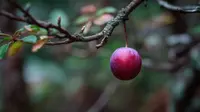
Its small black drupes are mildly astringent to humans but readily eaten by birds, which spread the seeds widely and help shape its natural distribution across Europe and northern Asia.

High shade tolerance

This species can grow and flower in relatively low light conditions within woodland edges and riverbanks, showing higher shade tolerance than many other wild cherry relatives.

Botan icon

Did you know?

In some northern European regions, this species flowers so abundantly along rivers and wetlands that it has been historically used as a seasonal indicator of late spring, marking the transition to the main agricultural growing period.

FAQs about Bird Cherry

Lack of flowers usually comes from deep shade, heavy pruning at the wrong time, or nutrient‑rich but phosphorus‑poor soil. Ensure good light, avoid cutting off last year’s flower buds, and use a balanced, low‑nitrogen fertilizer.

Grow Healthy Plants with Botan Care

Keep your plants happy and healthy with plant identification, disease detection, and easy care guidance.

Botan plant care app — identify plants on mobile

Explore More Plants