Staggered Renewal Pruning
Instead of cutting the whole shrub hard in one year, renew 1/3–1/2 of the oldest stems at ground level each late winter so the plant keeps flowering well without leaving a bare gap in the border.

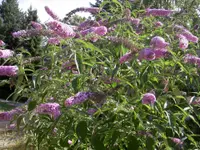
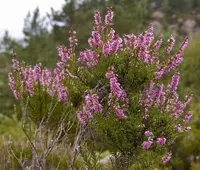
Summer lilac, Buddleja davidii, is a fast-growing deciduous shrub valued for its long, cone-shaped flower clusters that attract butterflies and other pollinators. It typically forms an arching, multi-stemmed shape with gray-green leaves and fragrant blooms in shades of purple, pink, or white.
This species is native to central China but is now widely grown in temperate gardens, especially in North America and Europe. It is generally easy to grow, as it tolerates poor soils, drought once established, and urban conditions.
Full sun, well-drained soil, and moderate moisture support healthy growth and flowering. These traits make it a practical choice for gardeners who want to learn how to care for Summer lilac without complex routines.

Care Difficulty
Easy Care

Light Preference
Full Sun

Water Requirements
Low Water

Temperature Preference
Cold Hardy

Hardiness Zone
5–9

Soil Texture
Sandy, Loamy, Rocky

Soil pH
Acidic (5.5–6.5), Slightly acidic (6.5–7.0)

Soil Drainage
Well-drained

Fertilization
Minimal (feed rarely)
Scan your plant to receive care tips personalized for your specific plant
Available on iOS and Android
This shrub flowers best with strong sun exposure in most climates.
Buddleja davidii prefers drying slightly between waterings once established.
This hardy shrub tolerates a wide temperature range but responds best to moderate conditions.
Humidity is not a major factor for Buddleja davidii, which thrives in typical outdoor air.
This shrub prefers free-draining, moderately fertile soil to avoid root problems and weak growth.
This species can grow successfully in containers outdoors if provided with a stable, well-drained setup.
This shrub flowers best with light, balanced feeding rather than heavy nutrient input, which suits caring for Summer lilac in most gardens.
Pruning Buddleja davidii is important for controlling size and promoting heavy flowering on new wood.
This shrub is usually grown in the ground, so focus on planting and occasional transplanting rather than frequent repotting.
Buddleja davidii is commonly propagated from cuttings, which hold the desired flower color and growth habit.
This shrub is generally cold hardy but benefits from some attention in colder regions and for container-grown plants.

Plant Health Check
Not sure what's wrong with your plant? Check your plant's health inside the app.
This species is unusually attractive to adult butterflies because its nectar is rich in simple sugars and produced continuously through the flowering season, often supporting large numbers of pollinators in urban areas.
In parts of the US, the UK, and New Zealand, this shrub is classed as invasive because its tiny wind‑dispersed seeds colonize disturbed ground, railway lines, riverbanks, and masonry, where it can outcompete many native pioneer plants.
The plant can establish in cracks of walls and old buildings, as its seeds germinate in minimal substrate, and its roots exploit small fissures, which can gradually enlarge masonry gaps over time.

The species originates from central China, where it was first collected for Western horticulture in the 19th century, and modern genetic studies indicate that many garden forms around the world descend from a relatively narrow set of wild populations, reflecting a historical genetic bottleneck linked to early plant introduction history.
Poor flowering usually comes from too little sun, heavy pruning at the wrong time, or overly rich, high-nitrogen fertilizer. Old, woody stems also reduce blooms; renewal pruning and full sun exposure typically restore flowering over a season or two.
Keep your plants happy and healthy with plant identification, disease detection, and easy care guidance.