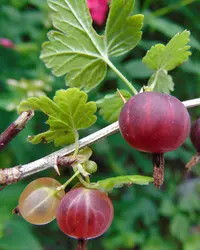
Climbing Orange Care (Zanthoxylum asiaticum)

Also known as: Cockspur Orange, orange climber, Walking-Stick Climber
Climbing Orange

About Climbing Orange

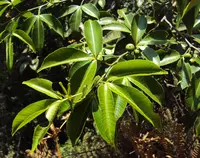
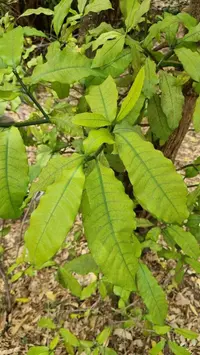
Climbing orange (Zanthoxylum asiaticum) is a woody, thorny climber in the citrus family, often grown as an ornamental vine or trained shrub. It bears glossy, pinnate leaves, prickly stems, and small aromatic flowers that can be followed by decorative, spice-scented fruits.

This species is native to parts of East and Southeast Asia, where it grows in warm, humid forests and thickets. It tends to be vigorous and can become quite large, so it needs space and firm support.

Zanthoxylum asiaticum is generally robust if given moderate light, well-drained soil, and steady moisture without waterlogging. Many gardeners find it straightforward to care for Climbing Orange when these basic needs are met.

Main Plant Requirements

Care Difficulty

Moderate Care

Light Preference

Partial Sun

Water Requirements

Moderate Water

Temperature Preference

Warm Climate

Hardiness Zone

8–11

Soil Texture

Sandy, Loamy, Organic-rich

Soil pH

Acidic (5.5–6.5), Slightly acidic (6.5–7.0)

Soil Drainage

Well-drained

Fertilization

Minimal (feed rarely)

Get Personalized Care Plan

Scan your plant to receive care tips personalized for your specific plant

Available on iOS and Android

How to Care for the Climbing Orange

Zanthoxylum asiaticum prefers bright outdoor conditions with moderate direct sun and protection from extremes.

  • Provide 4–6 hours of direct morning sun with light afternoon shade; strong late-day sun in hot climates can scorch leaves.
  • Tolerates partial shade, but stems of Climbing Orange become sparse and flowering reduced if light drops below about 3–4 sun hours daily.
  • In summer, use dappled or filtered light in very hot regions; in winter, ensure maximum sun exposure to support woody growth and next season’s buds.

This shrub prefers evenly moist but never waterlogged soil, with short dry periods between waterings.

  • Water when the top 3–5 cm of soil feels dry, then soak the root zone thoroughly so moisture reaches 15–20 cm deep.
  • Ensure sharply draining soil; persistent puddling, sour smell, or yellowing, soft leaves indicate overwatering and risk of root rot.
  • In hot, dry weather increase frequency, watching for dull, curling, or dropping leaves; reduce watering in cool seasons as Zanthoxylum asiaticum growth slows.

This species grows best in mild to warm climates with protection from hard frost and extreme heat.

  • Aim for 65–80°F (18–27°C) for active growth, which supports steady leaf and stem development.
  • Mature plants usually tolerate brief drops to about 25–28°F (-4 to -2°C), but young plants are more damaged and benefit from frost cloth or wind shelter.
  • In heat above 90°F (32°C), provide afternoon shade and mulch to keep roots cooler, and avoid planting in reflected heat pockets near walls or paving.

This species handles a wide humidity range but grows best with moderate ambient moisture.

  • Aim for 40–60% humidity; it tolerates brief dips lower but prolonged very dry air can slow growth.
  • Dry leaf tips, rolling edges, and fine twig dieback indicate humidity stress in Climbing Orange, especially in heated rooms.
  • Raise humidity with a nearby open tray of water and stones, grouping plants, or a room humidifier rather than misting leaves.

Zanthoxylum asiaticum prefers loose, well-drained, moderately fertile soil that does not stay waterlogged.

  • Use a loamy mix with 40–60% organic matter such as compost plus mineral components like sand or fine grit for structure.
  • Ensure rapid drainage; water should pass through within seconds and the top 2–3 cm should dry between waterings to protect roots from rot.
  • Target a slightly acidic to neutral pH of 6.0–7.0, avoiding very acidic or chalky soils that can limit nutrient uptake.
  • Improve aeration in heavy or clay-based mixes by blending in coarse sand, fine bark, or perlite at about 20–30% of the total volume.

This species can be grown in containers when given enough root space and stable support.

  • Choose a deep, heavy pot that resists tipping as woody stems and climbing growth increase the plant’s leverage in wind.
  • Select containers with large, unobstructed drainage holes so excess irrigation water exits within seconds rather than pooling at the base.
  • Use a slightly wider-than-deep shape to allow lateral root spread while keeping the root ball compact enough for efficient moisture use.

Zanthoxylum asiaticum benefits from modest feeding but often manages in reasonably fertile soil.

  • Use a balanced, slow-release fertilizer (for example 10-10-10) or a light layer of compost at the start of spring.
  • Apply fertilizer every 6–8 weeks during the main growing season if growth or leaf color seems weak.
  • Dilute liquid feeds to 1/2 strength to avoid root burn, especially in containers.
  • Stop feeding in late summer so growth hardens before winter and avoid fertilizing during dormancy.

Zanthoxylum asiaticum responds well to light, structured pruning to maintain size and encourage healthy framework.

  • Carry out main pruning in late winter or very early spring before new growth starts.
  • Remove dead, diseased, crossing, or inward-growing branches to improve airflow and reduce pest issues.
  • Shorten overly long shoots to shape the canopy and keep the plant within its space.
  • Use sharp, clean bypass pruners and make angled cuts just above outward-facing buds or branch junctions.

Climbing Orange is usually grown in the ground, so focus on careful transplanting rather than frequent repotting.

  • Plan transplanting for early spring or early fall when temperatures are mild and soil is workable.
  • Look for signs like roots circling the container, slow growth, or quick drying soil in potted plants.
  • Move to a hole or pot only 1–2 sizes larger, keeping the root ball intact and at the same soil level.
  • Water thoroughly after planting, then keep soil evenly moist and shaded from harsh sun for 1–2 weeks to limit stress.

Zanthoxylum asiaticum is commonly propagated from seed or semi-ripe cuttings under warm, sheltered conditions.

  • Sow fresh seed in late winter–spring in a free-draining mix; some seed benefits from brief cold stratification to break dormancy.
  • Take semi-ripe cuttings in mid to late summer, 8–10 cm long, with a few leaves retained.
  • Dip cuttings in rooting hormone, place in a moist, airy substrate, and keep humidity high with bright, indirect light.
  • Layering low, flexible stems into soil can also work; sever and transplant once strong new roots form.

Zanthoxylum asiaticum is moderately cold hardy and in many regions needs only minimal winter attention.

  • In colder zones, apply a 5–8 cm mulch layer over the root zone in late fall, keeping it away from the trunk.
  • Avoid heavy winter watering; keep soil just barely moist for container plants.
  • Move potted specimens into a sheltered, frost-free but cool spot if temperatures drop well below freezing.

Care Tips

Provide Climbing Support

Install a sturdy trellis, pergola, or tensioned wires early on and gently tie new shoots with soft ties so the vine can anchor and form a well-structured framework instead of tangling on itself or nearby plants.

Manage Thorns Safely

Wear thick gloves and long sleeves when pruning or tying stems, and position main canes away from walkways or seating areas to reduce accidental scratches as the plant matures and develops stronger spines.

Encourage Lateral Branching

Once main stems reach the desired height, pinch or lightly tip-prune the ends of vigorous leaders to stimulate side shoots, which improves canopy density and fruit or seed production potential.

Monitor For Citrus Pests

Inspect undersides of leaves and young stems every 2–3 weeks for scale insects, aphids, or leaf miners, and treat early with horticultural oil or insecticidal soap, which is especially important when caring for Climbing Orange in mild climates where pests stay active longer.

Winter Root Protection

In marginal climates, apply a 5–8 cm layer of organic mulch over the root zone in late fall, keeping it a few cm away from the stem base, to buffer soil temperature swings and reduce cold-related root stress.

Common Pests and Diseases

Citrus psyllids

This pest feeds on young shoots and leaves, causing cupping, distortion, and sticky honeydew that can lead to sooty mold. Symptoms include reduced new growth and general decline in vigor.

Solution

Prune and destroy heavily infested shoot tips, then hose down foliage to remove nymphs and honeydew. For persistent problems, use a targeted insecticidal soap or horticultural oil spray on the undersides of young leaves, and avoid excessive nitrogen fertilization that encourages soft, flush growth.

Citrus leaf miners

This pest creates silvery, winding tunnels inside young leaves, which may curl, twist, and appear distorted. Symptoms include slowed growth and a ragged look to new foliage, but mature leaves are usually less affected.

Solution

Remove and dispose of heavily damaged young leaves to reduce the larval population. Encourage good overall vigor, avoid strong pruning that triggers soft flushes, and apply horticultural oil to new growth during peak leaf‑flush periods to deter egg‑laying as part of Zanthoxylum asiaticum plant care.

Scale insects

These insects attach to stems and leaf undersides, appearing as small, immobile bumps that excrete honeydew. Symptoms include sticky leaves, sooty mold, and gradual yellowing or thinning of foliage.

Solution

Gently scrape or wipe individual scales off with a cotton pad dipped in rubbing alcohol, and prune heavily infested twigs. For wider infestations, apply horticultural oil thoroughly to stems and leaf undersides, repeating as needed while monitoring beneficial insects such as lady beetles.

Canker

This disease causes sunken, discolored lesions on stems or branches, sometimes with cracking bark and dieback beyond the affected area. Symptoms include twig death, sparse foliage, and poor overall growth where lesions girdle the stem.

Solution

Prune out affected branches at least 10–15 cm below visible lesions, disinfecting pruning tools between cuts, and dispose of infected material away from the plant. Improve air circulation, avoid overhead watering, and reduce plant stress through proper watering and balanced fertilization to support recovery and resistance.

Leaf spot

This disease produces small brown, purple, or black spots on leaves that can merge and cause partial yellowing and early leaf drop. Symptoms include a speckled appearance on foliage and thinning of the canopy if spotting is severe.

Solution

Remove and discard fallen and heavily spotted leaves to reduce inoculum, and water at the soil level rather than on foliage. If conditions stay warm and humid, apply a suitable copper‑based or other labeled fungicide according to instructions, while improving spacing and airflow around the plant.

Interesting Facts

Prickly citrus relative

This species belongs to the same family as citrus trees (Rutaceae) but forms a woody climber with hooked spines instead of a typical tree, allowing it to scramble over other vegetation for support.

Szechuan pepper source

The dried seed husks of this plant are one of the traditional sources of Sichuan-style pepper, valued for their distinctive tingling and numbing sensation caused by compounds such as hydroxy-alpha-sanshool.

Complex floral structure

Its small, yellowish-green flowers are functionally unisexual and often borne in separate male and female clusters, an arrangement that promotes cross-pollination by insects in its native Asian habitats.

Botan icon

Did you know?

Mature stems of this climbing shrub develop stout, backward-curving prickles along the ridged branches, which not only help the plant anchor itself into surrounding vegetation but also offer effective mechanical defense against browsing animals.

FAQs about Climbing Orange

This species is a woody, scrambling climber with hooking prickles that grip nearby structures. It naturally twines and leans through shrubs, fences, or trellises rather than forming a neat vine or a tidy, self-supporting shrub.

Grow Healthy Plants with Botan Care

Keep your plants happy and healthy with plant identification, disease detection, and easy care guidance.

Botan plant care app — identify plants on mobile

Explore More Plants