Encourage Compact Growth
Pinch back soft stem tips in late spring and early summer to keep plants low, bushy, and more wind-resistant while stimulating a fresh flush of aromatic foliage.

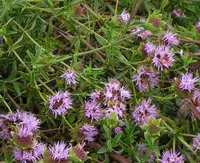
Mountain monardella (Monardella odoratissima) is a compact, aromatic perennial in the mint family, valued for its fragrant foliage and clusters of tubular pink to lavender flowers. It typically forms low, mounded clumps and is often grown in rock gardens, dry borders, or naturalistic plantings for both ornamental and pollinator value.
This species is native to dry, rocky slopes and open conifer woodlands of western North America, especially in mountainous regions. It is adapted to lean, fast-draining soils and generally prefers full sun with low to moderate moisture.
Because it comes from tough, upland habitats, it can be relatively easy to grow if drainage is good and watering is not excessive. Understanding these natural conditions helps explain how to care for mountain monardella in gardens or containers.

Care Difficulty
Moderate Care

Light Preference
Full Sun

Water Requirements
Low Water

Temperature Preference
Cold Hardy

Hardiness Zone
4–9

Soil Texture
Sandy, Loamy, Rocky

Soil pH
Slightly acidic (6.5–7.0), Neutral (7.0)

Soil Drainage
Well-drained

Fertilization
Minimal (feed rarely)
Scan your plant to receive care tips personalized for your specific plant
Available on iOS and Android
This aromatic mountain wildflower prefers bright, open conditions similar to its native montane habitats.
This drought-tolerant perennial prefers infrequent, deep watering once established.
This hardy mountain mint is adapted to cool nights and moderate summer heat.
This species is adapted to dry mountain air, so humidity is rarely a concern indoors or outdoors.
Monardella odoratissima prefers lean, fast-draining, mineral soils that never stay waterlogged.
This species is suitable for container growing where sharp drainage can be controlled.
This drought-adapted mountain monardella needs only light, careful feeding to avoid soft, weak growth.
Monardella odoratissima responds well to light, timely pruning that maintains a compact, floriferous mound.
This species is most often grown in the ground, where careful transplanting matters more than frequent repotting.
Monardella odoratissima is commonly propagated from seed and by careful division of mature clumps.
This species is cold hardy in much of its native range and generally needs only minimal winter care.

Plant Health Check
Not sure what's wrong with your plant? Check your plant's health inside the app.
This species naturally occurs in dry, open montane habitats of western North America, often between about 1,200–3,000 m where few other mint relatives tolerate such cold, windy conditions.
The foliage releases a strong, sweet-minty scent when crushed due to volatile essential oils, which help deter some herbivores while attracting specialized pollinators that cue in on the fragrance.
In its native range, this plant can be a key nectar source for native bees, butterflies, and day-flying moths during mid to late summer, especially in rocky or disturbed mountain sites where floral resources are limited.

The species name odoratissima means very fragrant in Latin, referring to the unusually strong scent of the leaves and flowers compared with many closely related mountain mints.
Poor flowering usually comes from excessive shade, heavy feeding with high-nitrogen fertilizer, or old, woody stems. Deadhead spent blooms, lightly trim after flowering, avoid rich fertilization, and ensure several hours of direct light to encourage next season’s buds.
Keep your plants happy and healthy with plant identification, disease detection, and easy care guidance.