Bonnaya ciliata Care

Bonnaya ciliata

About Bonnaya ciliata

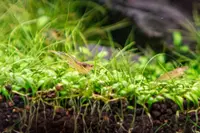
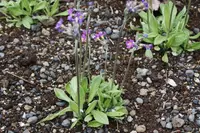
Bonnaya ciliata is a small, creeping herbaceous plant in the Linderniaceae family, often found in moist, open habitats. It typically forms low mats with delicate, opposite leaves and small, tubular flowers that can give a soft, ornamental look in shallow-water or boggy settings.

This species occurs naturally in parts of tropical and subtropical Asia, where it grows in wet soils, along stream banks, and in periodically flooded ground. It is generally considered a niche plant for hobbyists, as its need for constant moisture and suitable light makes it moderately challenging for beginners.

Those who care for Bonnaya ciliata should provide consistently damp, fine-textured soil and gentle, bright light, avoiding prolonged drying or harsh, direct sun.

Main Plant Requirements

Care Difficulty

Moderate Care

Light Preference

Partial Shade

Water Requirements

Keep Soil Moist

Temperature Preference

Tropical / Frost Sensitive

Hardiness Zone

Unknown

Soil Texture

Loamy, Silty, Organic-rich

Soil pH

Acidic (5.5–6.5), Slightly acidic (6.5–7.0)

Soil Drainage

Moist but well-drained

Fertilization

Light (every 4–6 weeks)

Get Personalized Care Plan

Scan your plant to receive care tips personalized for your specific plant

Available on iOS and Android

How to Care for the Bonnaya ciliata

This species prefers bright, gentle light similar to open woodland edges.

  • Provide 3–5 hours of soft morning sun with bright, filtered light or high dappled shade for the rest of the day, avoiding harsh midday and late-afternoon sun.
  • Tolerates light shade, but stems may stretch and flowering may decrease if light stays below bright shade levels for many weeks.
  • In summer, protect Bonnaya ciliata from reflected heat and direct midday sun to prevent leaf scorch; in winter, remove shade cloths or obstructions to maximize available light.

This plant prefers evenly moist but not saturated soil.

  • Water when the top 2–3 cm of soil feels dry, using enough water to moisten the root zone, then let excess drain away so the soil does not stay soggy.
  • During active growth, check moisture more often, especially in warm, windy weather; in cooler seasons, allow the surface to stay dry slightly longer between waterings.
  • Watch for yellowing, soft leaves as a sign of overwatering and crisp, drooping leaves or shrinking stems as a sign the plant is staying too dry.

This species prefers warm, frost-free conditions.

  • Aim for 68–80°F (20–27°C) for steady growth, with short periods up to about 86°F (30°C) tolerated if soil moisture and shade are adequate.
  • Avoid cold: growth slows below 60°F (16°C), and damage is likely below 50°F (10°C), especially in damp, windy conditions.
  • Protect from frost entirely, as freezing temperatures can kill stems and roots; in cooler seasons, choose the warmest, most sheltered microclimate available.

This species prefers moderately high humidity to keep foliage healthy and flowering consistent.

  • Aim for 50–70% humidity; lower levels slow growth and may dull leaf color.
  • Tolerates short periods of dry indoor air, but leaf edges may brown and buds may drop when air stays under 40%.
  • Increase humidity with a nearby humidifier, grouped plants, or a pebble tray rather than misting foliage frequently.

This plant performs best in a light, moist, well-drained substrate that does not compact.

  • Use a loose mix of 50–60% peat or coco coir with 20–30% perlite and 10–20% fine bark to combine moisture retention with aeration.
  • Ensure fast drainage; water should flow through in seconds and the mix should feel springy, not sticky or dense.
  • Target slightly acidic to neutral pH around 6.0–7.0, which supports nutrient availability for Bonnaya ciliata.
  • Avoid heavy clay, unamended garden soil, or mixes that stay wet for days, as these conditions promote root rot and oxygen deficiency.

This compact species adapts well to container growing when moisture and drainage are controlled carefully.

  • Choose a wide, shallow pot to match its relatively fine, spreading roots and reduce the risk of waterlogged lower layers.
  • Select plastic or glazed ceramic if fast drying is a concern, since these materials slow evaporation and keep the mix evenly moist.
  • Place the pot in a stable cachepot or on a secure tray so trailing or spreading growth cannot tip the container as it gains mass.

Light, balanced feeding supports compact growth and flowering in Bonnaya ciliata without forcing weak, lush shoots.

  • Use a balanced, water-soluble fertilizer (around 10-10-10 or 20-20-20) diluted to 1/4–1/2 strength.
  • Feed every 4–6 weeks during spring–summer while the plant is actively growing.
  • Skip or halve feedings in fall–winter when growth slows or the plant is semi-dormant.
  • Avoid heavy compost or rich slow-release pellets that can cause leggy, soft growth in small container plants.

Pruning helps keep Bonnaya ciliata compact, tidy, and encourages branching with more flowering tips.

  • Best time is late winter or early spring before strong new growth starts.
  • Remove dead, damaged, or crossing stems with clean, sharp scissors or small pruning shears.
  • Lightly shorten leggy or uneven shoots to shape the plant and promote bushier growth.
  • Pinch soft tips during the growing season to increase branching and flower production.

Repotting keeps container-grown Bonnaya ciliata healthy by renewing soil and giving roots space.

  • Plan to repot every 1–2 years in spring when roots circle the pot or growth slows despite good care.
  • Choose a pot only 2–3 cm wider with drainage holes and a light, well-draining mix.
  • Gently loosen circling roots, trim damaged ones, and set the plant at the same soil level.
  • Water thoroughly after repotting, then keep in bright, indirect light for 3–7 days to reduce transplant stress.

Bonnaya ciliata is commonly propagated from softwood cuttings and sometimes from seed under warm, stable conditions.

  • Take 5–8 cm non-flowering stem cuttings in late spring–summer.
  • Remove lower leaves, optionally dip the base in rooting hormone, and place in moist, free-draining mix.
  • Maintain 70–80°F, high humidity, and bright, indirect light until roots form in a few weeks.
  • Sow fresh seeds on the surface of fine mix, keep slightly moist, and provide warmth for even germination.

This species is frost sensitive and needs protection from freezing temperatures, especially in containers.

  • In regions below 40°F, grow Bonnaya ciliata in pots that can be moved indoors for winter.
  • Provide bright, cool indoor light and reduce watering while growth is slow.
  • If planted outdoors in mild climates, mulch lightly around the root zone, keeping mulch off stems.

Care Tips

Use shallow trays

Grow plants in wide, shallow trays or bowls rather than deep pots, as the fine, surface‑oriented roots spread horizontally and stay healthier with better aeration and even moisture distribution.

Rotate under lights

If grown under artificial light, rotate the container 90° every 5–7 days so stems stay compact and upright instead of leaning toward the strongest light source.

Pinch for branching

Lightly pinch back the soft stem tips at the start of the growing season to encourage denser side branching and a fuller mat of foliage instead of long, sparse runners.

Refresh surface layer

Once or twice a year, gently scrape away the top 0.5–1 cm of spent mix and replace it with fresh, fine-textured medium to reduce salt buildup and keep the delicate root zone active near the surface, which is important when growing Bonnaya ciliata.

Monitor for mites

Inspect leaf undersides with a hand lens every 2–3 weeks and, at the first sign of stippling or webbing, isolate the plant and treat promptly with a gentle miticide or insecticidal soap to prevent rapid decline from spider mite infestations.

Common Pests and Diseases

Spider mites

This pest attacks the soft foliage, especially when air is warm and dry, causing stippled, dull leaves and fine webbing on stems and leaf undersides.

Solution

Rinse the plant thoroughly with lukewarm water, including the leaf undersides, then maintain higher humidity and isolate the plant; for persistent infestations, apply a ready-to-use insecticidal soap or neem oil spray every 5–7 days until no new damage appears.

Mealybugs

These insects feed on sap and gather in leaf axils and along stems, leaving white, cottony clusters and sticky honeydew that can lead to sooty mold.

Solution

Remove visible insects with a cotton swab dipped in 70% isopropyl alcohol, then treat the whole plant with insecticidal soap, repeating weekly and checking tight leaf joints and nodes where mealybugs tend to hide.

Leaf spot

This disease causes water-soaked or brown spots on the thin leaves, often with a yellow halo, which can merge into larger dead patches under prolonged leaf wetness or poor air movement.

Solution

Remove and discard affected leaves, avoid overhead watering, and improve airflow around the plant; if new spots continue to appear, apply a labeled copper- or chlorothalonil-based fungicide according to directions and keep foliage as dry as possible.

Botrytis blight

This disease thrives in cool, humid conditions and leads to soft, gray, fuzzy mold on spent flowers, stems, and damaged leaves, sometimes causing tissue collapse.

Solution

Promptly remove faded blooms and any mushy or moldy tissue, increase air circulation, and avoid crowding; in severe or recurring cases, use a general ornamental fungicide labeled for Botrytis and keep the plant in a drier, well-ventilated position.

Interesting Facts

Aquatic creeping habit

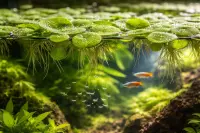
This species grows as a small creeping herb in shallow freshwater habitats, rooting at the nodes along muddy or sandy margins of streams, ponds, and paddy fields.

Tiny opposite leaves

The plant has very small, opposite leaves with a characteristic ciliolate margin, meaning the edge carries fine hair-like projections that give the species its name ciliata.

Pale blue tubular flowers

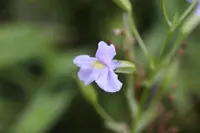
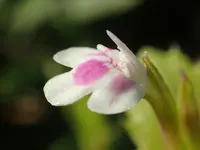
It produces delicate, pale blue to bluish-purple tubular flowers with a 2-lipped corolla, typical of the family Linderniaceae, and often blooms close to the water surface or on exposed wet mud.

FAQs about Bonnaya ciliata

Lack of flowering often results from insufficient light intensity, depleted nutrients, or stress from irregular watering. Provide stable conditions, modest feeding during the growing season, and avoid frequent repotting to support reliable bud and flower production.

Grow Healthy Plants with Botan Care

Keep your plants happy and healthy with plant identification, disease detection, and easy care guidance.

Botan plant care app — identify plants on mobile

Explore More Plants