


Contain Surface Spread
Use floating plant rings or a sectioned-off area of the tank or pond to keep the plant from covering the entire surface and blocking gas exchange for fish and submerged plants.

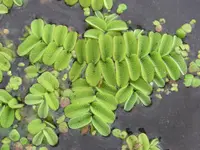
Floating fern (Salvinia natans) is a free-floating aquatic fern often used in ponds and aquariums. It forms loose mats of small, oval leaves that sit on the water surface.
The leaves have a softly textured, slightly hairy surface that helps them repel water, while the roots hang below and provide cover for fish and small aquatic life. It occurs naturally in slow-moving rivers, lakes, and canals across parts of Europe and Asia.
This species grows fast under stable conditions and can be easy to manage once you understand how to care for Floating fern, but it may spread aggressively if nutrients and light are abundant.

Care Difficulty
Easy Care

Light Preference
Partial Shade

Water Requirements
Aquatic

Temperature Preference
Tropical / Frost Sensitive

Hardiness Zone
Unknown

Soil Texture
Organic-rich, Silty

Soil pH
Slightly acidic (6.5–7.0), Neutral (7.0)

Soil Drainage
Waterlogged tolerant

Fertilization
Minimal (feed rarely)
Scan your plant to receive care tips personalized for your specific plant
Available on iOS and Android
This free-floating aquatic fern thrives in bright, indirect light with protection from harsh midday sun.
As a floating aquatic species, this fern depends on stable, clean, still or slow-moving water rather than soil moisture.
This floating fern prefers mild to warm conditions and declines quickly in cold or frosty weather.
This floating aquatic fern prefers very high ambient humidity to keep fronds hydrated and functioning well.
This species does not root in soil and instead floats freely on water, so substrate only matters if used for aquascaping or nutrient support.
This species is highly suitable for containers, especially shallow ponds, tubs, and aquariums.
Nutrient needs for Salvinia natans are low, especially in lightly stocked or established ponds.
Pruning helps keep Salvinia natans from covering the entire water surface and maintains healthy growth.
As a free-floating aquatic fern, this species is not repotted in the usual sense but is occasionally thinned or moved between containers.
Propagation of Salvinia natans is straightforward through vegetative division of floating clusters.
This tropical floating fern is frost-sensitive and needs active winter management in most temperate climates.

Plant Health Check
Not sure what's wrong with your plant? Check your plant's health inside the app.
The leaf surface is covered with tiny waxy hairs that trap air, making it strongly water-repellent so the fronds stay dry and float at the water surface.
Each node produces three leaves: two flat floating leaves and one submerged, root-like modified leaf that increases nutrient uptake and stability instead of forming true roots.
In temperate regions it behaves mainly as an annual, completing its life cycle in one growing season and surviving winter mostly as dormant spores in the sediment.

In parts of central and eastern Europe, this species has declined enough to be regionally protected and is listed in some national Red Data Books, making it a legally protected aquatic fern in certain countries.
Yellowing fronds often indicate nutrient deficiency, overcrowding, or too little light. Thin dense mats, improve water circulation, and provide balanced aquatic fertilizer if nutrients are low. Also check for sudden temperature swings or recent chemical treatments.
Keep your plants happy and healthy with plant identification, disease detection, and easy care guidance.

fishtail swordfern
Nephrolepis falcata
Turkish Towel
Chondracanthus exasperatus
 POPULAR
Purple pitcher plant
Sarracenia purpurea
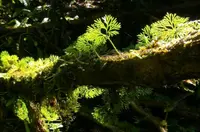
peltate tonguefern
Elaphoglossum peltatum
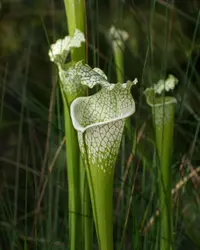
White pitcher plant
Sarracenia leucophylla
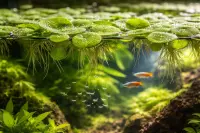
Water spangles
Salvinia minima
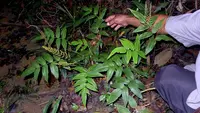
Anemia phyllitidis
Anemia phyllitidis
vegetable fern
Diplazium esculentum