Managed shrub shape
Pinch back soft shoot tips in late spring to keep the plant compact, improve air flow through the canopy, and reduce the risk of fungal issues on dense inner growth.

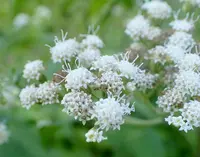
Havana snakeroot, Ageratina havanensis, is a woody perennial shrub native to Texas, Mexico, and the Caribbean. It typically forms a compact, bushy mound with many branching stems. Its small, oval leaves and clusters of fluffy white flowers give it a light, airy look that attracts butterflies and other pollinators in late season. The plant is generally tough and forgiving, which makes it fairly simple to care for Havana snakeroot in low-maintenance landscapes. It prefers sunny, well-drained sites and tolerates dry conditions once established, so it suits water-wise gardens and naturalistic plantings.

Care Difficulty
Easy Care

Light Preference
Full Sun

Water Requirements
Moderate Water

Temperature Preference
Warm Climate

Hardiness Zone
8–11

Soil Texture
Sandy, Loamy, Rocky

Soil pH
Slightly acidic (6.5–7.0), Slightly alkaline (7.0–7.5)

Soil Drainage
Well-drained

Fertilization
Minimal (feed rarely)
Scan your plant to receive care tips personalized for your specific plant
Available on iOS and Android
This sun-loving North American perennial thrives in bright outdoor conditions with some protection from harsh extremes.
This drought-tolerant shrub prefers thorough watering followed by a clear drying period in well-drained soil.
This species is best suited to warm climates with mild winters and tolerates a range of outdoor temperatures.
This species grows well in average outdoor humidity and usually does not need special humidity management.
This shrub prefers well-drained, moderately fertile soil that does not stay waterlogged.
This species can be grown in containers if the pot is chosen and managed carefully for its shrub-like growth.
This drought-tolerant native shrub needs only modest feeding under typical garden conditions.
Pruning Ageratina havanensis keeps the shrub compact, encourages branching, and supports consistent flowering.
This species is usually grown in the ground, so focus on thoughtful transplanting rather than frequent repotting.
Ageratina havanensis is commonly propagated from semi-woody cuttings, divisions, or seeds in mild climates.
This shrub is generally cold hardy in its suitable zones and usually needs only minimal winter care.

Plant Health Check
Not sure what's wrong with your plant? Check your plant's health inside the app.
This species flowers very late in the season, often from late fall into early winter, providing nectar and pollen for butterflies, moths, and other insects when few other native shrubs are in bloom in its range.
In the wild it is most often found on limestone hills and rocky outcrops in Texas and northeastern Mexico, showing a strong tolerance for alkaline, thin, and well-drained soils that many shrubs find challenging.
Unlike many related tropical and subtropical snakeroots, this shrub tolerates light freezes and can survive short periods of temperatures below 32°F, which allows it to persist in the colder parts of its native Texas range.

Ageratina havanensis is one of the few woody members of its genus in North America, forming a long-lived, multi-stemmed shrub rather than the short-lived herbaceous perennials more typical of Ageratina species.
This shrub is highly attractive to pollinators. Its fragrant, late-season white flower clusters provide abundant nectar for native bees, butterflies, and other beneficial insects, making it valuable in wildlife gardens and pollinator-friendly landscapes.
Keep your plants happy and healthy with plant identification, disease detection, and easy care guidance.