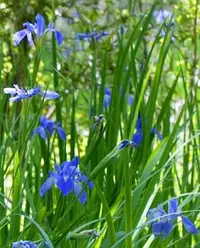
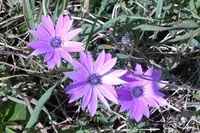
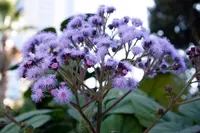
devil's bite Care (Liatris scariosa)

Also known as: savanna blazing star, northern blazing star
devil's bite

About devil's bite

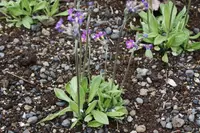
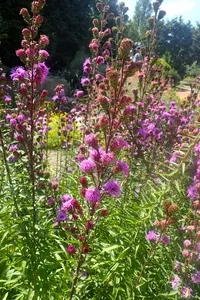
Devil's bite (Liatris scariosa) is a perennial wildflower in the aster family, valued for its tall spikes of purple, tufted flower heads. It forms upright clumps from a hardy root system, with narrow leaves low on the stem and showy blooms held well above the foliage.

This species is native to eastern North America, where it grows in dry prairies, open woodlands, and rocky slopes. It is generally considered easy to grow because it tolerates drought, poor soils, and summer heat once established.

Plants prefer full sun, well-drained soil, and moderate to low moisture. Understanding these natural conditions helps gardeners know how to care for devil's bite in home landscapes.

Main Plant Requirements

Care Difficulty

Easy Care

Light Preference

Full Sun

Water Requirements

Low Water

Temperature Preference

Cold Hardy

Hardiness Zone

4–9

Soil Texture

Sandy, Loamy, Rocky

Soil pH

Acidic (5.5–6.5), Slightly acidic (6.5–7.0)

Soil Drainage

Well-drained

Fertilization

Minimal (feed rarely)

Get Personalized Care Plan

Scan your plant to receive care tips personalized for your specific plant

Available on iOS and Android

How to Care for the devil's bite

Liatris scariosa thrives in strong sun and produces best flower spikes with open exposure.

  • Provide 6–8 hours of direct sun daily; full sun is ideal for dense, upright flowering stems.
  • Accepts light afternoon shade in hot climates, but too much shade causes weak, floppy growth and fewer blooms on devil's bite.
  • Choose an unshaded site with minimal competition; ensure taller plants or structures do not block peak midday sun, especially in summer.

This species prefers dry to moderately moist conditions and is sensitive to standing water.

  • Allow the top 5–7 cm of soil to dry before watering; in typical garden soil this often means waiting until foliage just begins to lose slight turgor.
  • During hot, dry spells, water deeply but infrequently, ensuring the root zone is soaked once, then allowed to drain fully.
  • Signs of overwatering include yellowing lower leaves and soft, rotting crowns; very dry, curling foliage and slow bud development indicate underwatering for Liatris scariosa.

This prairie perennial is adapted to outdoor temperature variation but has clear limits for growth and survival.

  • Active growth is strongest at 65–80°F (18–27°C), supporting sturdy stems and reliable flowering.
  • Established plants survive winter cold down to about -20°F (-29°C) in the ground when soil drains well and crowns are not waterlogged.
  • Summer heat up to 90–95°F (32–35°C) is tolerated if roots are in well-drained soil; prolonged extremes above this with drought can stunt flowering.

Humidity is not a significant factor for Liatris scariosa, which thrives in typical outdoor air.

Liatris scariosa prefers lean, fast-draining soil that mimics dry prairie or open meadow conditions.

  • Use sandy or gravelly loam with low to moderate organic matter to prevent overly rich, moisture-holding conditions.
  • Aim for slightly acidic to neutral pH around 6.0–7.0, avoiding strongly acidic or alkaline substrates that limit nutrient uptake.
  • Blend coarse sand or fine gravel into native soil or potting mix to increase drainage and root-zone aeration.
  • Avoid compacted clay, consistently wet sites, or heavy peat-based mixes that keep the crown damp and prone to rot.

This species can grow in containers if the pot mimics its deep, well-drained native conditions.

  • Select a tall, relatively narrow container to give the taproot depth while limiting excess side volume that can stay wet.
  • Use a heavy, stable pot or add stones at the base to reduce tipping as the tall flower spikes develop.
  • Raise the container on pot feet or bricks so drainage holes clear the ground and water exits rapidly after rain or watering.

Liatris scariosa is a lean-soil native that needs only light feeding in most garden settings.

  • Use a balanced, slow-release fertilizer (for example 10-10-10) at low label rates in early spring for container or very poor soils.
  • Supplement with a thin layer of compost around clumps once a year to support soil life rather than rapid growth when caring for devil's bite.
  • Avoid fertilizing during flowering peaks and stop feeding completely as growth slows in late fall and winter.
  • Always apply fertilizers to moist soil and, for liquid products, dilute to 1/2–1/4 strength to prevent root burn.

Liatris scariosa responds well to light, targeted pruning that maintains tidy growth and supports flowering.

  • Deadhead spent flower spikes in mid to late summer using clean hand pruners to encourage a neater look and sometimes a light rebloom.
  • Remove dead, broken, or pest-damaged stems at the base whenever noticed to reduce disease pressure.
  • In late fall or very early spring, cut back dry stems to 2–5 cm above soil level to refresh the plant while leaving the crown undisturbed.
  • Leave some seed heads over winter if wildlife value is desired, then trim them off before new shoots emerge.

This species is usually grown in-ground, so focus on careful transplanting rather than frequent repotting.

  • Transplant in early spring or early fall, when temperatures are mild and soil is workable, to reduce stress on the fibrous roots and corms.
  • Look for signs like slow recovery after watering, roots circling a nursery pot, or plants heaving from the soil as cues to move or up-pot.
  • Dig a wide, shallow hole, lifting the clump with as much root and surrounding soil as possible to keep the root system intact.
  • Replant at the same depth in well-drained soil, water thoroughly, then keep evenly moist (not waterlogged) for 2–3 weeks to support re-establishment.

This plant is commonly propagated by seed or by careful division of mature clumps.

  • Sow ripe seeds outdoors in fall so natural winter cold provides stratification, which is a chilling period that breaks dormancy.
  • For spring seed starting indoors, give 4–6 weeks of moist cold at 35–40°F, then germinate in bright light at 65–70°F.
  • Divide older clumps in early spring, when new shoots are just emerging, lifting and separating sections with several buds and healthy roots.
  • Replant divisions promptly in well-drained soil, water in thoroughly, and keep evenly moist until new top growth is steady.

This is a cold-hardy perennial that usually needs minimal winter care in its outdoor hardiness range.

  • Tolerates typical winter frost in most temperate regions once established, especially in well-drained soil.
  • After hard frost, allow stems to dry, then cut back to a low stubble or leave standing for wildlife interest until late winter.
  • Apply a light mulch layer (5–7 cm) of leaves or straw over the root zone in colder areas, keeping mulch off the crown to prevent rot.
  • Container plants in very cold climates benefit from moving to a sheltered, unheated but frost-free or minimally protected spot.

Care Tips

Staggered Planting Blocks

Plant in groups of 5–9 with staggered spacing rather than a single row to create mutual wind protection and a fuller floral display that also supports more pollinators.

Pinch First Buds

On young clumps in their first flowering year, remove the very first central buds to encourage stronger basal growth and more evenly sized flowering spikes the following season.

Minimal Staking Method

If grown in windy or exposed sites, place 2–3 discreet stakes around the clump and connect them with natural twine as a loose corral rather than tying each stem, which keeps spikes upright without damaging them.

Seed Head Management

Leave some spent flower spikes to mature and dry fully for self-seeding and wildlife value, but cut others before seed drop to prevent overcrowding and maintain a controlled planting.

Winter Marking And Mulch

After frost knocks back the foliage, leave short stubs as markers, then apply a light, free-draining mulch around but not on top of the crowns so you can easily locate plants and protect them while caring for devil's bite in cold climates.

Common Pests and Diseases

Aster yellows

This disease causes tufted, stunted growth, distorted flower heads, and off-color or greenish blooms on affected stalks.

Solution

Remove and destroy symptomatic plants as soon as noticed, since there is no cure, and control leafhopper vectors by maintaining weed-free borders and using floating row covers or targeted insecticidal soap when leafhopper pressure is high.

Leaf spot

This disease produces small tan to brown spots on leaves that may merge, causing premature yellowing and defoliation in humid or crowded plantings.

Solution

Remove and discard affected foliage, avoid overhead watering, improve spacing for better airflow, and if spotting is severe, apply a labeled copper or chlorothalonil fungicide during extended wet periods.

Powdery mildew

This disease appears as white, powdery patches on leaves and stems, sometimes leading to distorted growth and reduced vigor later in the season.

Solution

Provide full sun and good air circulation, water at the base in the morning, remove heavily infected leaves, and use a labeled sulfur or potassium bicarbonate spray at the first sign of mildew if it recurs annually.

Aphids

These insects cluster on stems and buds, sucking sap and causing curling foliage, sticky honeydew, and sometimes sooty mold on leaves and flower spikes.

Solution

Spray colonies off with a strong stream of water, encourage natural predators such as lady beetles, and, if needed, treat young stems and undersides of leaves with insecticidal soap or a light horticultural oil, repeating every 5–7 days until populations collapse.

Leafhoppers

These insects feed on leaves and can cause pale stippling, leaf edge yellowing, and may transmit aster yellows to plants in sunny borders and meadows.

Solution

Reduce nearby weeds that harbor leafhoppers, use fine mesh row covers where practical, and if monitoring shows high numbers, apply insecticidal soap or a low-impact systemic product labeled for ornamental use, focusing on early-season control to lower disease transmission risk.

Interesting Facts

Specialized bumblebee pollination

The flower spikes are primarily pollinated by long-tongued bumblebees that can easily reach nectar in the dense, fluffy flower heads, making this species an important late-season resource for native bee populations in eastern North America.

Prefers fire-managed habitats

This species is naturally associated with dry, open habitats such as barrens and glades that historically burned periodically, and it often declines when these sites become shaded through fire suppression and woody plant encroachment.

Unusual flower sequence

The flower heads on each spike typically open from the top downward, opposite to many other flowering spikes, creating a distinctive bloom pattern that helps botanists separate it from related blazing star species.

Botan icon

Did you know?

Some state and regional conservation assessments list certain populations of this species as vulnerable or uncommon because its native habitats, such as dry rocky barrens and open oak woodlands, have been fragmented or lost through development and suppression of natural fire regimes.

FAQs about devil's bite

Lack of flowers usually comes from insufficient light, too much nitrogen fertilizer, or plants that are still immature. Crowding, heavy competition from weeds, or recent division can also delay flowering, even with otherwise good Liatris scariosa care.

Grow Healthy Plants with Botan Care

Keep your plants happy and healthy with plant identification, disease detection, and easy care guidance.

Botan plant care app — identify plants on mobile

Explore More Plants