Scandinavian primrose Care (Primula scandinavica)

Scandinavian primrose

About Scandinavian primrose

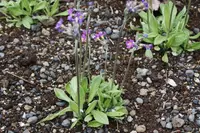
Scandinavian primrose, Primula scandinavica, is a small perennial from cool northern regions of Scandinavia and adjacent Arctic areas. It naturally grows in moist meadows, riverbanks, and alpine slopes. Plants form low rosettes of green leaves and send up slender stems topped with clusters of purple to magenta flowers. The flowers are usually held above the foliage, giving a light, airy look. This species prefers cool conditions, constant moisture, and humus-rich, free-draining soil, which can make it more demanding in warm or dry climates. Understanding these natural conditions is key to how to care for Scandinavian primrose in gardens or specialized collections.

Main Plant Requirements

Care Difficulty

Moderate Care

Light Preference

Partial Shade

Water Requirements

Keep Soil Moist

Temperature Preference

Cold Hardy

Hardiness Zone

3–7

Soil Texture

Loamy, Silty, Organic-rich

Soil pH

Acidic (5.5–6.5), Slightly acidic (6.5–7.0)

Soil Drainage

Moist but well-drained

Fertilization

Minimal (feed rarely)

Get Personalized Care Plan

Scan your plant to receive care tips personalized for your specific plant

Available on iOS and Android

How to Care for the Scandinavian primrose

This alpine primrose prefers bright, cool conditions with protection from harsh midday sun.

  • Provide 3–5 hours of soft morning sun with light shade or dappled light through the rest of the day.
  • Avoid strong afternoon sun, which can scorch leaves and dry soil quickly; use taller plants or shade cloth as protection.
  • In summer, shift Scandinavian primrose to more shade if foliage pales or wilts; in early spring, allow more direct light to encourage compact growth.

This species needs consistently moist but not waterlogged soil throughout the growing season.

  • Water when the top 1–2 cm of soil feels barely dry, aiming to keep the root zone evenly damp during active growth.
  • Use rich, well-drained soil so excess water can escape; prolonged soggy conditions cause yellowing leaves, mushy crowns, and root rot.
  • In cooler months, reduce watering slightly as growth slows, but do not let the soil fully dry; wilting and crisp leaf edges signal underwatering in Primula scandinavica.

This cold-tolerant primrose prefers cool conditions and dislikes prolonged heat.

  • Aim for 45–65°F (7–18°C) during active growth for strongest foliage and flowering.
  • Plants tolerate short drops to about 20°F (-6°C) with protection, but repeated freeze–thaw or exposed frost can damage crowns.
  • Above 75°F (24°C), provide extra shade and consistent moisture; extended heat over 85°F (29°C) stresses plants and can shorten their lifespan.

This species prefers cool, moderately moist air and is somewhat sensitive to very dry indoor conditions.

  • Aim for 50–70% humidity, especially in heated rooms, to reduce leaf edge browning and bud drop.
  • Monitor for humidity stress signs such as limp foliage, crisp margins, and flower buds drying before opening.
  • Increase humidity by grouping pots, placing containers on a pebble tray with water below the pot base, or using a small room humidifier near Scandinavian primrose.

Primula scandinavica grows best in moist, airy, organic-rich soil that never stays waterlogged.

  • Use a loose mix of 2 parts loam or peat-free compost, 1 part leaf mold, and 1 part gritty sand or fine grit for structure.
  • Ensure fast drainage while retaining moisture; water should drain within seconds yet the mix should feel evenly damp, not sticky.
  • Keep pH slightly acidic to neutral, around 6.0–7.0, avoiding strongly alkaline soils that limit nutrient uptake and weaken growth.
  • Improve aeration and reduce compaction by adding perlite or fine pine bark, and avoid heavy clay or pure peat that stays soggy.

This species can be grown successfully in containers with careful moisture management and root space.

  • Select a pot just slightly wider than the root ball to keep the mix filling and drying evenly rather than remaining wet at the edges.
  • Choose a relatively deep container so roots can grow downward into cool, moist zones instead of crowding near the warmer surface.
  • Use a heavier or wider-based pot outdoors to prevent tipping, as the flower stems can make the plant top-heavy in wind.

This alpine species has modest nutrient needs, so use light, targeted feeding during active growth for healthy foliage and flowering.

  • Apply a balanced liquid fertilizer (such as 10-10-10) at 1/4–1/2 strength every 3–4 weeks during spring–early summer while Scandinavian primrose is in active growth.
  • Use a diluted organic option, like compost tea, instead of heavy granular products to avoid salt buildup in the shallow root zone.
  • Stop feeding in late summer and do not apply fertilizer in winter dormancy to prevent weak, soft growth.
  • In poor soils, work a thin layer of fine compost into the surface each spring rather than adding frequent high-strength fertilizers.

Primula scandinavica benefits from light, precise pruning to maintain neat rosettes and support repeat flowering.

  • Deadhead spent flower stalks in late spring–early summer using clean scissors or snips, cutting down to the base of the stem.
  • Remove yellowed, diseased, or damaged leaves whenever seen to improve air circulation and reduce fungal problems.
  • Thin crowded rosettes gently, taking out the weakest plants, to maintain shape and reduce competition for water and nutrients.
  • Avoid cutting into the central crown; focus trimming on outer, older foliage to preserve strong new growth.

This primula is usually grown in cool outdoor beds or alpine troughs, so focus more on careful transplanting than frequent repotting.

  • Transplant Primula scandinavica in early spring or early fall when temperatures are mild and soil stays evenly moist.
  • Shift container plants only when roots circle the pot, drainage slows, or growth declines, typically every 2–3 years.
  • Move the plant with a generous soil plug, disturbing roots as little as possible, and replant at the same depth in humus-rich, well-drained soil.
  • Water thoroughly after transplanting, then keep soil lightly moist and shaded for 7–10 days to limit transplant shock.

This species is commonly propagated by seed and occasional division to maintain healthy clumps and renew plantings.

  • Sow fresh seeds of Primula scandinavica in late summer–fall in trays of fine, moist seed mix, as many primulas benefit from cool stratification.
  • Provide bright, indirect light and cool conditions around 50–60°F; keep the surface evenly moist until germination.
  • Once seedlings have several true leaves, prick them out gently into small cells or pots, handling by the leaves, not the stems.
  • Divide mature clumps in early spring, separating rosettes with roots attached and replanting promptly into moist, well-drained soil.

This cold-hardy alpine primula usually needs minimal winter care when grown in the ground in suitable climates.

  • In regions with very harsh winters, apply a light mulch of leaf litter or fine bark around, but not over, the crowns to buffer freeze–thaw cycles.
  • Allow foliage to die back naturally; remove only soft, rotting leaves to reduce disease without exposing crowns too much.
  • Move container-grown plants into a sheltered, unheated but frost-free or slightly protected spot to prevent rootball freezing solid.

Care Tips

Cool-summer placement

In warmer regions, position pots in the coolest microclimate available, such as a north-facing side of the garden or balcony, to mimic the naturally cool summer conditions this alpine species prefers.

Gritty surface mulch

Top-dress around the crown with a 1–2 cm layer of fine grit or sharp sand to keep the leaf bases dry, reduce rot risk, and discourage soil splash that can spread fungal spores.

Snowmelt-style watering

During active growth, use slightly cool (not icy) water and irrigate in the morning so foliage dries by evening, which better imitates natural snowmelt conditions and limits fungal disease pressure.

Careful division timing

Divide crowded clumps only right after flowering, replanting divisions at the same depth and watering them in gently, as this timing allows roots to re-establish before the following winter.

Alpine container setup

For Scandinavian primrose indoor care in mild climates, use a clay pot with multiple drainage holes, a deep gritty layer at the base, and keep the container raised on pot feet to prevent waterlogging around the root zone.

Common Pests and Diseases

Powdery mildew

This disease often develops in cool, humid conditions with poor air movement. Symptoms include white, powdery patches on leaves, stalks, and sometimes flower stems, which can cause distortion and reduced vigor.

Solution

Remove and discard heavily infected leaves to reduce spore load, then improve spacing and airflow around plants and avoid overhead watering late in the day. If conditions stay conducive, apply a sulfur or potassium bicarbonate fungicide labeled for ornamentals, following directions carefully and keeping foliage as dry as possible between treatments.

Leaf spot

This disease causes small, water-soaked lesions that turn brown or black, sometimes with a yellow halo, leading to premature leaf drop in damp, crowded plantings. Symptoms include irregular spotting that may coalesce into larger dead patches on Primula rosettes.

Solution

Promptly remove and discard affected leaves and any plant debris on the soil surface, then water at the base to keep foliage dry. Improve drainage and airflow, and in persistent cases consider a copper-based or chlorothalonil fungicide labeled for ornamental leaf spots, applied during extended wet periods.

Aphids

These insects commonly colonize soft Primula growth, especially young flower stems and the undersides of leaves. This pest sucks sap, causing curling, distortion, sticky honeydew, and sometimes transmission of viral diseases that stunt or mottling leaves.

Solution

Dislodge colonies with a firm stream of water, then inspect regularly and squash remaining clusters by hand or wipe off with a damp cloth. For ongoing infestations, use insecticidal soap or a light horticultural oil, ensuring thorough coverage of shoot tips and leaf undersides without spraying in full, hot sun.

Vine weevil

This pest is a serious issue for Primula in containers and garden beds, especially in cooler regions. Adult beetles notch leaf edges, while larvae feed on roots and crowns, causing wilting, collapse, or sudden death, often in late winter or early spring.

Solution

Check plants at night and hand-pick adult beetles, then inspect the root zone for C-shaped white larvae and discard heavily infested plants. Use entomopathogenic nematodes (Steinernema or Heterorhabditis species) in moist soil during the correct temperature range to target larvae, and avoid keeping pots overly wet, which favors larval survival.

Botrytis blight

This disease, caused by Botrytis cinerea, thrives in cool, moist, low-light conditions around Primula flowers and foliage. Symptoms include gray, fuzzy mold on fading blooms, leaf edges, and crown tissue, leading to soft rot and collapse if not controlled.

Solution

Promptly deadhead spent flowers and remove any decaying tissue, and keep plant crowns above wet mulch with good ventilation. Reduce humidity around plants, avoid wetting the foliage, and in severe or recurring cases use a labeled Botrytis fungicide, rotating active ingredients to limit resistance.

Interesting Facts

Arctic river specialist

This species naturally occurs along cold, fast-flowing rivers and streams in northern Scandinavia, often on moist, calcareous gravel and rocky banks kept open by snowmelt and flooding.

Snow-influenced flowering

Flowering is tightly linked to snowmelt timing in its native range, with plants starting to bloom soon after the ground thaws and days lengthen in early summer.

Short-lived, self-seeding

Individual plants are often short-lived, but populations can persist because they set abundant seed that germinates well on freshly disturbed, moist ground.

FAQs about Scandinavian primrose

Poor flowering usually results from plants being too warm in winter, too dry at the roots, or overly shaded. Old, crowded clumps also bloom less. Provide cool conditions, consistent moisture, and divide congested rosettes every few years.

Grow Healthy Plants with Botan Care

Keep your plants happy and healthy with plant identification, disease detection, and easy care guidance.

Botan plant care app — identify plants on mobile

Explore More Plants