Encourage Bushy Shape
Pinch back soft stem tips every 3–4 weeks during active growth to keep the plant compact, encourage branching, and increase the number of flower-bearing shoots.

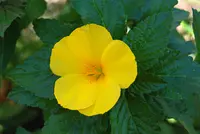
Ramgoat dashalong (Turnera ulmifolia) is a small, shrubby perennial known for its bright yellow, buttercup-like flowers and soft, toothed green leaves. It stays compact and bushy, making it suitable for borders, low hedges, or container planting in warm climates.
This species is native to tropical regions of the Americas, where it often grows in sunny, open sites and disturbed ground. Its fast growth and generous flowering habit make it attractive for gardeners who want steady color with moderate effort.
The plant prefers plenty of sun, well-drained soil, and regular but not excessive moisture. Understanding these basic needs is the foundation of how to care for ramgoat dashalong at home.

Care Difficulty
Easy Care

Light Preference
Full Sun

Water Requirements
Moderate Water

Temperature Preference
Tropical / Frost Sensitive

Hardiness Zone
9–11

Soil Texture
Sandy, Loamy, Organic-rich

Soil pH
Acidic (5.5–6.5), Slightly acidic (6.5–7.0)

Soil Drainage
Well-drained

Fertilization
Light (every 4–6 weeks)
Scan your plant to receive care tips personalized for your specific plant
Available on iOS and Android
Turnera ulmifolia thrives in bright, warm conditions with strong but not extreme sun exposure.
This species prefers evenly moist but never soggy soil, with slight drying between waterings.
This warm-climate shrub grows best with stable, mild to hot temperatures and no frost exposure.
This species handles typical indoor humidity but benefits from moderately moist air.
This plant prefers loose, well-drained, slightly sandy soil that does not stay wet for long.
This species is well suited to container growing when drainage and root space are managed carefully.
Turnera ulmifolia responds well to modest feeding during the warm growing season, especially in containers.
Turnera ulmifolia benefits from light, periodic pruning to maintain a compact, flowering shape.
Turnera ulmifolia is often grown in the ground but can adapt to containers when transplanted thoughtfully.
Turnera ulmifolia is commonly propagated from both seeds and softwood cuttings under warm, bright conditions.
Turnera ulmifolia is frost-sensitive and requires protection in regions with cold winters.

Plant Health Check
Not sure what's wrong with your plant? Check your plant's health inside the app.
Individual yellow flowers open in the morning and usually wither by early afternoon, so a plant can bloom almost every day while each blossom lasts only a few hours.
This species is self-compatible, meaning pollen from the same plant can successfully fertilize its own flowers, which helps it colonize disturbed or open habitats.
Its leaves often bear small glandular dots or margins that secrete substances thought to deter some herbivores and may also influence which insects visit the plant.

In several tropical coastal regions this species behaves as a pioneer plant, quickly establishing on disturbed, nutrient-poor sandy soils and stabilizing them, which makes it both useful for erosion control and potentially invasive outside its native range.
This species is highly attractive to butterflies and many small bees. Its open, nectar-rich flowers and regular blooming pattern provide a reliable food source, making it useful for pollinator-friendly gardens and small wildlife plantings.
Keep your plants happy and healthy with plant identification, disease detection, and easy care guidance.