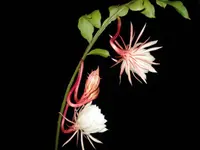
Poeppig's rosemallow Care (Hibiscus poeppigii)

Poeppig's rosemallow

About Poeppig's rosemallow

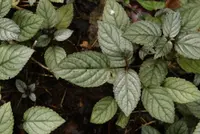
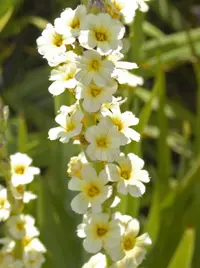
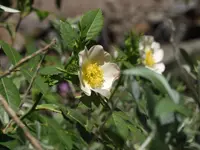
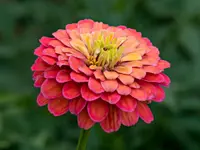
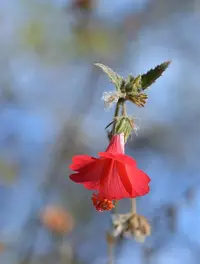
Poeppig's rosemallow, Hibiscus poeppigii, is a shrub-like hibiscus species known for its showy, mallow-style flowers and attractive foliage. It typically forms a compact to medium-sized bush with branching stems and seasonal blooms.

This species is native to parts of South America, where it grows in warm, moderately moist habitats. In cultivation, it tends to be reasonably forgiving if given good light, protection from frost, and well-drained soil.

Its main challenges are sensitivity to cold and a need for consistent moisture without waterlogging. Gardeners who learn how to care for Poeppig's rosemallow usually find it a manageable and rewarding ornamental plant.

Main Plant Requirements

Care Difficulty

Moderate Care

Light Preference

Full Sun

Water Requirements

Regular Water

Temperature Preference

Warm Climate

Hardiness Zone

9–11

Soil Texture

Sandy, Loamy, Organic-rich

Soil pH

Acidic (5.5–6.5), Slightly acidic (6.5–7.0)

Soil Drainage

Moist but well-drained

Fertilization

Light (every 4–6 weeks)

Get Personalized Care Plan

Scan your plant to receive care tips personalized for your specific plant

Available on iOS and Android

How to Care for the Poeppig's rosemallow

This shrub prefers bright, direct sun but tolerates some light shade in hot climates.

  • Provide 6–8 hours of direct sun daily, ideally with strong morning sun and light afternoon shade in hotter inland areas.
  • In regions with intense summer sun, use filtered light or dappled shade from 1–4 p.m. to reduce leaf scorch on Poeppig's rosemallow.
  • If stems elongate, flowering drops, or leaves turn dull green, the site is too shaded and the plant should be moved to a brighter position.

Hibiscus poeppigii needs evenly moist but not saturated soil during active growth.

  • Water when the top 3–5 cm of soil feels dry, soaking the root zone deeply, then allow excess to drain away fully.
  • In spring and summer, expect to water more often during hot, windy periods; reduce frequency in fall and much more in winter when growth slows.
  • Ensure free-draining, loamy soil; yellowing, soft leaves indicate overwatering, while limp, dry leaves and twig dieback suggest underwatering.

This species prefers warm, frost-free conditions with mild seasonal variation.

  • Aim for 70–85°F (21–29°C) during the growing season, which supports strong shoot growth and reliable flowering.
  • The plant is damaged by frost; growth stalls near 45°F (7°C), and prolonged exposure below 32°F (0°C) can kill stems or entire plants.
  • It tolerates brief heat up to about 95°F (35°C) if soil moisture is maintained, but flowering and leaf quality decline in extended extreme heat.

This species prefers moderately moist air but adapts to many home environments when roots are well managed.

  • Aim for 40–60% humidity; it copes with brief dips lower but prolonged very dry heated rooms can stress Poeppig's rosemallow.
  • Watch for crisp leaf edges, stalled buds, or repeated bud drop as signs of low-humidity stress rather than watering issues.
  • Increase humidity by grouping plants, placing pots on pebble trays with water below the pot base, or running a small humidifier nearby.

Hibiscus poeppigii grows best in loose, well-aerated mineral-rich soil that drains quickly yet holds some moisture.

  • Use a sandy loam mix: roughly 50% standard potting mix, 25% coarse sand, 25% perlite or fine gravel for structure and drainage.
  • Keep pH mildly acidic to neutral, around 6.0–7.0, which supports nutrient availability without risking micronutrient lockout.
  • Incorporate 10–20% mature compost for organic matter, but avoid heavy peat-only mixes that stay wet and reduce root oxygen.
  • Avoid compacted clay, poorly drained sites, or pots without drainage holes, which promote root rot and weak, shallow root systems.

This species is suitable for container growing when the pot choice supports its woody root system and moderate top growth.

  • Select a pot deep enough for a developing woody taproot, typically at least 25–30 cm tall, to prevent circling and binding of roots.
  • Choose a slightly heavier material such as ceramic or thick-walled terracotta to stabilize the shrub against wind and top-heavy growth.
  • Raise the container on pot feet or bricks so drainage holes clear the ground, allowing rapid escape of excess water after rain or irrigation.

This shrub grows in fairly lean soils but responds well to light, balanced feeding in cultivation.

  • Use a balanced, slow-release fertilizer or compost with an approximate NPK of 8-8-8 or 10-10-10 at planting and early spring.
  • Feed container plants every 4–6 weeks in spring–summer with a half-strength balanced liquid fertilizer on moist soil.
  • Reduce or stop feeding in fall and winter when growth slows or the plant is semi-dormant.
  • In nutrient-poor ground, a thin annual topdressing of compost supports healthy flowering when caring for Poeppig's rosemallow.

Pruning helps maintain shape and flowering quality in Hibiscus poeppigii without making it high-maintenance.

  • Carry out main structural pruning in late winter or very early spring before strong new growth starts.
  • Remove dead, diseased, crossing, or storm-damaged wood first using clean, sharp bypass pruners or loppers.
  • Shorten overly long or crowded stems to an outward-facing bud to keep a balanced, open framework with good light penetration.
  • Light tip-trimming after the first flush of blooms can encourage denser branching and additional flowers.

This species is more often grown in the ground, but young plants and nursery stock adapt well to careful transplanting.

  • Transplant or shift containers in late winter to early spring, once frost danger is low and before vigorous new growth begins.
  • Look for roots circling the pot, water draining very quickly, or slowed growth as signs a container plant needs more space.
  • Move up only 1 pot size, gently loosen circling roots, and set the plant at the same soil depth to limit transplant shock.
  • Water thoroughly after planting, shade from intense sun for 3–5 days, and keep soil evenly moist while new roots establish.

Hibiscus poeppigii is typically propagated from semi-hardwood cuttings or seeds under warm, stable conditions.

  • Take semi-hardwood stem cuttings in late spring–summer, 8–12 cm long, with 2–3 nodes and a few leaves retained.
  • Dip the cut end in rooting hormone and place in a well-drained medium such as 1:1 perlite and peat or coco coir.
  • Maintain gentle bottom warmth around 70–75°F, high humidity, and bright filtered light until roots form.
  • Sow seeds in spring in a free-draining mix, barely covered, and keep evenly moist and warm for steady germination.

This hibiscus prefers mild climates and benefits from moderate winter protection in colder regions.

  • In-ground plants in zones near its hardiness limit need a 5–8 cm layer of mulch over the root zone in late fall.
  • Avoid waterlogged soil in winter, which increases risk of root damage in cold conditions.
  • In frost-prone areas, grow Hibiscus poeppigii in containers that can be moved indoors to a cool, bright, frost-free space.

Care Tips

Sturdy stem support

Install low, discreet stakes or a small hoop support early in the season so the flexible stems can grow through it, which prevents wind damage and keeps flowers upright for better display.

Targeted deadheading

Remove spent flowers and the short section of stem directly behind them before seed pods form to encourage a longer blooming period and reduce energy loss into seed production.

Mulch for root cooling

Apply a 3–5 cm layer of organic mulch around, but not touching, the stem base to keep roots cooler, reduce moisture swings, and minimize weed competition that can slow growth.

Preventive pest scouting

Check the undersides of leaves and tender shoot tips every 7–10 days for early signs of aphids, whiteflies, and spider mites, and wash them off with a firm water spray before infestations build up.

Gradual site transitions

When moving a container-grown plant between greenhouse, patio, or garden positions, shift it over 5–7 days by increasing light and wind exposure stepwise to avoid sunscald and stress while growing Poeppig's rosemallow.

Common Pests and Diseases

Hibiscus beetles

This pest feeds on buds and open flowers, causing brown spots, ragged petals, and premature bud drop. Symptoms include reduced flowering and deformed blooms, especially in warm, dry weather.

Solution

Hand-pick and remove beetles early in the morning, shake flowers over a container of soapy water, and dispose of affected blooms. Reduce nearby weedy hibiscus relatives, and if needed use a targeted pyrethrin or spinosad spray in the evening, keeping it off open flowers to protect pollinators.

Hibiscus aphids

These insects cluster on tender shoots, buds, and the undersides of leaves, sucking sap and causing curling, distortion, and sticky honeydew that can lead to sooty mold. This pest is common on new flushes of growth and can slow overall plant vigor.

Solution

Rinse infested shoots with a firm stream of water, then prune heavily infested tips. Encourage lady beetles and lacewings, and if populations remain high, apply insecticidal soap or neem oil, fully coating shoot tips and undersides of leaves and repeating every 5–7 days until controlled.

Hibiscus leaf spot

This disease produces small brown to purplish spots on leaves that may merge into larger blotches, leading to yellowing and early leaf drop in humid or wet conditions. Symptoms include a thin ring or halo around lesions and a gradual thinning of foliage.

Solution

Remove and discard spotted leaves from the plant and ground, then water at soil level to keep foliage dry. Improve sun exposure and airflow, avoid overhead watering late in the day, and in persistent cases apply a copper- or chlorothalonil-based fungicide according to label directions during warm, wet periods.

Powdery mildew

This disease appears as a white, dusty coating on upper leaf surfaces, young stems, and occasionally buds, leading to distorted growth and reduced flowering. Symptoms include dull, gray-green foliage that can yellow and drop if the infection is heavy.

Solution

Increase light and airflow around the plant, avoid crowding, and water at the base instead of over the foliage. Remove heavily affected leaves and apply sulfur or potassium bicarbonate fungicides labeled for ornamentals at the first sign of mildew, repeating as directed until new growth remains clean.

Spider mites

These pests are tiny arachnids that thrive in hot, dry conditions, causing fine stippling on leaves, bronzing, and eventual leaf drop; light webbing may be visible between leaves and stems. Symptoms include dull, dusty-looking foliage that worsens quickly during dry weather.

Solution

Spray the plant thoroughly with water, focusing on the undersides of leaves, and repeat several times per week to disrupt mite populations. If infestation persists, use horticultural oil or insecticidal soap, fully coating both leaf surfaces, and increase ambient humidity slightly while avoiding prolonged leaf wetness at night to support Hibiscus poeppigii care.

Interesting Facts

Native to Andean foothills

This species is naturally distributed in seasonally dry, open habitats of the western South American foothills, where it experiences strong sun, fluctuating temperatures, and distinct wet–dry seasons.

Shrubby perennial habit

It forms a woody, branching shrub rather than a soft-stemmed herb, allowing older plants to develop a semi-woody framework that resprouts after seasonal stress such as drought.

Pollinator-oriented flowers

The flowers are structured with a prominent central staminal column typical of hibiscus, an adaptation that presents pollen efficiently to visiting insects and helps maximize cross-pollination in its native range.

FAQs about Poeppig's rosemallow

This species performs best outdoors in mild, frost-free climates where it receives good light and air movement. Indoors it tends to get leggy and disease-prone, so Poeppig's rosemallow indoor care is usually challenging and short‑lived.

Grow Healthy Plants with Botan Care

Keep your plants happy and healthy with plant identification, disease detection, and easy care guidance.


Botan plant care app — identify plants on mobile

Explore More Plants