Coppicing Rotation
Every 2–3 years, cut a third of the oldest stems down to 5–10 cm above ground in late winter to stimulate vigorous new shoots and maintain a dense, healthy framework.

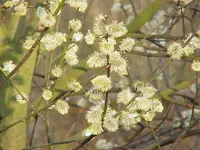
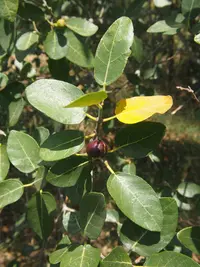
Goat willow, Salix caprea, is a hardy deciduous shrub or small tree known for its early spring catkins and broad, oval leaves. It often forms a rounded, bushy crown with multiple stems.
This species is native to Europe and parts of western Asia, where it grows in damp woods, riverbanks, and open, cool landscapes. It adapts well to many garden soils, especially those that stay evenly moist.
Fast growth and high tolerance to cold, wind, and pruning make it relatively easy to establish. Basic knowledge of how to care for goat willow helps keep it healthy and well-shaped in a garden setting.

Care Difficulty
Moderate Care

Light Preference
Full Sun

Water Requirements
Regular Water

Temperature Preference
Cold Hardy

Hardiness Zone
4–8

Soil Texture
Loamy, Clay, Silty

Soil pH
Acidic (5.5–6.5), Slightly acidic (6.5–7.0)

Soil Drainage
Moist but well-drained

Fertilization
Minimal (feed rarely)
Scan your plant to receive care tips personalized for your specific plant
Available on iOS and Android
This willow species thrives in bright outdoor positions with consistent daily sun exposure.
This species prefers consistently moist soil and does not tolerate prolonged drought well.
This hardy willow tolerates a wide temperature range but grows best in cool to mild climates.
This species tolerates a wide humidity range and rarely needs special humidity management outdoors.
Salix caprea thrives in moist, structured soil that stays aerated but never stagnant.
This species can be grown in containers, especially as a small tree or shrub form.
Salix caprea grows well in average soil and usually needs only light supplemental feeding.
Salix caprea benefits from thoughtful pruning to maintain structure and healthy growth.
Goat willow is usually grown in the ground, so focus on careful transplanting rather than frequent repotting.
Salix caprea is commonly propagated from cuttings, which root fast under suitable conditions.
Mature Salix caprea is cold hardy in most temperate climates and generally needs little winter care.

Plant Health Check
Not sure what's wrong with your plant? Check your plant's health inside the app.
Goat willow male catkins open very early in spring and provide one of the first abundant pollen and nectar sources for bees and other pollinators in cool-temperate Europe and parts of Asia.
The species is dioecious, so each plant is either male or female, and the male catkins are noticeably larger, denser, and more brightly yellow than the female ones due to the exposed pollen.
Salix caprea hybridizes readily with closely related willow species, which has produced naturally occurring hybrids and a range of ornamental forms used in horticulture.

In northern and central Europe, the dramatic yellow male catkins of goat willow were traditionally cut just as they opened and used as symbolic spring decorations for religious festivals, which led to the common name pussy willow in many regions.
Lack of flowers often comes from pruning at the wrong time, heavy shade, or nutrient‑rich but poorly drained soil. Late pruning removes flower buds formed on older wood. Ensure good light, drainage, and avoid excessive high‑nitrogen fertilizer.
Keep your plants happy and healthy with plant identification, disease detection, and easy care guidance.