Early structural training
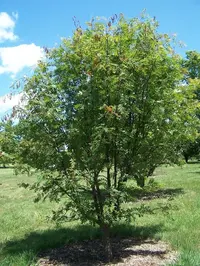
While young, select 1 strong central leader and remove competing vertical shoots to develop a stable tree form that resists wind and reduces future breakage.

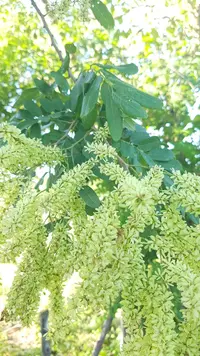
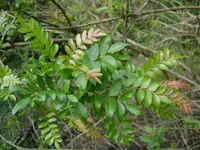
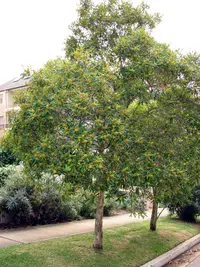
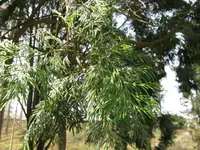
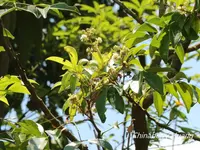
Apoplanesia paniculata is a medium to large evergreen tree, best known from tropical and subtropical forests of Mexico and Central America. It develops a rounded crown with dense foliage and small, often fragrant flowers held in loose clusters.
This species is mainly grown as an ornamental shade tree or for reforestation in warm climates. It tends to be resilient once established but is not well documented in cultivation, so growers should expect some trial and observation.
In general, it prefers warm conditions, moderate moisture, and well-drained soil, and anyone learning how to care for Apoplanesia paniculata should consider its origins in seasonally moist forests.

Care Difficulty
Moderate Care

Light Preference
Full Sun

Water Requirements
Moderate Water

Temperature Preference
Warm Climate

Hardiness Zone
Unknown

Soil Texture
Loamy, Sandy, Organic-rich

Soil pH
Slightly acidic (6.5–7.0)

Soil Drainage
Well-drained

Fertilization
Minimal (feed rarely)
Scan your plant to receive care tips personalized for your specific plant
Available on iOS and Android
This species prefers bright, open conditions similar to a warm, lightly shaded woodland edge.
Watering should support steady growth without keeping the root zone saturated.
Temperature needs are warm-temperate to subtropical with no tolerance of hard frost.
This species prefers moderate humidity but usually adapts to typical indoor levels.
This shrub grows best in loose, well-draining, slightly acidic to neutral soil.
This species can be grown in containers if the pot is chosen to support its woody root system and eventual size.
This species usually thrives in the ground with minimal feeding, but light nutrition benefits young or container-grown Apoplanesia paniculata.
This tree responds well to light structural pruning to maintain a stable framework and remove weak growth.
This species is mainly grown in the ground, so transplanting young trees correctly is more important than frequent repotting.
Propagation is usually done from seed, which can be slow and requires patience and stable conditions.
Established plants in suitable climates are moderately hardy and usually need only basic winter attention outdoors.

Plant Health Check
Not sure what's wrong with your plant? Check your plant's health inside the app.
Apoplanesia paniculata is a medium to large leguminous tree native to tropical and subtropical regions of Mexico and Central America, where it typically grows in seasonally dry forests and open woodlands.
The species name paniculata refers to its branched flower clusters called panicles, which bear many small, usually whitish to pale-colored, pea-like flowers typical of the Fabaceae family.
Like many legumes, this species forms root nodules that host nitrogen-fixing bacteria, allowing it to convert atmospheric nitrogen into a plant-usable form and enrich surrounding soils over time.
This species is generally moderate-growing. Young plants establish slowly during the first 2–3 years, then growth accelerates under warm conditions and adequate moisture. In suitable outdoor sites it can add noticeable height and spread each season.
Keep your plants happy and healthy with plant identification, disease detection, and easy care guidance.