Japanese rowan Care (Sorbus commixta)

Japanese rowan

About Japanese rowan

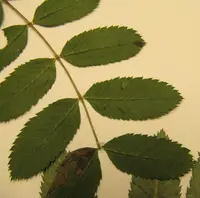
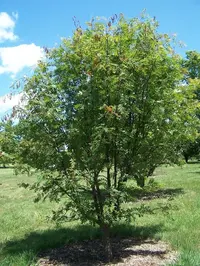
Japanese rowan, Sorbus commixta, is a small to medium deciduous tree valued for its fine foliage, creamy spring flowers, and bright autumn berries. It usually develops a graceful, upright crown with slender branches and compound leaves that turn vivid orange to red in fall.

This species is native to Japan and parts of East Asia, where it grows in cool, mountainous forests. Its ornamental appeal and relatively moderate growth rate make it suitable for gardens and streetscapes in temperate climates.

It is moderately easy to grow, provided it has full sun to light shade, evenly moist but well-drained soil, and protection from extreme heat. Understanding how to care for Japanese rowan focuses mainly on site selection and maintaining consistent soil moisture.

Main Plant Requirements

Care Difficulty

Moderate Care

Light Preference

Full Sun

Water Requirements

Moderate Water

Temperature Preference

Cold Hardy

Hardiness Zone

4–7

Soil Texture

Loamy, Sandy, Clay

Soil pH

Acidic (5.5–6.5), Slightly acidic (6.5–7.0)

Soil Drainage

Moist but well-drained

Fertilization

Minimal (feed rarely)

Get Personalized Care Plan

Scan your plant to receive care tips personalized for your specific plant

Available on iOS and Android

How to Care for the Japanese rowan

This deciduous tree prefers bright conditions with several hours of direct sun for strong growth and color.

  • Provide 4–6 hours of direct sun daily, ideally morning sun with light afternoon shade in hotter regions to protect foliage from scorch.
  • Tolerates light partial shade, but Japanese rowan develops denser crowns and better autumn color in more open, unshaded sites.
  • In summer, monitor young trees for leaf scorch in exposed, reflective spots; in winter, full sun helps maintain bud health and ripen wood for the next season.

This species prefers consistently moist but not saturated soil, especially while establishing.

  • Allow the top 3–5 cm of soil to dry slightly between soakings; then water deeply so moisture reaches the main root zone, rather than giving light, frequent splashes.
  • During the first 2–3 years, monitor after hot, dry, or windy weather; drooping, dull leaves suggest thirst, while yellowing leaves and soft stems can indicate overwatering.
  • Grow Sorbus commixta in well-drained, loamy soil; reduce watering frequency in cool, rainy seasons to avoid waterlogging, root rot, and poor autumn color.

This hardy tree thrives in cool to temperate climates with distinct seasons.

  • Best active growth occurs around 55–75°F (13–24°C); moderate summer warmth supports healthy foliage and berry production without stressing the tree.
  • Fully dormant trees tolerate winter lows near -20°F (-29°C) once established, but young plants benefit from shelter from harsh, drying winds.
  • In hot regions, brief peaks up to 90°F (32°C) are tolerated if soil stays slightly moist; prolonged heat and drought can cause leaf scorch and reduced vigor.

Humidity is rarely a limiting factor for Sorbus commixta, which adapts well to typical outdoor air conditions.

Sorbus commixta prefers moderately moist, well‑drained, structurally stable soil that supports deep rooting.

  • Use a loamy soil with a mix of mineral particles and organic matter to balance moisture retention and aeration.
  • Aim for slightly acidic to neutral pH, roughly 5.5–7.0, which supports nutrient availability and healthy root function.
  • In planting areas with heavier clay, incorporate coarse sand or fine grit plus compost to improve drainage and structure.
  • Avoid compacted, waterlogged, or very shallow soils that restrict roots and increase risk of root rot and windthrow.

This species can be grown in large outdoor containers for a limited period, but long‑term performance is better in the ground.

  • Choose a heavy, wide container that resists tipping as the canopy gains height and sail area in wind.
  • Use a deep pot that allows a strong anchoring root system, reducing rocking that can damage fine feeder roots.
  • Select a container material with low sidewall flex so the root ball stays stable under wind load and watering cycles.

Sorbus commixta benefits from light, balanced feeding but often performs well in reasonably fertile garden soil.

  • Apply a balanced granular or slow-release fertilizer (for example 10-10-10) once in early spring, just as growth resumes.
  • On poor soils, repeat with a light dose in midsummer, keeping granules away from the trunk flare.
  • Use compost or well-rotted manure as a 2–5 cm surface mulch to supply gentle nutrients.
  • Avoid high-strength products; if using liquid feed, dilute to half strength and stop feeding in late summer.

Pruning Sorbus commixta focuses on safety, structure, and light, rather than frequent reshaping.

  • Carry out main pruning in late winter to very early spring, before bud break, in dry weather if possible.
  • Remove dead, diseased, crossing, or storm-damaged branches with clean, sharp bypass pruners or a pruning saw.
  • Thin congested interior branches to improve airflow and light penetration, maintaining a natural, open crown.
  • Limit heading cuts; instead, use selective thinning to guide height and spread while preserving flower and fruit display.

This species is usually grown in the ground, so transplanting young trees is more relevant than long-term container culture.

  • Look for roots circling the container drainage holes, soil drying very fast, or poor vigor as signs a young Sorbus commixta needs more space.
  • Plan transplanting for late fall or very early spring, when the tree is dormant and temperatures are cool.
  • Transplant every 2–3 years while young, moving to a hole 2–3× wider than the root ball in well-drained soil.
  • Water deeply before and after moving, keep the root ball intact, backfill firmly, then mulch 5–8 cm deep without touching the trunk to reduce stress.

Propagation of Sorbus commixta is possible but slow and usually done from seed rather than vegetative methods.

  • Collect ripe berries in fall, clean off the pulp, and sow seeds in pots or trays with free-draining mix.
  • Provide a cold stratification period of about 3–4 months at 34–41°F to break seed dormancy.
  • Keep the medium evenly moist, not waterlogged, and place trays in bright, cool conditions once moved from cold treatment.
  • Softwood or semi-ripe cuttings are possible but often root poorly; use rooting hormone and high humidity if attempted.

This tree is generally cold hardy and needs minimal winter care once established in the landscape.

  • Mature plants tolerate typical temperate frosts; damage is more likely on very young or newly planted specimens.
  • Apply a 5–8 cm mulch layer around the root zone in late fall to stabilize soil temperature and moisture.
  • In very cold or windy sites, stake young trees securely and use a breathable trunk wrap to limit bark injury.
  • Container-grown specimens in cold regions should be moved to a sheltered, unheated area or wrap the pot to insulate roots.

Care Tips

Rootstock selection

For long-term landscape planting, choose grafted trees on locally adapted rootstocks from reputable nurseries, as these typically offer better disease resistance, anchorage, and size control than unnamed seed-grown stock.

Formative crown training

In the first 3–5 years, select a single strong leader and 4–6 well-spaced scaffold branches, lightly removing competing shoots each late winter to build a stable, open crown that carries fruit without limb breakage.

Fruit load management

On young or heavily fruiting trees, thin clustered berries lightly in early summer to reduce weight on slender branches and to help maintain good branch structure and vigor.

Wind and snow protection

In exposed sites, install a leeward windbreak or sheltered planting position and, where heavy wet snow is common, gently shake or brush accumulations from branches to reduce the risk of splitting or tearing.

Understory and trunk care

Keep a clear, mulched circle around the base instead of lawn or groundcovers, and avoid string trimmer or mower damage to the bark, which is a common entry point for canker and borers when growing Japanese rowan.

Common Pests and Diseases

Fire blight

This disease causes sudden blackening and shriveling of blossoms, young shoots, and sometimes fruit clusters, giving them a scorched appearance. Symptoms include shepherd’s crook curling of shoot tips and cankers on branches.

Solution

Prune out infected shoots and branches at least 20–30 cm below visible symptoms during dry weather, disinfecting tools between cuts with 70% alcohol or a 10% bleach solution. Avoid high-nitrogen fertilization, reduce overhead watering, and in areas with a known history of fire blight, consider preventive copper or streptomycin sprays during bloom following local extension service guidance as part of broader Sorbus commixta care instructions.

Apple scab

This disease produces olive-green to dark brown, velvety spots on leaves and sometimes on fruit, which can lead to premature leaf drop. In humid weather, symptoms spread quickly through the canopy from spring onward.

Solution

Rake and remove fallen leaves and mummified fruit in autumn to reduce overwintering spores, and keep the canopy thinned by pruning to improve air movement. In regions with recurring issues, apply a registered fungicide for scab (such as sulfur or myclobutanil) at bud break and repeat as directed during wet spring periods.

Aphids

These insects cluster on young shoots and leaf undersides, sucking sap and causing distorted, sticky foliage due to honeydew deposits. This pest can also encourage sooty mold growth and attract ants.

Solution

Spray colonies off with a strong stream of water, then treat remaining infestations with insecticidal soap or a light horticultural oil, ensuring thorough coverage of leaf undersides. Encourage natural predators such as lady beetles and lacewings by minimizing use of broad-spectrum insecticides in the garden.

Sawfly larvae

These insects resemble small caterpillars and feed in groups on leaves, skeletonizing or stripping foliage in late spring or early summer. Severe feeding can give the tree a ragged, thin crown but usually does not kill established trees.

Solution

Inspect foliage regularly and hand-pick or shake larvae into soapy water when populations are low. For heavier infestations, use a targeted horticultural oil or an appropriate insecticide labeled for sawflies, applied according to label directions while avoiding drift to beneficial insects.

Leaf spot

This disease causes small purple, brown, or black spots on leaves that may coalesce, leading to yellowing and early leaf drop, especially in wet summers. Symptoms include heavier spotting on inner, shaded parts of the canopy where leaves stay wet longer.

Solution

Promote good airflow by pruning crowded branches and avoid prolonged leaf wetting from sprinklers. Collect and dispose of fallen leaves, and in repeatedly affected sites, apply a broad-spectrum fungicide labeled for ornamental trees at leaf-out and repeat during extended wet spells if needed.

Interesting Facts

Autumn berry display

This species produces dense clusters of small orange to bright red berries that often persist into early winter and are an important late-season food source for birds in its native East Asian habitats.

Distinctive peeling bark

Mature trees develop smooth, glossy bark that peels in thin, curling strips to reveal fresh orange-brown layers beneath, giving the trunk and branches a striking ornamental appearance year-round.

East Asian mountain origins

The species is native to cool, mountainous regions of Japan, Korea, and parts of the Russian Far East, where it grows on well-drained slopes and forest margins and tolerates cold, snowy winters.

Botan icon

Did you know?

In Japan, cultivated forms such as Sorbus commixta 'Embley' and other selected clones have been valued in landscape design for combining strong autumn foliage color with winter fruit display, making them important ornamental rowans in temperate public parks and gardens.

FAQs about Japanese rowan

Growth is moderate rather than rapid. Young trees typically add 20–40 cm in height per year under good conditions. Establishment may be slow for the first 2–3 years while roots develop, then growth becomes more consistent.

Grow Healthy Plants with Botan Care

Keep your plants happy and healthy with plant identification, disease detection, and easy care guidance.


Botan plant care app — identify plants on mobile

Explore More Plants