European Pear Care (Pyrus communis)

Also known as: common pear, wild pear, Pear
European Pear

About European Pear

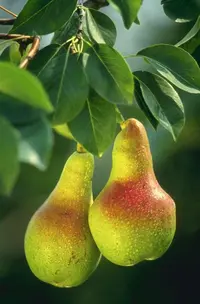
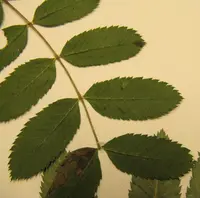
European pear, Pyrus communis, is a temperate fruit tree grown for its sweet, juicy pears and attractive spring blossoms. It is a deciduous tree with a rounded crown and simple, glossy leaves that turn yellow in autumn.

This species originated in Europe and Western Asia and is now widely cultivated in orchards and home gardens across cooler regions. It is generally moderate in difficulty, as it needs winter chill, good sun, and some disease management.

The tree prefers full sun, moderately moist but well-drained soil, and good air circulation. Understanding these basic needs helps gardeners learn how to care for European Pear successfully.


Main Plant Requirements

Care Difficulty

Moderate Care

Light Preference

Full Sun

Water Requirements

Moderate Water

Temperature Preference

Cold Hardy

Hardiness Zone

4–9

Soil Texture

Loamy, Sandy, Clay

Soil pH

Acidic (5.5–6.5), Slightly acidic (6.5–7.0)

Soil Drainage

Moist but well-drained

Fertilization

Minimal (feed rarely)

Get Personalized Care Plan

Scan your plant to receive care tips personalized for your specific plant

Available on iOS and Android

How to Care for the European Pear

This fruit tree needs abundant direct sun to flower and produce quality pears.

  • Provide full sun for 6–8 hours daily; 8+ hours gives best yields and sweetness for European Pear.
  • Site trees where they get morning sun and avoid dense afternoon shade; light afternoon shade is acceptable in very hot summer regions.
  • Avoid deep shade, which causes lanky growth and poor fruiting, and prevent reflected heat from walls that can scorch bark and sunburn fruit in midsummer.

This species prefers consistent soil moisture without prolonged saturation.

  • Water when the top 5–8 cm of soil in the root zone feels dry, then irrigate deeply so moisture reaches 20–30 cm; allow the surface to dry slightly between soakings.
  • In the first 2–3 years, monitor closely during dry spells; mature Pyrus communis trees tolerate brief drought but benefit from deep watering in extended heat or when fruit is sizing.
  • Ensure well-drained soil; signs of overwatering include yellowing leaves and dieback, while underwatered trees show dull, curling leaves and early fruit drop.

This hardy fruit tree tolerates cold winters but grows best in moderate temperatures.

  • Active growth and fruit development are strongest around 60–80°F (16–27°C); young shoots and blossoms perform best within this range.
  • Dormant trees survive down to about -20°F (-29°C) depending on cultivar, but late spring frosts below 28°F (-2°C) can damage flowers and reduce yield.
  • In summer, sustained heat above 90–95°F (32–35°C) may stress trees; provide mulch and adequate water to protect roots and reduce heat-related fruit scald.

Humidity is rarely a limiting factor for Pyrus communis, which adapts well to typical outdoor air conditions.

Pyrus communis prefers deep, well‑structured mineral soil that drains freely but retains moderate moisture.

  • Use a loamy soil with a mix of sand, silt, and some clay to support anchoring roots and steady moisture.
  • Aim for slightly acidic to neutral pH, around 6.0–7.0, and incorporate well‑rotted compost for organic matter.
  • Improve drainage and aeration on heavier sites by adding coarse sand or fine gravel and avoiding soil compaction around the root zone.
  • Avoid shallow, waterlogged, or highly saline soils, which restrict root development and increase disease pressure.

This species can be grown in containers when managed as a dwarf or espaliered tree outdoors.

  • Choose a tall, heavy container that resists tipping and provides at least 40–50 cm depth for the taproot and structural roots.
  • Use a mineral‑based, slightly sandy mix that drains quickly yet holds some moisture, and avoid peat‑heavy, soggy substrates.
  • Position the pot where wind exposure is moderated by walls or railings to reduce rocking stress on the trunk and root ball.

Pyrus communis benefits from moderate, targeted feeding to support steady growth and fruiting.

  • Apply a balanced granular NPK fertilizer or well-rotted compost in early spring, before bud break.
  • Repeat light applications of balanced NPK every 6–8 weeks through mid-summer if growth or fruiting is weak.
  • Use slow-release fertilizer at label rates; avoid strong, high-nitrogen products that cause lush, weak shoots.
  • Stop feeding European Pear by late summer and do not fertilize in winter dormancy.

Thoughtful pruning keeps Pyrus communis productive, well-shaped, and easier to manage.

  • Carry out main pruning in late winter while the tree is dormant and structure is visible.
  • Remove dead, diseased, crossing, and inward-growing branches to improve light and air movement.
  • Thin crowded fruiting spurs to prevent small fruit and excessive branch strain.
  • Use clean, sharp bypass pruners or loppers, making smooth cuts just above buds or branch collars.

This species is usually grown in the ground, so focus on correct transplanting rather than frequent repotting.

  • Transplant young trees in late winter to early spring while dormant and soil is workable.
  • Look for circling roots, tight root balls, or poor vigor in container plants as signs they need a larger space.
  • Move to a hole or container only 1–2 sizes larger, spreading roots gently to reduce circling and stress.
  • Water thoroughly after planting, then maintain even moisture and a mulch layer to support root recovery.

Pyrus communis is commonly propagated by grafting onto compatible rootstocks for reliable fruit quality.

  • Use winter bench grafting or early spring whip-and-tongue grafts on dormant rootstocks.
  • Collect scion wood from healthy, productive trees during full dormancy and store cool, slightly moist.
  • Grow rootstocks from seed or clonal stocks, then graft once stems reach suitable thickness.
  • Keep graft unions well-taped, shaded from harsh sun, and evenly moist until strong callus forms.

Mature Pyrus communis trees are generally cold hardy and need minimal winter care in most temperate climates.

  • Apply 5–8 cm of organic mulch around the root zone, keeping it away from the trunk to limit rot.
  • For young trees, wrap trunks with breathable tree guards to reduce sunscald and rodent damage.
  • Container-grown trees in very cold areas can be moved into an unheated garage or sheltered area.

Care Tips

Choose compatible rootstock

Select a rootstock matched to your soil, climate, and desired tree size, such as a semi-dwarf for smaller gardens or more vigorous stock for heavier soils, to reduce stress and improve long-term productivity when growing European Pear.

Train to open center

In the first 3–5 years, train the tree to an open-center or modified central leader shape using spreaders or soft ties so that light reaches all branches and fruit colors and ripens evenly.

Use targeted fruit thinning

After natural June drop, remove excess small pears so that remaining fruits are spaced about 10–15 cm apart along the branch to reduce biennial bearing and improve fruit size and quality.

Install sturdy branch support

On heavily cropping branches, use padded props or soft, wide ties attached to stakes to prevent limb breakage under fruit weight, especially on young or narrow-angled branches.

Monitor chill and bloom

Track local chill hours and bloom times from year to year and record which cultivars flower together so that cross-pollination remains reliable and yield stays consistent if nearby pear or pollinizer trees are removed or replaced.

Common Pests and Diseases

Pear psylla

This pest feeds on young shoots and leaves, causing yellowing, leaf curl, and sticky honeydew that promotes black sooty mold. Heavy infestations weaken trees and reduce fruit size and quality.

Solution

Monitor buds and young shoots in early spring, then prune out heavily infested growth and wash foliage with a strong water spray to remove nymphs and honeydew. Use horticultural oil at delayed-dormant stage and introduce or conserve natural enemies such as lady beetles and lacewings; in severe cases, apply a targeted insecticide labeled for pear psylla following local extension guidance as part of broader Pyrus communis care instructions.

Fire blight

This disease causes blossoms, shoots, and sometimes whole branches to blacken and appear scorched, often with a characteristic shepherd’s crook at shoot tips. Infected tissues exude a sticky, amber-colored bacterial ooze in warm, wet weather.

Solution

Prune out infected shoots at least 20–30 cm below visible symptoms during dry weather, disinfecting tools between cuts with 10% bleach or 70% alcohol, and destroy pruned material. Avoid high-nitrogen fertilization and heavy summer pruning, manage insect vectors, and where pressure is high, follow local guidelines for preventive blossom sprays with appropriate bactericides on susceptible cultivars.

Pear scab

This disease causes dark, velvety lesions on young leaves and fruit, which may later become cracked, corky, and deformed. Severe infections reduce fruit quality and can lead to premature leaf drop.

Solution

Rake and destroy fallen leaves and mummified fruit in autumn, and prune to open the canopy for better airflow and faster drying of foliage. In regions with a history of pear scab, use resistant cultivars when planting new trees and apply protective fungicide sprays from green tip through early fruit development according to local disease forecasting and label directions.

Pear rust

This disease produces bright orange to rust-colored spots on leaves, sometimes with black specks and yellow halos, and can cause premature leaf drop. It often involves nearby junipers as alternate hosts where swollen galls form and release spores.

Solution

Remove and dispose of infected leaves and, if feasible, eliminate or prune heavily infected juniper hosts within the immediate area to break the disease cycle. Improve canopy airflow through regular structural pruning and, in high-pressure areas, apply registered fungicides preventively from bud break through early summer following local recommendations.

Codling moth

This pest is a key fruit borer whose larvae tunnel into pears, leaving frass-filled entry holes and internal feeding damage that makes fruit unmarketable. Damage often begins shortly after petal fall and can affect a large share of the crop if unmanaged.

Solution

Use pheromone traps starting at bloom to monitor adult flights and time control measures, and remove and destroy infested fruit, including windfalls, throughout the season. Thin fruit so they do not touch, use trunk bands or corrugated cardboard wraps to trap migrating larvae for later destruction, and, where needed, apply targeted insecticides or pheromone-based mating disruption products following regional timing models and label instructions.

Interesting Facts

Ancient Eurasian hybrid origin

Modern European pear trees are thought to descend from multiple wild Pyrus species that were independently domesticated in western Europe and western Asia, then hybridized over centuries by human selection and natural cross-pollination.

Distinct melting flesh texture

Unlike many Asian pears, most Pyrus communis cultivars develop a fine, buttery texture when ripe because their stone cells (sclereids) are more evenly distributed and surrounded by abundant soft parenchyma tissue.

Ethylene-driven off-tree ripening

Many European pear cultivars reach best eating quality after harvest because their flesh responds strongly to ethylene, a natural plant hormone, which triggers softening and flavor development in cool storage more effectively than on the tree.

Botan icon

Did you know?

The Bartlett pear, a cultivar of Pyrus communis also known as 'Williams' in much of the world, became one of the most widely grown and traded pears globally after the 19th century because its tree adapted well to diverse climates and its fruit tolerated shipping, canning, and fresh-market use, shaping commercial pear production in Europe and North America.

FAQs about European Pear

Yellowing leaves often result from waterlogged soil, poor drainage, or nutrient deficiency, especially nitrogen or iron. Check soil moisture, improve drainage, and use a balanced fertilizer or chelated iron if recent growth shows interveinal yellowing.

Grow Healthy Plants with Botan Care

Keep your plants happy and healthy with plant identification, disease detection, and easy care guidance.

Botan plant care app — identify plants on mobile

Explore More Plants