Caucasian Fir Care (Abies nordmanniana)

Also known as: Nordmann Fir, Kazazdagi Fir, Turkish fir, Crimean fir
Caucasian Fir

About Caucasian Fir

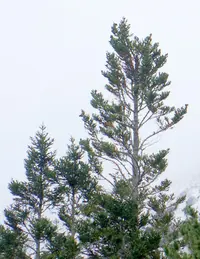
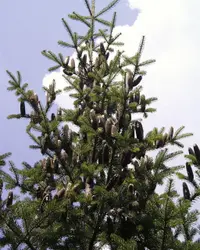
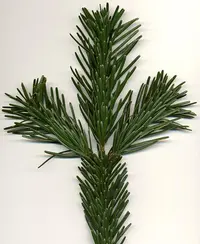
Caucasian fir, Abies nordmanniana, is a long-lived evergreen conifer valued mainly as a landscape tree and Christmas tree species. It forms a dense, pyramidal crown with horizontal branches and glossy dark-green needles. Needles are soft to the touch and arranged in neat rows, giving the tree a tidy, symmetrical look. Cones stand upright on the branches and disintegrate on the tree when mature. In nature it grows in cool, moist mountain forests of the Caucasus region and parts of Turkey and Georgia. It prefers cool summers, consistent moisture, and deep, well-drained soils. These preferences can make how to care for Caucasian Fir more demanding in hot or very dry climates.

Main Plant Requirements

Care Difficulty

Moderate Care

Light Preference

Full Sun

Water Requirements

Moderate Water

Temperature Preference

Cold Hardy

Hardiness Zone

4–6

Soil Texture

Loamy, Sandy, Clay

Soil pH

Strongly acidic (4.5–5.5), Acidic (5.5–6.5)

Soil Drainage

Moist but well-drained

Fertilization

Minimal (feed rarely)

Get Personalized Care Plan

Scan your plant to receive care tips personalized for your specific plant

Available on iOS and Android

How to Care for the Caucasian Fir

This species prefers cool, bright sites with some protection from harsh afternoon sun.

  • Provide 4–6 hours of direct morning sun with light shade or filtered light in the afternoon, especially in hotter regions.
  • Tolerates partial shade (2–4 hours direct sun), but very dense shade leads to sparse, open growth and reduced needle density in Caucasian Fir.
  • In the first 2–3 years, protect young trees from strong summer sun and reflective heat to prevent needle scorch and root desiccation.

Abies nordmanniana needs steady soil moisture without becoming waterlogged.

  • Aim for evenly moist, cool soil; allow the top 3–5 cm to dry slightly before the next deep soak rather than using a fixed schedule.
  • Use well-drained, slightly acidic soil; raised beds or sloped sites reduce the risk of standing water, root rot, and yellowing needles from overwatering.
  • In summer droughts, watch for limp or dull needles and dry soil several cm down, then irrigate slowly at the root zone every 7–14 days as needed.

This fir is cold hardy but grows best in cool, moderate climates.

  • Optimal growth occurs around 50–70°F (10–21°C), with strong performance in cool summers and sheltered, moist sites.
  • Mature trees tolerate winter lows near -20°F (-29°C), while young plants benefit from wind protection to reduce freeze–thaw stress.
  • Extended heat above 85°F (29°C), especially with dry winds, can cause needle browning; maintain soil moisture and mulch 5–8 cm deep to buffer roots.

This species prefers moderately moist air but adapts to typical outdoor humidity in temperate climates.

  • Aim for 40–60% humidity, which most gardens naturally provide in regions where Caucasian Fir is commonly grown.
  • In extended very dry wind or low humidity, watch for browning needle tips and increased needle drop, especially on container plants.
  • Increase local humidity by mulching the root zone, grouping plants, and providing wind protection rather than misting foliage.

Abies nordmanniana performs best in cool, deep, evenly moist mineral soils that drain freely.

  • Use a loam- or sandy-loam based soil rich in organic matter, with a crumbly, well-structured texture that holds moisture but does not stay soggy.
  • Maintain slightly acidic to neutral pH around 5.5–7.0; avoid strongly alkaline or compacted clay that impedes root development and nutrient uptake.
  • In planting areas with heavier soil, improve drainage and aeration by incorporating 20–40% compost plus coarse sand or fine bark into the top 30–40 cm.
  • Strictly avoid waterlogged sites, hardpan layers, or areas where meltwater stands for days, as this species is sensitive to root suffocation and root rot.

This species can be grown in containers for several years, mainly as a temporary or decorative tree rather than a long-term potted specimen.

  • Choose a tall, heavy container that resists tipping and provides deep root space to balance the upright, eventually top-heavy growth.
  • Select a pot material such as thick-walled ceramic or wood to buffer rapid temperature and moisture swings around the root ball.
  • Secure the container against wind by positioning it against a wall or anchoring it to a stable structure, especially in exposed sites.

This conifer needs only modest feeding when grown in average garden soil.

  • Apply a balanced slow-release NPK fertilizer once in early spring for young or container-grown Caucasian Fir.
  • Use about half the label-recommended dose to avoid excess, especially on recently planted trees.
  • Supplement with light compost mulch around the root zone, keeping material away from the trunk.
  • Do not feed in late fall or winter, when growth is naturally dormant.

Abies nordmanniana needs minimal pruning, mainly to maintain health and safe structure.

  • Schedule any pruning for late winter or very early spring, before active growth starts.
  • Remove dead, diseased, crossing, or storm-damaged branches back to the branch collar.
  • Avoid cutting the central leader to preserve natural pyramidal form and stable structure.
  • Use clean, sharp bypass pruners or a pruning saw, making smooth cuts that heal efficiently.

This species is usually field-grown, so care focuses on transplanting young trees rather than frequent repotting.

  • Transplant in late fall or early spring, when soil is workable and the tree is dormant.
  • Look for roots circling the container, tight root mass, or slowed growth as signs a potted tree needs a larger container or planting out.
  • Handle the root ball gently, loosening only the outer circling roots to limit transplant shock.
  • Set the tree at the same depth as in the pot, water thoroughly, then maintain even soil moisture while roots establish.

Abies nordmanniana is typically propagated commercially from seed, which is slow and requires controlled conditions.

  • Collect ripe cones in late summer to early fall, then extract and dry seeds briefly.
  • Stratify seeds in moist medium at about 34–41°F for 6–10 weeks to break dormancy.
  • Sow in a free-draining, slightly acidic mix, keeping it evenly moist and cool with bright light.
  • Semi-hardwood cuttings are possible but difficult; success often requires mist systems and rooting hormones.

Mature Abies nordmanniana trees are cold hardy and generally need little special winter care in typical temperate climates.

  • Apply 5–8 cm of mulch over the root zone of young trees, keeping it a few cm away from the trunk.
  • Water well before the ground freezes so roots enter winter fully hydrated.
  • Shelter container-grown specimens from severe freeze–thaw cycles by moving them to a sheltered, unheated but frost-moderated area.

Care Tips

Wind‑firm establishment

In the first 2–3 years, use two low, flexible stakes set outside the root ball and soft ties to stabilize the trunk in windy sites, then remove all staking once the root system has anchored to avoid long‑term trunk weakness.

Root‑zone protection

Maintain a 5–8 cm deep ring of bark mulch over the root zone, keeping it 5–10 cm away from the trunk, to buffer soil temperature, conserve moisture, and reduce mower and string‑trimmer damage to the bark.

Leader preservation

Inspect the central leader each spring and, if it has died back or split, select the strongest upright side shoot just below the damage, stake it gently vertical, and prune competing shoots to restore a single, straight leader.

Needle cast monitoring

From late spring through summer, check inner and lower branches for yellowing or browning needles with small black fruiting bodies, remove affected branches in dry weather, and dispose of them off‑site to limit needle cast diseases common when growing Caucasian Fir in humid climates.

Snow and ice management

After heavy snow or ice, use a soft broom to gently push accumulation upward and off the branches rather than pulling down, which helps prevent splitting and structural damage to the whorled branch tiers.

Common Pests and Diseases

Green spruce aphid

This pest feeds on the needles, causing yellowing, premature needle drop, and a generally thinned crown, especially on older interior needles. Damage is often more visible in late winter to spring on sheltered or milder sites.

Solution

Monitor foliage from late winter and early spring, and if colonies are present, spray the needles thoroughly with a horticultural soap or a neem oil solution on a cool, overcast day. Encourage natural predators like lady beetles, avoid excessive nitrogen fertilization, and keep the tree well watered but not waterlogged to reduce stress and support natural resistance.

Adelgids

These insects are small, aphid‑like conifer pests that form cottony white masses on shoots, bark crevices, or at the base of needles, leading to distorted growth and weakened trees over time. Heavy infestations can cause stunted shoots and poor needle retention.

Solution

Inspect young shoots and trunk junctions in spring and early summer and prune out heavily infested twigs where practical. For remaining populations, wash infested areas with a strong jet of water and, if needed, apply horticultural oil during the dormant season or early spring, thoroughly coating bark and needles while avoiding application during freezing or very hot conditions.

Needle cast

This disease causes needles to develop yellow or brown spots, then turn brown and drop prematurely, often starting on lower, inner branches and moving upward. Symptoms include a thin canopy and visible fungal fruiting bodies on dead needles in humid conditions.

Solution

Remove and dispose of fallen needles and heavily affected lower branches to reduce the source of spores, and avoid overhead watering that keeps needles wet. Improve spacing and airflow around the tree and, in areas with a history of severe problems, consider applying a labeled copper or chlorothalonil-based fungicide in spring as new growth emerges, following local regulations and product instructions.

Phytophthora root and collar rot

This disease is caused by water-mold pathogens that infect roots and the lower trunk, leading to gradual decline, poor growth, chlorotic needles, and eventual dieback, often in poorly drained or frequently saturated soils. Symptoms include resin bleeding at the collar and a reddish-brown discoloration under the bark near the soil line.

Solution

Improve drainage around the tree by redirecting runoff, avoiding planting in depressions, and not piling mulch against the trunk. Do not overwater; allow the soil surface to dry slightly between waterings, and in high-value plantings where Abies nordmanniana care is a priority, consult a local arborist about soil testing and possible use of registered phosphonate products as a preventive treatment.

Canker diseases

These diseases cause sunken, discolored lesions on branches or the trunk, often with resin flow, girdling the affected area and leading to branch dieback above the canker. Symptoms include scattered dead branches, especially in stressed or drought-affected trees.

Solution

Prune out infected branches at least 15–20 cm below visible cankers during dry weather, disinfecting tools between cuts with alcohol or a 10% bleach solution. Reduce tree stress by watering deeply but infrequently during dry periods, avoiding trunk wounds from mowers or string trimmers, and maintaining a thin mulch layer over the root zone without touching the bark.

Interesting Facts

Exceptionally low needle drop

This species is known for retaining its needles for a long time after cutting, which is why it is widely used as a premium Christmas tree in Europe and increasingly in the US.

Native to the Caucasus

It naturally occurs in mountain forests of the western Caucasus region, mainly in Georgia, Russia, and northeastern Turkey, where it forms pure or mixed stands with Oriental beech and other conifers.

Important biodiversity habitat

Mature stands provide nesting and shelter for many forest bird species and small mammals, and the dense, shaded understory helps maintain cool, moist microclimates in high‑rainfall mountain ecosystems.

Botan icon

Did you know?

In its native range, this fir can reach more than 60 m in height and live for several centuries, making old-growth stands some of the tallest and most long-lived conifer forests in the Caucasus region.

FAQs about Caucasian Fir

This species grows slowly to moderately, usually 20–30 cm per year in good conditions. Growth is faster in deep, moist, well-drained soil and cool climates, and slower in compacted, dry, or very warm sites.

Grow Healthy Plants with Botan Care

Keep your plants happy and healthy with plant identification, disease detection, and easy care guidance.

Botan plant care app — identify plants on mobile

Explore More Plants