Cape Cypress Care (Widdringtonia nodiflora)

Also known as: Mountain Cypress, Mountain Cape Cedar, Mountain Cedar, Widdringtonia, Wild Cedar
Cape Cypress

About Cape Cypress

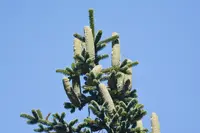
Cape cypress (Widdringtonia nodiflora) is an evergreen coniferous tree or large shrub native to mountainous regions of South Africa. It typically forms a narrow, upright crown with fine, aromatic foliage and small, rounded cones.

In nature it often grows on rocky slopes, where it tolerates wind, poor soils, and periods of dryness. These traits make it relatively tough but slow-growing in cultivation.

It prefers sunny, well-drained sites and does best in soils that are not constantly wet. Understanding these natural conditions helps guide how to care for Cape Cypress in gardens or specialized collections.

Main Plant Requirements

Care Difficulty

Moderate Care

Light Preference

Full Sun

Water Requirements

Low Water

Temperature Preference

Warm Climate

Hardiness Zone

9–11

Soil Texture

Sandy, Loamy, Rocky

Soil pH

Acidic (5.5–6.5), Slightly acidic (6.5–7.0)

Soil Drainage

Well-drained

Fertilization

Minimal (feed rarely)

Get Personalized Care Plan

Scan your plant to receive care tips personalized for your specific plant

Available on iOS and Android

How to Care for the Cape Cypress

This species prefers bright conditions similar to open, rocky hillsides in its native range, so light exposure strongly affects form and vigor.

  • Provide 6–8 hours of sun daily, with a mix of morning sun and light afternoon shade; young Cape Cypress plants benefit from filtered light during the hottest midday hours in summer.
  • Mature plants tolerate full sun, but in very hot, dry climates prolonged intense afternoon sun can scorch foliage, causing bronzing or browning at the tips.
  • In partial shade (4–5 hours of direct sun) growth becomes looser and less dense; consider light pruning and slightly increasing sun exposure during cooler seasons to maintain a compact shape.

Widdringtonia nodiflora prefers evenly moist but not wet soil and reacts quickly to prolonged drought or waterlogging.

  • In the ground, allow the top 3–5 cm of soil to dry before watering again; sandy, rocky soils suit this species, while heavy clay must be improved with grit or compost for better drainage.
  • In the first 1–2 growing seasons, watch for soft, yellowing foliage and a sour soil smell as signs of overwatering; reduce frequency and improve drainage if these appear.
  • Dry, curling, or shedding inner leaves, especially in hot, windy weather, indicate the plant is staying too dry; increase deep soakings rather than giving small, frequent surface waterings, particularly in summer.

This shrub is adapted to mild, seasonally dry climates and copes better with cool conditions than with extreme cold or prolonged heat combined with drought.

  • Best growth occurs around 60–77°F (16–25°C); moderate summer warmth with cool nights supports steady shoot and root development.
  • Established plants usually tolerate short drops to about 20–25°F (-6 to -4°C), but young or recently planted specimens are more frost-sensitive and benefit from wind shelter and mulch in cold snaps.
  • In hotter areas, temperatures above 90°F (32°C) are tolerated if soil moisture is adequate and roots are mulched; extended heat combined with dry soil can lead to tip dieback and sparse foliage.

This species handles a wide humidity range and usually does not need special humidity control.

  • Target 30–60% humidity, similar to most indoor and outdoor conditions in temperate homes and gardens.
  • Plants tolerate relatively dry air if watering and light are appropriate, so no misting is usually required for Cape Cypress.
  • If tips brown while soil moisture and light are appropriate, briefly raise humidity with a nearby water tray rather than wetting foliage.

Widdringtonia nodiflora prefers sharply drained, mineral-rich soil that stays aerated around the roots.

  • Use a sandy or gritty loam with 30–50% coarse mineral material such as horticultural sand, fine gravel, or grit to prevent waterlogging.
  • Keep pH slightly acidic to neutral (pH 6.0–7.0); avoid highly alkaline mixes that can limit nutrient uptake.
  • For containers, combine 50–60% peat-free potting mix with 20–30% coarse sand and 20–30% fine bark or perlite for structure and drainage.
  • Avoid compacted, heavy clay or mixes rich in un-decomposed compost, which hold water and restrict root aeration.

This species can be grown in containers if the pot is chosen to support its woody root system and upright form.

  • Select a deep, heavy pot (ceramic or concrete) to anchor the developing root system and reduce tipping in wind.
  • Leave a 3–5 cm gap below the rim so water can be applied slowly, allowing the mix to absorb moisture without overflow.
  • If standing outdoors, elevate the container slightly on feet or bricks so drainage holes stay clear and runoff moves away quickly.

This species is adapted to low-nutrient conditions, so fertilization for Cape Cypress should stay light and infrequent.

  • Use a balanced slow-release granular fertilizer or well-rotted compost for container or poor-soil plants.
  • Feed lightly once in spring and, if growth is weak, again in mid-summer, avoiding late-season applications.
  • Apply at 50–75% of the label rate to prevent salt buildup and overly lush, weak growth.
  • Skip feeding in fall and winter when growth slows, except for very mild climates with active growth.

Widdringtonia nodiflora needs only light, targeted pruning to maintain structure and health.

  • Carry out main pruning in late winter or very early spring before new growth starts.
  • Remove dead, diseased, crossing, or storm-damaged branches using clean, sharp bypass pruners or loppers.
  • Shorten or thin congested interior shoots to improve light penetration and airflow while keeping the natural habit.
  • Avoid heavy cuts into old wood; favor tip-thinning to guide height and spread without stressing the tree.

This conifer is usually grown in the ground, so focus on careful transplanting rather than frequent container repotting.

  • Transplant in late winter or early spring when the plant is less active and soil is workable.
  • Look for slow growth, roots circling the pot, or the root ball drying very fast as signs a container plant needs a larger space.
  • Move up only 1–2 pot sizes or into a prepared planting hole with well-drained soil at the same planting depth.
  • Water thoroughly before and after moving, shade from harsh sun for 1–2 weeks, and keep soil evenly moist to limit root stress.

Propagation of this species is moderately challenging, mainly done by seeds or semi-hardwood cuttings.

  • Collect ripe seeds, then use a free-draining, sandy mix; cool, slightly moist stratification often improves germination.
  • Sow in late winter to spring, keeping the medium just moist and in bright, indirect light with good airflow.
  • Take semi-hardwood cuttings in late summer, 8–12 cm long, removing lower foliage.
  • Dip cut bases in rooting hormone and place in a sterile, gritty mix at 65–75°F with high humidity until rooted.

This tree is moderately cold hardy but young or potted plants may need some winter protection in colder regions.

  • Expect established plants to tolerate light frosts but suffer damage in prolonged hard freezes.
  • Apply 5–8 cm of organic mulch around the root zone, keeping it slightly away from the trunk.
  • For container plants, move pots to a sheltered, unheated but frost-free spot with good light.
  • In exposed sites, use windbreaks or burlap screens to reduce drying winter wind on foliage.

Care Tips

Wind-hardening saplings

In the first 1–2 years, gradually expose young plants to stronger wind by reducing shelter and staking so they develop sturdy, tapered trunks less prone to snapping in storms.


Deep root training

During establishment, water less often but for longer sessions to encourage deep rooting, which improves drought tolerance and anchorage on slopes.

Thinning for airflow

Every 1–2 years selectively remove a few crowded interior twigs rather than shearing the outside, which improves light penetration and airflow and helps limit fungal issues when growing Cape Cypress.

Slope and rock use

Plant on a slight slope or near rocks where runoff is moderate, using the natural topography to provide good drainage and a slightly cooler root zone in hot weather.

Mulch collar management

Maintain a 5–8 cm mulch layer around the plant but keep a mulch-free collar of 5–8 cm from the trunk to reduce trunk rot and discourage rodents from gnawing the bark.

Common Pests and Diseases

Cypress aphids

This pest feeds on young twigs and foliage, causing gradual yellowing, needle drop, and dieback of branch tips. Symptoms include sticky honeydew on stems and the presence of sooty mold on affected areas.

Solution

Prune out heavily infested shoots and dispose of them, then hose down foliage thoroughly to dislodge aphids. If needed, apply a targeted insecticidal soap or light horticultural oil to young growth, repeating at 7–10 day intervals while monitoring for natural predators such as lady beetles.

Cypress bark beetles

These insects tunnel under the bark of stressed trees, disrupting water flow and causing sudden browning and death of branches or the entire plant. Small exit holes and fine boring dust at the base or in bark crevices are typical signs.

Solution

Remove and destroy heavily infested branches or dead trees promptly to reduce beetle breeding sites. Maintain plant vigor with proper watering, avoid mechanical damage, and, in high-risk areas, consult a local arborist about preventive trunk sprays during peak beetle flight periods rather than waiting for visible damage.

Cypress canker

This disease causes sunken, resinous lesions on stems and branches, leading to dieback beyond the infected area. Symptoms include browning foliage above the canker, cracked bark, and oozing resin around the lesion margins.

Solution

Cut back affected branches well below visible cankers into healthy wood, sterilizing pruning tools between cuts with alcohol or a 10% bleach solution. Improve airflow by reducing crowding, avoid overhead watering, and keep the plant well watered but not waterlogged to reduce stress that makes canker infection more likely.

Seiridium canker

This disease produces elongated, dark cankers on twigs and branches, often accompanied by resin exudation and scattered branch dieback throughout the crown. Symptoms include dull, gray-green foliage that turns brown and remains attached on affected shoots.

Solution

Prune and destroy infected branches during dry weather, cutting at least 15–20 cm below the last visible discoloration, and disinfect tools between each cut. Reduce drought and heat stress with consistent deep watering and mulch around the root zone, and avoid high-nitrogen fertilization that promotes vulnerable, soft growth.

Interesting Facts

Resprouting fire survivor

This species is adapted to South African fynbos fires and can resprout from a protected rootstock after its above-ground stems are killed by fire, instead of relying only on seed regeneration like many other conifers in the region.

Unusually hard timber

Its wood is fine-grained, heavy, and notably durable, and has been used locally for fence posts, construction, and small carpentry items because it resists decay better than many other native shrubs and small trees.

Mountain cliff specialist

In the wild it often grows on rocky mountain slopes and cliffs in the Cape region, where its deep root system anchors it into crevices and allows it to cope with poor, shallow soils and strong winds.

Botan icon

Did you know?

This species is one of the few African conifers able to form multi-stemmed, shrubby clumps in exposed high-altitude habitats, allowing populations to persist in sites that are too harsh for most tree-forming relatives.

FAQs about Cape Cypress

This species grows slowly to moderately, usually adding 10–30 cm per year once established. Growth is faster in deep, well‑drained soil with full exposure and good air circulation, and slower in containers or exposed, harsh sites.

Grow Healthy Plants with Botan Care

Keep your plants happy and healthy with plant identification, disease detection, and easy care guidance.

Botan plant care app — identify plants on mobile

Explore More Plants