Wind exposure planning
Site the tree so prevailing winds hit it from one main direction, then stake only on the opposite side for the first 2–3 years to reduce rocking and protect brittle young roots.

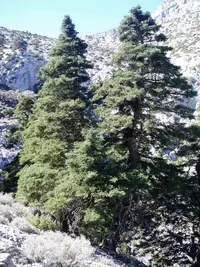
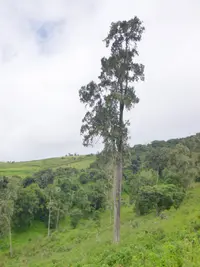
Spanish fir, Abies pinsapo, is an evergreen conifer known for its stiff, radial needles and dense, pyramidal form. It is usually grown as a feature tree in gardens and parks.
This species is native to the mountains of southern Spain, where it experiences cool, moist winters and relatively dry summers. In cultivation it prefers full light, good air flow, and well-drained, slightly acidic soil.
Abies pinsapo grows slowly and can be somewhat demanding outside its preferred climate, especially in hot, humid regions. Understanding how to care for Spanish Fir helps reduce stress from heat, drought, and poorly drained sites.

Care Difficulty
Moderate Care

Light Preference
Full Sun

Water Requirements
Moderate Water

Temperature Preference
Cold Hardy

Hardiness Zone
6–8

Soil Texture
Sandy, Loamy, Rocky

Soil pH
Acidic (5.5–6.5), Slightly acidic (6.5–7.0)

Soil Drainage
Well-drained

Fertilization
Minimal (feed rarely)
Scan your plant to receive care tips personalized for your specific plant
Available on iOS and Android
Abies pinsapo prefers cool, sunny conditions with some protection from harsh afternoon exposure.
Abies pinsapo needs consistent soil moisture without prolonged saturation.
This species is a cold-hardy conifer that prefers cool summers and tolerates substantial winter frost.
Abies pinsapo prefers relatively cool, moderately moist air but usually copes with typical outdoor humidity in its growing range.
Abies pinsapo needs deep, well-structured mineral soil that drains freely yet retains steady moisture.
This species is only moderately suitable for container growing and usually performs best when used as a temporary container specimen while young.
Abies pinsapo is slow-growing and usually needs only light, occasional feeding in typical garden soil.
Abies pinsapo needs minimal pruning, focusing mainly on health and structure rather than shaping.
Spanish fir is best grown in the ground, so management focuses on careful transplanting rather than frequent repotting.
Abies pinsapo propagation is possible but slow and usually undertaken by nurseries rather than home gardeners.
Mature Abies pinsapo trees are quite cold hardy and usually need only basic winter care in suitable climates.

Plant Health Check
Not sure what's wrong with your plant? Check your plant's health inside the app.
This species is a Tertiary relict, meaning it survived in small refuge areas while related firs disappeared from much of Europe after the last ice ages, leaving it confined to a few mountain ranges in southern Spain.
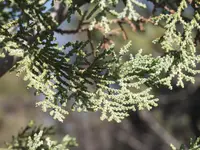
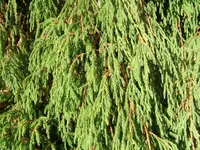
The short, rigid needles are arranged all around the twig in a dense, bottle-brush pattern, which gives the branches a cylindrical, textured appearance that differs from the flatter sprays of many other firs.
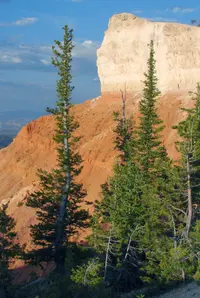
In the wild it occurs naturally only in a limited area of the Sierra de Grazalema, Sierra de las Nieves, and nearby mountains in Andalusia, where it forms high-altitude forests on cool, humid north-facing slopes.

Natural populations of this species declined so severely in the 19th and early 20th centuries from logging and land use change that it is now listed as Endangered on the IUCN Red List, and modern stands are the result of both strict protection and targeted restoration efforts in its Spanish mountain habitats.
This species grows slowly, usually 15–30 cm per year under good conditions. Growth is faster in deep, cool, evenly moist soil and cooler climates, and slower in heat, drought, or compacted ground.
Keep your plants happy and healthy with plant identification, disease detection, and easy care guidance.