Small-flowered Black Hawthorn Care (Crataegus pentagyna)

Also known as: Five-seeded Hawthorn
Small-flowered Black Hawthorn

About Small-flowered Black Hawthorn

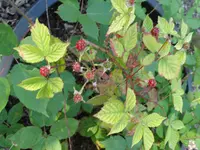
Small-flowered black hawthorn, Crataegus pentagyna, is a deciduous, thorny shrub or small tree from southeastern Europe and western Asia. It typically forms a dense, branching crown with small leaves and clusters of creamy-white spring flowers.

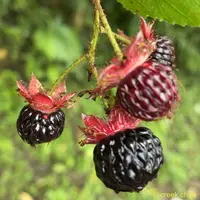
Later in the season it develops dark, almost black haws that attract birds and add ornamental interest. Its tough, adaptable nature and tolerance of pruning make it suitable for hedges, wildlife gardens, and naturalistic plantings.

It is generally hardy, wind tolerant, and manageable for gardeners who understand how to care for Small-flowered Black Hawthorn. It prefers sunny sites with well-drained soil and copes with a range of garden conditions once established.

Main Plant Requirements

Care Difficulty

Easy Care

Light Preference

Full Sun

Water Requirements

Moderate Water

Temperature Preference

Cold Hardy

Hardiness Zone

5–8

Soil Texture

Sandy, Loamy, Clay

Soil pH

Slightly acidic (6.5–7.0), Neutral (7.0)

Soil Drainage

Well-drained

Fertilization

Minimal (feed rarely)

Get Personalized Care Plan

Scan your plant to receive care tips personalized for your specific plant

Available on iOS and Android

How to Care for the Small-flowered Black Hawthorn

This hardy hawthorn performs best in open, bright conditions with consistent direct sun.

  • Aim for 6–8 hours of direct sunlight daily; full sun promotes dense branching, abundant flowers, and good fruit and leaf color.
  • The tree tolerates light partial shade, especially with morning sun and light afternoon shade in hotter regions, but flowering may be reduced.
  • Young or newly transplanted Small-flowered Black Hawthorn may benefit from temporary protection from harsh late-afternoon sun to limit leaf scorch in very hot, dry periods.

This species prefers evenly moist but well-drained soil rather than constant wetness.

  • Before watering established trees, allow the top 5–8 cm of soil to dry; soil should feel dry at the surface but still slightly cool and moist a little deeper.
  • Increase watering during the first 1–2 growing seasons and in long summer dry spells, using slow, deep soaking to encourage a deep root system in Crataegus pentagyna.
  • Reduce supplemental water in autumn and winter; persistent soggy soil, yellowing leaves, and dieback tips suggest overwatering, while crispy leaves and premature leaf drop indicate drought stress.

This hawthorn is a cold-hardy, temperate-climate tree that tolerates a wide temperature range once established.

  • Optimal growth occurs in mild conditions around 60–77°F (16–25°C) during the active spring and early summer growing period.
  • Mature trees are hardy and can tolerate winter lows near 0°F (−18°C) or below, but young plants benefit from mulch around the root zone to buffer freezing and thawing.
  • The plant handles summer heat up to about 86–95°F (30–35°C) if soil moisture is maintained; prolonged extreme heat combined with drought can cause leaf scorch and reduced flowering the following season.

Humidity is rarely critical for Crataegus pentagyna, which thrives in typical outdoor conditions of 30–60% without special measures.

Crataegus pentagyna prefers moderately fertile, well-drained mineral soil that does not stay waterlogged after rain or irrigation.

  • Use a loamy or sandy-loam structure with moderate organic matter, avoiding heavy peat-dominant mixes that hold water too long.
  • Aim for slightly acidic to neutral pH around 6.0–7.5, adjusting alkaline soils with composted organic matter if growth is weak.
  • Blend in coarse sand or fine gravel to improve drainage and aeration on compact or clay-prone sites.
  • Avoid sites where water regularly pools, as chronic saturation encourages root rot and weak anchoring.

This species can be grown in large containers for several years if the pot provides stable, well-drained root conditions.

  • Choose a deep, heavy container (ceramic or thick-walled) to reduce tipping risk as the woody canopy gains height and sail area.
  • Fill the pot with a gritty loam-based mix and a high proportion of mineral aggregate so water drains through within a few minutes of irrigation.
  • Position the container where wind exposure is moderated by walls or other structures so the developing tree is not rocked and destabilized.

This hardy hedgerow tree usually needs only light feeding in reasonably fertile soil.

  • Apply a thin layer of garden compost or well-rotted manure around the root zone each spring for Small-flowered Black Hawthorn.
  • In poorer soils, use a balanced slow-release fertilizer (around 10-10-10) once in early spring.
  • Avoid high-nitrogen products that push soft, pest-prone growth; keep rates on the low side of the label.
  • Do not feed in late fall or winter, when the plant is dormant.

Pruning Crataegus pentagyna supports strong structure, flowering, and safe, manageable size.

  • Carry out main pruning in late winter or very early spring before buds break.
  • Remove dead, diseased, or crossing branches first, then thin crowded interior shoots for better light and airflow.
  • Shorten overly long shoots to maintain a balanced crown and clear paths or buildings.
  • Use sharp bypass pruners or a clean pruning saw, cutting just outside the branch collar.

This hawthorn is usually grown in the ground, so focus on careful transplanting rather than frequent repotting.

  • Transplant young trees in late fall or early spring while dormant, when soil is workable.
  • Look for signs such as circling roots in a nursery pot or stalled growth as cues to move it.
  • Choose a site with well-drained soil and full sun, planting at the same depth as in the container.
  • Water deeply after planting, then keep soil evenly moist for the first season to limit transplant shock.

Propagation of Crataegus pentagyna is possible but relatively slow and best suited to patient growers.

  • Grow from seed sown outdoors in fall to allow natural cold stratification, which breaks dormancy.
  • Use fresh, cleaned seed in deep trays or nursery beds with free-draining, gritty substrate.
  • Semi-hardwood cuttings in late summer may root under high humidity and bottom warmth, though success rates vary.
  • Label young plants clearly and grow them on in a sheltered nursery bed for 2–3 years before final planting.

This hawthorn is cold hardy and usually needs minimal winter attention once established in the landscape.

  • Young trees benefit from 5–8 cm of organic mulch over the root zone, kept away from the trunk.
  • Container-grown plants in cold regions can be moved to a sheltered, unheated area to reduce root freezing.
  • Avoid winter pruning in very wet or freezing conditions to limit disease entry through fresh cuts.

Care Tips

Rootstock selection

For new plantings, choose grafted plants on disease-resistant hawthorn rootstocks to reduce fire blight and rust problems and to ensure more uniform growth and fruiting.


Framework training

In the first 3–5 years, select 3–5 well-spaced main branches and remove steep, crossing, or congested shoots to build a strong open-centered crown that resists wind and improves air flow.

Thorn-aware placement

Site the tree at least 1.5–2 m from paths, driveways, and play areas so the strong thorns do not interfere with access, maintenance, or safety during pruning and harvesting.

Targeted pest monitoring

From spring to mid-summer, inspect the undersides of leaves and young shoots every 1–2 weeks for aphids, leaf miners, and scale, and treat early with a strong water spray or horticultural oil if populations begin to build.

Wildlife and hedge use

When growing Small-flowered Black Hawthorn for wildlife value, plant several individuals 1.5–2 m apart to form a dense, thorny habitat that offers nesting sites and food for birds while also serving as a functional hedge or barrier.

Common Pests and Diseases

Hawthorn lace bug

This pest feeds on the undersides of leaves, causing pale stippling, bronzing, and early leaf drop. Symptoms include fine black specks of excrement and small, flat insects with lace-like wings.

Solution

Prune and dispose of heavily infested branches to reduce populations, and spray the undersides of leaves with a strong stream of water to dislodge nymphs. For repeated or heavy infestations, use insecticidal soap or a horticultural oil labeled for lace bugs, applied thoroughly to leaf undersides in calm, dry weather.

Hawthorn leaf miner

This pest creates winding or blotchy tunnels inside leaves, which turn brown and may drop early. Damage mainly affects appearance but can stress young trees if severe.

Solution

Rake and destroy fallen leaves to remove overwintering stages and break the life cycle. For ornamental trees with recurring problems, apply a systemic insecticide at bud-break according to label directions, or encourage natural predators by avoiding broad-spectrum insecticides.

Fire blight

This disease causes sudden blackening and wilting of blossoms, shoots, and young twigs, which often look scorched and may bend into a shepherd’s crook shape. Infections spread through warm, wet conditions, especially during flowering.

Solution

Prune out infected shoots at least 20–30 cm below visible symptoms during dry weather, disinfecting tools between cuts with alcohol or a 10% bleach solution. Avoid high-nitrogen fertilization and heavy summer pruning, and consider selecting less susceptible nearby plantings if fire blight is common in the area when growing Small-flowered Black Hawthorn.

Cedar-hawthorn rust

This disease produces yellow to orange spots on leaves and sometimes lesions on fruit and young twigs. Infected leaves may distort or drop early, and the fungus cycles between hawthorn and certain juniper species.

Solution

Remove and destroy affected leaves and fruit from the tree and ground to reduce spore sources. If possible, avoid planting susceptible junipers nearby, and in regions with persistent rust, consider preventive fungicide sprays at bud-break and during early leaf expansion, following local extension service guidance.

Hawthorn leaf spot

This disease causes small dark spots on leaves that can enlarge, merge, and lead to premature defoliation, especially in humid weather. Repeated heavy infections weaken the tree over time.

Solution

Improve air circulation by thinning crowded branches and avoiding dense hedging, and water at the base rather than over the foliage. Collect and discard fallen leaves in autumn, and in areas with chronic problems, a labeled fungicide can be used preventively from leaf emergence until early summer.

Interesting Facts

Darkest hawthorn fruits

This species produces unusually dark purple to almost black pomes, a fruit color that is rare among European hawthorns and helps distinguish it from closely related species in the field.

Specialist insect associations

In its native Balkan and Eastern European range, it serves as a host and food source for several specialist moth and other insect larvae that rely on its leaves and young shoots, contributing to local insect biodiversity.

Preference for calcareous soils

The species naturally favors dry, sunny slopes and scrub on calcareous (lime-rich) substrates in southeastern Europe, which is why it is often found on rocky hillsides and limestone outcrops rather than in moist lowlands.

Botan icon

Did you know?

The species has a fragmented, largely southeastern European distribution, occurring mainly in the Balkans and parts of Eastern Europe, and its precise taxonomic boundaries and relationship to closely allied hawthorn species have been the subject of ongoing botanical study and regional floristic revisions.

FAQs about Small-flowered Black Hawthorn

Yes, the small dark fruits are edible when fully ripe and are often used for jams, jellies, or herbal preparations. The raw taste is usually tart and dry. Avoid seeds, which contain cyanogenic compounds and should not be chewed.

Grow Healthy Plants with Botan Care

Keep your plants happy and healthy with plant identification, disease detection, and easy care guidance.

Botan plant care app — identify plants on mobile

Explore More Plants