Rubus swinhoei Care

Rubus swinhoei

About Rubus swinhoei

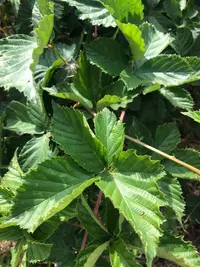
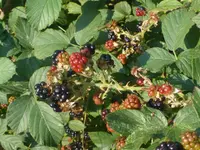
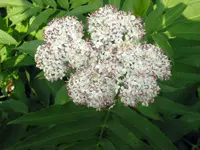
Rubus swinhoei is a scrambling, thorny bramble species in the rose family, related to familiar raspberries and blackberries. It typically forms arching canes with divided, serrated leaves and small seasonal flowers followed by clustered fruits.

This shrub is native to parts of East Asia, where it grows on hillsides, forest margins, and open thickets. It is generally robust and can spread where conditions suit it, so site choice and pruning matter more than delicate care.

Gardeners who want to care for Rubus swinhoei should note that it prefers sun to light shade, moderately moist but well-drained soil, and enough space to accommodate its vigorous growth habit.

Main Plant Requirements

Care Difficulty

Moderate Care

Light Preference

Partial Sun

Water Requirements

Moderate Water

Temperature Preference

Warm Climate

Hardiness Zone

Unknown

Soil Texture

Loamy, Sandy, Organic-rich

Soil pH

Acidic (5.5–6.5), Slightly acidic (6.5–7.0)

Soil Drainage

Moist but well-drained

Fertilization

Minimal (feed rarely)

Get Personalized Care Plan

Scan your plant to receive care tips personalized for your specific plant

Available on iOS and Android

How to Care for the Rubus swinhoei

This shrub prefers bright conditions similar to an open woodland edge.

  • Provide 4–6 hours of direct morning sun with light afternoon shade; strong late-day sun in hot summers can scorch leaves and dry canes.
  • Tolerates partial shade, but stems may elongate and fruiting decline if light drops below about 3–4 hours of direct or strong filtered light daily.
  • In cooler climates, a south or west exposure is suitable; in hotter areas, prioritize east exposure and light dappled shade during midsummer.

This bramble prefers steadily moist but not saturated soil.

  • Water when the top 3–5 cm of soil feels dry, aiming for consistently damp soil during active growth and fruiting, then slightly drier after harvest.
  • Use well-drained loam or amended garden soil so water moves through within a few minutes; extended puddling or a sour smell indicates poor drainage and risk of root rot.
  • In hot, dry spells, increase checks to every 1–2 days; drooping leaves and dry, crumbly soil signal thirst, while yellowing and soft, limp canes suggest overwatering.

This species grows best in mild to warm temperate conditions with a cool winter rest.

  • Optimal growth occurs around 60–80°F (16–27°C); flowering and fruiting are strongest when spring and early summer stay in this range without sudden extremes.
  • The plant tolerates brief drops to about 20°F (−7°C) once established, but young canes and buds are damaged by hard freezes, so mulch the root zone in cold climates.
  • In hot regions, growth slows above 90°F (32°C); provide soil mulch and some afternoon shade to limit heat stress and reduce moisture loss.

This bramble prefers moderate ambient humidity but usually adapts well to typical household levels.

  • Aim for 40–60% humidity to keep foliage turgid and reduce leaf-edge browning.
  • It tolerates short dry-air spells but prolonged very low humidity can cause crispy tips and reduced shoot growth.
  • Increase humidity with nearby water trays or grouped plants, and improve air circulation to prevent fungal issues.

This species grows best in loose, aerated, moisture-retentive but free-draining soil.

  • Use a loamy mix with 40–60% organic matter such as compost plus mineral components like perlite or coarse sand for structure.
  • Aim for slightly acidic to neutral pH around 6.0–7.0, which supports nutrient uptake and root activity.
  • Improve drainage and aeration by avoiding compaction, mixing in bark fines, and ensuring no dense, sticky clay dominates the blend.
  • Avoid heavy, waterlogged, or salt-laden soils that promote root rot and weak, chlorotic canes in Rubus swinhoei.

This species can be grown in containers if the pot provides enough depth and stability for its brambling habit.

  • Choose a wide, heavy container to counterbalance arching canes and prevent tipping in wind or when fruiting.
  • Select a pot at least 30 cm deep so roots can anchor well and resist drought between waterings.
  • Use a potting mix that drains quickly yet retains moderate moisture, and elevate the container slightly to keep drainage holes clear.

This shrub benefits from light feeding but can grow in modest soils without intensive input.

  • Use a balanced NPK granular or slow-release fertilizer or a thin layer of compost in early spring to support new growth.
  • Apply fertilizer every 6–8 weeks during the active growing season if growth or fruiting is weak.
  • Use fertilizers at 1/2–3/4 the label strength to limit salt buildup around shallow roots.
  • Stop feeding Rubus swinhoei in late summer to allow shoots to harden before winter dormancy.

Thoughtful pruning keeps Rubus swinhoei productive, manageable, and healthier.

  • Prune in late winter or very early spring before new buds break, when canes are easy to see.
  • Remove dead, diseased, or storm-damaged canes first, cutting back to healthy wood with clean bypass pruners.
  • Thin crowded, weak, or crossing stems to improve light penetration and air movement within the clump.
  • Shorten overly long canes to maintain size, encourage branching, and support flowering and fruiting wood.

This bramble is usually grown in the ground, so focus on careful transplanting rather than frequent repotting.

  • Transplant in late winter or early spring while plants are dormant and soil is workable.
  • Look for signs such as roots circling in the container, water running off quickly, or stunted growth before moving a plant.
  • Shift container plants only every 2–3 years, choosing a slightly larger pot with well-drained, fertile soil.
  • Reduce root stress by watering thoroughly before and after transplanting and by shading plants for 3–5 days if weather is warm.

Rubus swinhoei is commonly propagated to expand plantings or replace aging clumps.

  • Use tip layering in late spring to summer, pegging a flexible cane into moist soil until roots form, then severing it.
  • Take semi-ripe stem cuttings in summer, root them in a free-draining mix, and keep humidity high but foliage ventilated.
  • Divide established clumps in late winter or early spring, keeping several healthy buds and roots on each division.
  • Sow fresh seed in fall or after cold stratification, since many Rubus seeds need a cold period to break dormancy.

This shrub is generally cold hardy but benefits from basic winter preparation in colder regions.

  • Tolerates light to moderate frost once established, but young plants are more vulnerable to freeze damage.
  • Apply 5–8 cm of organic mulch around the root zone in late fall, keeping it slightly away from the stems.
  • In very cold or exposed sites, tie long canes loosely together and shelter them from drying winds.
  • Move container-grown plants into a sheltered, unheated but frost-sheltered area to protect roots from deep freezing.

Care Tips

Use sturdy trellising

Install solid wire or mesh supports before the canes reach 30–40 cm, then fan and tie new growth loosely with soft ties to keep fruiting canes well spaced and easy to harvest.

Rotate fruiting canes

Mark 1-year-old canes with colored ties and remove spent 2-year-old canes right after fruiting, which keeps the plant productive and reduces disease build-up in the thicket.

Mulch for cane protection

Apply a 5–8 cm layer of coarse organic mulch around, but not touching, the crowns to stabilize soil moisture, suppress weeds, and protect shallow roots that support new cane growth.

Targeted pest scouting

Inspect the undersides of leaves and young tips weekly during warm months and treat early signs of aphids or mites with a directed spray of water or a labeled horticultural soap before infestations spread through the bramble.

Managed suckering control

Slice off unwanted suckers with a sharp spade just below soil level at the edge of the planting zone, then immediately cover any bare soil with mulch to limit light-stimulated regrowth while still allowing room for growing Rubus swinhoei where it is desired.

Common Pests and Diseases

Raspberry aphids

This pest is often found on young shoots and the undersides of leaves, sucking sap and causing curling, distortion, and sticky honeydew that can lead to sooty mold. Symptoms include reduced vigor and misshapen new growth on canes and primocanes.

Solution

Prune and discard heavily infested shoot tips, then wash remaining foliage with a strong stream of water to remove colonies. If needed, use insecticidal soap or a light horticultural oil, applied thoroughly to leaf undersides in the early morning, and encourage natural predators such as lady beetles by avoiding broad-spectrum sprays when possible.

Spider mites

These insects thrive in hot, dry conditions and feed on leaf cells, causing fine stippling, bronzing, and sometimes delicate webbing on leaves and stems. Symptoms include dull, dusty-looking foliage and premature leaf drop, especially on stressed plants or canes grown under cover.

Solution

Increase humidity around the planting, hose down foliage regularly, and remove severely affected leaves. For persistent infestations, apply insecticidal soap or a miticide labeled for edible caneberries, making sure to coat the underside of leaves and repeating at the interval listed on the label.

Cane blight

This disease infects through wounds on canes, often after pruning or mechanical damage, and leads to sunken, dark lesions that can girdle stems. Symptoms include wilting and dieback of individual laterals or entire canes, with brittle, darkened tissue at the affected area.

Solution

Cut out and destroy blighted or dead canes down to healthy tissue during dry weather, and avoid pruning during or just before rain. Maintain good spacing and airflow, disinfect pruning tools between plants, and in regions with a history of cane blight, consider a preventative fungicide labeled for caneberry cane diseases right after pruning.

Anthracnose

This disease causes small, purple to gray sunken spots on young canes and leaves, which may coalesce and weaken stems, reducing yield and winter hardiness. Symptoms include rough, scabby lesions on canes and irregular spots on foliage, often starting in dense or poorly ventilated plantings.

Solution

Remove and discard infected canes and fallen leaves, and thin dense growth to improve airflow and faster drying after rain. In wet climates, apply a registered fungicide for caneberry anthracnose at bud break and again as new shoots elongate, following label intervals, and avoid overhead irrigation that keeps foliage wet for long periods.

Raspberry leaf spot

This disease produces small, round, pale spots on leaves that may merge and cause yellowing and early leaf drop, particularly on lower, shaded foliage. Symptoms include thinning of the canopy and reduced vigor, especially in seasons with frequent rain or overhead watering.

Solution

Rake and remove fallen leaves, prune to open the canopy, and irrigate at soil level rather than from above to keep foliage dry. In areas where leaf spot recurs, apply a caneberry-labeled fungicide at early leaf emergence and repeat as directed, and rotate planting sites or maintain a clean mulch layer to reduce splash-borne spores while focusing on consistent Rubus swinhoei care instructions to limit stress.

Interesting Facts

Evergreen Himalayan bramble

This species is an evergreen bramble native mainly to montane forests of Taiwan and adjacent East Asian regions, where it keeps its foliage year-round rather than dying back in winter like many temperate Rubus species.

Groundcover growth habit

It typically forms low, scrambling mats along the forest floor or on slopes, rooting as stems touch the ground and creating dense groundcover that helps stabilize soil in its native habitat.

Small red aggregate fruits

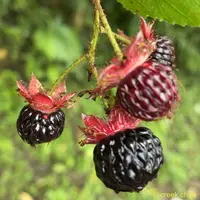
The plant produces small red aggregate fruits that resemble miniature raspberries and provide food for local birds and small mammals, which in turn disperse its seeds.

FAQs about Rubus swinhoei

This species spreads by arching canes and underground suckers, forming dense thickets over time. In favorable conditions it can become vigorous, so use root barriers, regular pruning, and monitoring to prevent unwanted spread into nearby beds or natural areas.

Grow Healthy Plants with Botan Care

Keep your plants happy and healthy with plant identification, disease detection, and easy care guidance.

Botan plant care app — identify plants on mobile

Explore More Plants