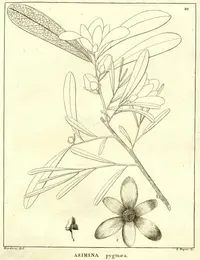
furrowed-stem bramble Care (Rubus sulcatus)

furrowed-stem bramble

About furrowed-stem bramble

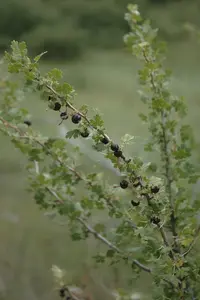
Furrowed-stem bramble (Rubus sulcatus) is a deciduous shrub in the rose family, grown mainly for its arching, thorny canes and edible blackberry-like fruits. It typically forms dense thickets with deeply grooved stems, which help distinguish it from many other brambles.

This species is native to parts of Europe and is usually found in woodland edges, hedgerows, and other semi-wild habitats. It is relatively robust and can spread quickly where conditions suit it.

The plant prefers sun to light shade, moderately moist conditions, and well-drained, fertile soil. Gardeners who care for furrowed-stem bramble should plan space for its vigorous growth and strong prickles.

Main Plant Requirements

Care Difficulty

Moderate Care

Light Preference

Partial Sun

Water Requirements

Moderate Water

Temperature Preference

Cold Hardy

Hardiness Zone

5–8

Soil Texture

Loamy, Silty, Organic-rich

Soil pH

Acidic (5.5–6.5), Slightly acidic (6.5–7.0)

Soil Drainage

Moist but well-drained

Fertilization

Minimal (feed rarely)

Get Personalized Care Plan

Scan your plant to receive care tips personalized for your specific plant

Available on iOS and Android

How to Care for the furrowed-stem bramble

Rubus sulcatus prefers full sun but will still crop in light shade.

  • Aim for 6–8 hours of direct sun daily; 4–6 hours plus bright open shade suits furrowed-stem bramble in hotter regions.
  • Give morning sun with light afternoon shade in areas above USDA zone 7 to reduce leaf scorch and moisture stress.
  • In cooler or cloudy climates, choose the sunniest site, as too much shade (under 4 hours direct sun) leads to long, weak canes and fewer fruits.

Rubus sulcatus needs steady soil moisture without prolonged saturation.

  • Irrigate when the top 3–5 cm of soil feels dry, applying a deep soak rather than light splashes to moisten the full root zone.
  • Use well-drained, loamy soil and mulch 5–8 cm deep to reduce evaporation while avoiding standing water, root rot, and sour smells.
  • Increase watering in hot, dry spells when leaves lose turgor and soil dries quickly, and cut back in cool, wet weather to prevent yellowing, wilting, and mushy roots.

This bramble is cold hardy but grows best in moderate temperatures.

  • Active growth is strongest at 60–75°F (16–24°C), with flowering and fruiting reliable when spring frosts are minimal.
  • Dormant plants tolerate winter lows near 0°F (−18°C) once established, but young canes benefit from mulch and wind protection.
  • In summer, plants handle up to about 85–90°F (29–32°C) if soil moisture is maintained; above this, provide mulch and light shade to limit heat stress and sunscald.

Humidity is rarely a limiting factor for Rubus sulcatus outdoors.

Rubus sulcatus prefers moist, well-aerated, moderately fertile ground.

  • Use a loamy soil rich in organic matter, such as garden loam mixed with compost, to support steady growth.
  • Ensure free drainage by incorporating coarse sand or fine gravel where soil tends to stay wet after rain.
  • Aim for slightly acidic to neutral conditions, around pH 6.0–7.0, avoiding very alkaline substrates.
  • Avoid heavy, compacted clay; improve structure and aeration by working in 20–30% well-rotted compost before planting.

This species can be grown in containers outdoors if the pot is chosen and managed carefully.

  • Select a deep, heavy container to anchor the vigorous, arching canes and prevent tipping in strong wind.
  • Fill the pot with a bark-based, loam-rich mix that drains quickly but retains enough moisture for sustained cane growth.
  • Position the container where it can be staked or tied to a support without the pot shifting or lifting.

Rubus sulcatus benefits from modest feeding in poor soils but often needs little input in fertile ground.

  • Apply a light layer of compost around the root zone in early spring to support new cane growth.
  • Use a balanced slow-release fertilizer (around 10-10-10) at half label rate once in spring if growth or fruiting seems weak.
  • Avoid high-nitrogen products, which push soft, leafy growth prone to pests and disease.
  • Stop fertilizing by late summer so canes harden properly before winter dormancy.

Rubus sulcatus responds well to structured pruning that separates fruiting canes from new growth.

  • Prune in late winter to early spring before buds break, when cane structure is easy to see.
  • Remove dead, diseased, or damaged canes at ground level using clean, sharp bypass pruners or loppers.
  • Thin crowded, weak, or crossing canes to improve air flow, reduce disease risk, and maintain manageable size.
  • After fruiting, cut spent floricanes to the base to encourage strong new primocanes for next year.

This species is usually grown in the ground, so focus on timely transplanting rather than frequent repotting.

  • Transplant young plants in early spring or fall when temperatures are mild and soil is moist but not waterlogged.
  • Look for signs such as roots circling a container, very quick drying soil, or stalled growth before upsizing pots.
  • Set plants at the same soil depth as before, spread roots gently, and backfill with loose, well-drained soil.
  • Water thoroughly after transplanting, then keep soil evenly moist for 2–3 weeks to limit transplant shock.

Rubus sulcatus is commonly propagated vegetatively to maintain plant characteristics and vigor.

  • Use tip layering in late summer by pegging a flexible cane tip into moist soil until roots form, then detach.
  • Take semi-ripe stem cuttings in mid to late summer, using 10–15 cm pieces placed in a free-draining, moist medium.
  • Divide established clumps in early spring, ensuring each division carries several healthy buds and roots.
  • Seeds can be sown but need cold stratification, and seedlings vary, so are less common for Rubus sulcatus plant care.

This bramble is generally cold hardy and needs only modest winter care in most temperate climates.

  • Tolerates typical winter frosts once established, though young plants benefit from extra protection in very cold zones.
  • Apply a 5–8 cm mulch layer over the root zone in late fall to moderate soil temperature and moisture.
  • In exposed sites, tie canes loosely to sturdy supports to reduce wind damage and cane breakage.
  • Container-grown plants in colder regions can be moved into an unheated garage or sheltered porch to prevent root freeze.

Care Tips

Two-wire support

Install a sturdy two-wire trellis at about 60 cm and 120 cm so new canes can be tied in quickly, which keeps stems upright, improves air movement, and makes harvesting and pruning safer and easier.

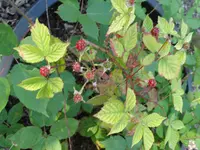
Summer cane selection

In midsummer, thin crowded new canes to roughly 10–15 strong, evenly spaced stems per meter of row to reduce shading, improve fruit size, and lower the risk of fungal disease.

Targeted tip layering

In late summer, bend 1–2 healthy, flexible first-year cane tips to the soil and pin them down to root, creating a controlled number of new plants instead of allowing uncontrolled suckering.

Sucker zone management

Create a defined bed or mowed strip around the planting and regularly remove shoots that emerge outside this zone to keep the bramble from invading paths, lawns, or neighboring beds.

Winter debris cleanup

After removing fruited canes in late fall or winter, collect and discard all prunings and fallen leaves rather than composting them onsite to reduce overwintering pests and diseases when caring for furrowed-stem bramble.

Common Pests and Diseases

Raspberry beetle

This pest targets flower buds and young fruits, causing dry, misshapen berries and small brown larvae inside the fruit. Symptoms include poor fruit set and crumbly, damaged drupelets.

Solution

Monitor flower clusters in spring and shake branches over a white tray to check for adults. Remove and destroy affected fruits, encourage birds and other predators, and use fine mesh over plants at flowering if infestation is recurrent; in small plantings, hand-pick adults and larvae where possible.

Cane blight

This disease causes dark, sunken lesions on canes, often starting at pruning wounds, leading to wilting side shoots and dieback above the infected area. Symptoms include bark cracking and brittle, easily broken canes.

Solution

Prune out and destroy infected canes as soon as symptoms appear, cutting well below the damaged area. Make clean pruning cuts during dry weather, avoid wounding canes, improve spacing and airflow, and avoid overhead watering to reduce humidity around stems.

Cane spot

This disease produces small purple or brown spots on young canes that enlarge into grey-centered lesions, weakening stems over time. Symptoms include reduced vigor and poor fruiting on affected canes.

Solution

Cut out and dispose of heavily spotted canes during dormant pruning and thin crowded growth to improve light and air penetration. Keep foliage dry by watering at the base, remove old fruited canes promptly, and disinfect pruning tools between plants to limit spread.

Botrytis fruit rot

This disease affects flowers and ripening berries, causing soft brown patches that quickly develop grey, fuzzy mold, especially in wet, cool conditions. Symptoms include berries that collapse and stick together in clusters.

Solution

Harvest fruit frequently and remove any damaged or moldy berries from the plant and ground. Open up the canopy by thinning canes, avoid wetting flowers and fruit, and apply a mulch under plants to reduce splash; in high-pressure situations, approved fungicides may be used according to label directions as part of broader Rubus sulcatus care.

Aphids

These insects cluster on young shoots and leaf undersides, sucking sap and causing curled, sticky, distorted foliage. This pest also produces honeydew that supports black sooty mold on leaves and stems.

Solution

Spray colonies off with a firm stream of water and pinch off heavily infested shoot tips. Encourage lady beetles and other natural predators, avoid high nitrogen fertilization that promotes soft growth, and use insecticidal soap or horticultural oil, making sure to cover leaf undersides thoroughly.

Interesting Facts

Deeply grooved canes

This bramble is named for its distinctly furrowed, strongly ridged stems, which make the canes easy to recognize among other Rubus species in the field.

Restricted native range

It is naturally native to parts of western and central Europe, especially the British Isles, and is not as widely distributed globally as many other wild brambles.

Hybridization potential

Like many Rubus species, it readily forms hybrids with closely related brambles, which contributes to the complex and taxonomically difficult Rubus species groups in Europe.

FAQs about furrowed-stem bramble

This species spreads by arching canes that root where they touch the soil and by suckering from the base. In good conditions it can form dense thickets, so edging, mowing, or root barriers help keep it contained.

Grow Healthy Plants with Botan Care

Keep your plants happy and healthy with plant identification, disease detection, and easy care guidance.

Botan plant care app — identify plants on mobile

Explore More Plants