purple chokeberry Care (Aronia × prunifolia)

purple chokeberry

About purple chokeberry

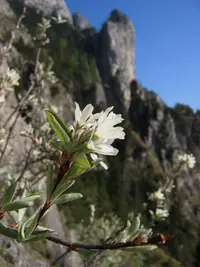
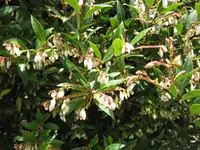
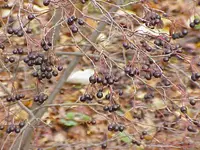
Purple chokeberry, Aronia × prunifolia, is a deciduous shrub grown for its white spring flowers, dark purple fruits, and strong red to orange fall color. It usually forms a dense, multi-stemmed clump that fits well in mixed borders, naturalized plantings, and wildlife gardens.

This hybrid occurs naturally in eastern North America, often in moist woods, bog edges, and open thickets. It is considered relatively easy to grow because it tolerates cold, wind, and a range of soils, including poor or acidic ground.

Plants prefer full sun to light shade and evenly moist, well-drained soil for best flowering and fruiting. Gardeners often find it straightforward to care for purple chokeberry once established.

Main Plant Requirements

Care Difficulty

Easy Care

Light Preference

Full Sun

Water Requirements

Moderate Water

Temperature Preference

Cold Hardy

Hardiness Zone

3–8

Soil Texture

Sandy, Loamy, Clay

Soil pH

Acidic (5.5–6.5), Slightly acidic (6.5–7.0)

Soil Drainage

Moist but well-drained

Fertilization

Minimal (feed rarely)

Get Personalized Care Plan

Scan your plant to receive care tips personalized for your specific plant

Available on iOS and Android

How to Care for the purple chokeberry

This shrub prefers full sun for best flowering and fruiting but accepts some light shade.

  • Provide 6–8 hours of direct sun daily; morning sun with light afternoon shade reduces leaf scorch in hot summers.
  • Tolerates partial shade (4–5 hours sun), but purple chokeberry will produce fewer flowers and berries and fall color may be less intense.
  • In cooler climates, full sun all day is ideal; in hotter zones, protect from intense west-facing afternoon sun to avoid stressed, pale foliage.

This species prefers consistently moist, well-drained soil, especially during its establishment phase.

  • Allow the top 3–5 cm of soil to dry between waterings; soil should feel slightly damp below the surface, not soggy.
  • During the first 1–2 growing seasons, check moisture 2–3 times per week; reduce frequency once Aronia × prunifolia is deeply rooted.
  • Watch for wilting, crisp edges, and very dry soil as signs of underwatering; yellowing leaves and soft stems usually indicate poor drainage or overwatering.

This hardy shrub tolerates a wide temperature range but grows best in moderate conditions.

  • Optimal active growth occurs around 60–75°F (16–24°C), typical of spring and early summer in many temperate regions.
  • Cold-hardy shrubs survive down to about -25°F (-32°C) when established, making them suitable for many USDA cold-winter climates.
  • Tolerates summer heat up to about 90°F (32°C) if soil moisture is maintained; prolonged hotter conditions may reduce flowering and stress foliage.

Aronia × prunifolia handles a wide humidity range and does not need special humidity management outdoors.

This shrub prefers moist, well‑structured mineral soil that stays aerated and never waterlogged.

  • Use a loamy or loam-sandy soil with moderate organic matter to support both moisture retention and drainage.
  • Aim for slightly acidic to neutral pH, roughly 5.5–7.0, which supports nutrient availability for Aronia × prunifolia.
  • In heavy clay, mix in compost plus coarse sand or fine grit to improve pore space and prevent standing water around roots.
  • Avoid compacted sites or spots that stay saturated after rain, which promote root rot and poor growth.

This species can be grown in containers for patios or small gardens if the pot is chosen carefully.

  • Select a deep, heavy container to anchor the shrub and reduce tipping from its bushy top growth and wind exposure.
  • Choose thick-walled or glazed pots in hot climates to slow moisture loss and reduce root-zone temperature swings.
  • Raise the container on pot feet or bricks so drainage holes stay clear and excess water escapes quickly after rain or watering.

This shrub is modest in its nutrient needs but responds well to light feeding on poor soils.

  • Use a balanced slow-release fertilizer (around 10-10-10) or a thin layer of compost in early spring before new growth starts.
  • Feed outdoor purple chokeberry once per year in spring; skip feeding on rich garden soils unless growth is weak.
  • Apply at half the label rate, keeping granules off stems and foliage, then water deeply to move nutrients into the root zone.
  • Do not fertilize in late summer or winter, as extra nitrogen then can stimulate soft growth and reduce cold hardiness.

Aronia × prunifolia benefits from periodic structural pruning to maintain a healthy, open shrub.

  • Carry out main pruning in late winter to very early spring, before buds break, using clean bypass pruners or loppers.
  • Remove dead, diseased, damaged, or crossing stems at the base to improve air flow and reduce disease pressure.
  • Thin out a few of the oldest stems every 2–3 years to encourage vigorous new shoots and better flowering.
  • Lightly shorten overly long branches after flowering if needed to maintain shape without removing most of the current year’s berries.

This shrub is usually grown in the ground, so focus on thoughtful transplanting rather than frequent repotting.

  • Transplant young plants in early spring or early fall, when temperatures are mild and soil is evenly moist.
  • Shift container plants only when roots circle the pot, water runs straight through, or growth becomes noticeably slow.
  • Move to a hole or container 1.5–2× wider than the root ball, using well-drained soil and setting the crown at soil level.
  • Water thoroughly after planting, mulch 5–8 cm deep, and keep soil evenly moist for the first growing season to limit transplant shock.

New plants are commonly produced from cuttings, suckers, or seeds with moderate patience and attention to conditions.

  • Take 10–15 cm softwood cuttings in late spring to early summer, using non-flowering shoots with several leaf nodes.
  • Insert cuttings into a moist, well-drained medium, apply rooting hormone, and keep humidity high with bright, indirect light.
  • Separate rooted suckers in early spring or fall, keeping a good portion of roots attached, then replant immediately and water well.
  • Sow stratified seed (after 2–3 months of cold, moist storage) in spring in a free-draining mix, keeping it just moist until germination.

This shrub is cold hardy across most temperate climates and usually needs minimal winter care in the ground.

  • Tolerates freezing winters once established, with dormant wood and roots adapted to subfreezing temperatures in many regions.
  • Apply a 5–8 cm mulch layer over the root zone in late fall to moderate soil temperature and retain moisture.
  • For container plants, move pots into a sheltered, unheated but frost-moderated spot or insulate the container to prevent root freeze-thaw damage.

Care Tips

Encourage Suckering

Leave some room around the base and avoid deep edging so the shrub can send up new shoots that thicken the hedge and increase fruit yield over time.

Timed Rejuvenation Cuts

Every 3–4 years, remove a few of the oldest stems right at ground level in late winter to maintain vigorous new growth and prevent the shrub from becoming woody and sparse.

Bird Protection Netting

Install fine, draped netting over the shrub just as berries begin to color to reduce bird damage while still allowing pollinators access earlier in the season.

Mulch for Berry Quality

Maintain a 5–8 cm layer of shredded bark or wood chips over the root zone, keeping it a few cm away from stems, to stabilize soil moisture and improve fruit size and uniformity when growing purple chokeberry.

Prevent Suckers Spreading

Where spread must be controlled, slice a clean spade line or install a shallow root barrier 30–40 cm from the crown to stop unwanted suckers invading nearby beds or lawn.

Common Pests and Diseases

Pear psylla

This pest feeds on leaves and young shoots, causing curling, yellowing, and sticky honeydew that can lead to sooty mold growth. Heavy infestations may reduce vigor and flowering.

Solution

Monitor new growth in spring and early summer, and prune out heavily infested shoots. Hose down foliage to remove nymphs and honeydew, encourage natural predators like lady beetles, and if needed use a targeted insecticidal soap or horticultural oil spray applied thoroughly to leaf undersides.

Spider mites

These insects are tiny sap feeders that cause fine stippling, bronzing, and a dull appearance on leaves, often with fine webbing in dry, hot weather. Symptoms include premature leaf drop if populations build up.

Solution

Increase humidity around the shrub with occasional overhead rinsing, and spray the foliage with a strong stream of water to dislodge mites. For persistent problems, use insecticidal soap or a labeled miticide, making sure to cover both upper and lower leaf surfaces and repeating as directed.

Leaf spot complex

This disease group, often caused by fungi like Cercospora or Septoria, creates small purple, brown, or tan spots on leaves that can merge and lead to early defoliation. Symptoms include heavier spotting on older leaves and during wet, humid weather.

Solution

Rake and discard fallen leaves, and prune to open the shrub canopy for better airflow and faster drying. Avoid overhead watering when possible, and in severe, recurring cases consider a preventative fungicide labeled for ornamental shrubs, applied at leaf-out and repeated as recommended.

Fire blight

This disease is a bacterial infection that causes shoot tips and flower clusters to turn black, shrivel, and often bend into a characteristic shepherd’s crook. Infected tissues may appear scorched and can spread rapidly in warm, wet spring weather.

Solution

Prune out infected shoots 20–30 cm below visible damage during dry weather, disinfecting pruning tools between cuts with alcohol or a 10% bleach solution. Avoid heavy nitrogen fertilization that stimulates lush, susceptible growth, and remove severely affected branches or plants to slow spread.

Powdery mildew

This disease produces a white, powdery coating on upper leaf surfaces, which can lead to distorted growth and reduced vigor, especially in shaded, humid locations. In most cases it is mainly cosmetic but can stress young shrubs.

Solution

Improve light and air movement by thinning crowded stems and avoiding tight plant spacing, and water at the base rather than overhead. For noticeable infections, remove the most affected leaves and apply a labeled fungicide such as a horticultural oil, sulfur, or bicarbonate product, following label rates and timing.

Interesting Facts

Hybrid origin lineage

This shrub is a naturally occurring hybrid between red chokeberry (Aronia arbutifolia) and black chokeberry (Aronia melanocarpa), and many wild populations contain a mix of genetic traits from both parents.

High pigment diversity

Its fruits show a wide range of dark red to nearly black colors because they combine anthocyanin profiles from both parent species, which also contributes to their intense astringent taste.

Wide habitat tolerance

In its native eastern North American range, this species grows in both wet habitats such as bog margins and ditches and relatively dry, open woodlands, demonstrating strong tolerance to variable soil moisture and acidity.

Botan icon

Did you know?

This hybrid chokeberry has been the focus of genetic and taxonomic debate, and in some floras it is treated as a stabilized nothospecies (a named hybrid species), reflecting how persistent hybridization can produce recognizable, self-sustaining wild populations over time.

FAQs about purple chokeberry

The fruits are edible but very astringent when raw, so they are usually processed into jams, jellies, juices, or wine. They contain antioxidants and are considered safe when used as food in normal household quantities.

Grow Healthy Plants with Botan Care

Keep your plants happy and healthy with plant identification, disease detection, and easy care guidance.

Botan plant care app — identify plants on mobile

Explore More Plants