
cranberry Care (Vaccinium macrocarpon)

Also known as: American Cranberry, Large cranberry, Wild Cranberry
cranberry

About cranberry

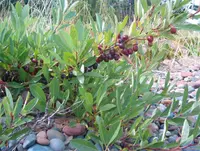
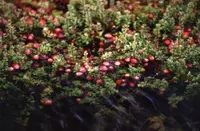
Cranberry, Vaccinium macrocarpon, is a low-growing, woody evergreen shrub that forms dense mats of fine stems in cool, acidic bogs and wetlands. It is native to North America, especially the northern United States and Canada. The plant has small, glossy leaves, delicate pinkish flowers, and firm red berries that ripen in fall. Its natural habitat and preference for moist, acidic, well-drained soil make it more specialized than many common garden fruits. Understanding how to care for cranberry, including its need for consistent moisture and full sun, helps make this species manageable even for small-scale home growers.

Main Plant Requirements

Care Difficulty

Moderate Care

Light Preference

Full Sun

Water Requirements

Keep Soil Moist

Temperature Preference

Cold Hardy

Hardiness Zone

2–7

Soil Texture

Sandy, Peaty, Organic-rich

Soil pH

Strongly acidic (4.5–5.5)

Soil Drainage

Waterlogged tolerant

Fertilization

Minimal (feed rarely)

Get Personalized Care Plan

Scan your plant to receive care tips personalized for your specific plant

Available on iOS and Android

How to Care for the cranberry

Vaccinium macrocarpon needs high light levels to flower and fruit well in most outdoor sites.

  • Provide full sun for 6–8 hours daily, with exposure to morning sun and some light afternoon shade in hotter regions to reduce leaf scorch.
  • Plant cranberry where it receives at least 4–5 hours of direct sun; in cooler coastal areas, all-day sun is usually well tolerated.
  • In dense shade plants grow leggy, set fewer berries, and are more disease-prone, so thin nearby vegetation if canopies start to block light, especially in summer.

This species prefers constantly moist but not stagnant, waterlogged soil around the root zone.

  • Aim for evenly damp soil, allowing only the top 1–2 cm to dry slightly between waterings; roots should never sit in standing water for long periods.
  • In sandy or peat-based beds, increase watering frequency during hot, windy weather and reduce it in cool, rainy seasons to prevent root rot.
  • Vaccinium macrocarpon shows thirst through dull, drooping foliage, while overwatering appears as yellowing leaves, weak new growth, and a sour, swampy soil smell.

Stable cool to mild temperatures support healthy growth and fruiting in this bog-adapted shrub.

  • Active growth is best at 60–75°F (16–24°C); flowering and berry development are most reliable within this range during spring and early summer.
  • The plant tolerates winter cold down to about -20°F (-29°C) once established, but young plants benefit from mulch to buffer freeze–thaw cycles.
  • In summer, prolonged heat above 85°F (29°C) can stress plants; maintain soil moisture and consider light afternoon shade to limit heat damage.

Humidity plays a minor role for cranberry, which mainly prefers consistent soil moisture over air moisture.

This species needs consistently moist, acidic, organic-rich soil that drains freely yet never dries out completely.

  • Use a peat-based mix with added coarse sand and fine pine bark to mimic wet, sandy bog conditions.
  • Aim for a strongly acidic pH of 4.0–5.5; mix in elemental sulfur or acidifying fertilizers if tap water is alkaline.
  • Keep the structure loose and airy so fine roots can spread; avoid compacting the surface when watering or mulching.
  • Do not use heavy clay or lime-amended mixes, which restrict drainage and quickly push Vaccinium macrocarpon out of its required acidic range.

This species can be grown in containers if the pot supports constant moisture and stable acidity.

  • Choose a wide, low container at least 20–25 cm across to accommodate its creeping habit and shallow root system.
  • Select thick-walled plastic or glazed ceramic pots to slow water loss and help maintain even moisture levels.
  • Set the pot in a shallow, watertight tray so overflow water briefly pools and then absorbs, imitating boglike wetness without full submersion.

Vaccinium macrocarpon benefits from light, targeted feeding rather than heavy fertilization.

  • Use an acid-forming fertilizer or composted pine bark, or a balanced NPK like 10-10-10 formulated for acid-loving plants.
  • Feed lightly every 4–6 weeks during active growth in spring and early summer only.
  • Apply at 1/2–3/4 label strength to avoid salt buildup in the shallow root zone.
  • Stop fertilizing in late summer and do not feed during winter dormancy.

Vaccinium macrocarpon responds well to periodic pruning that maintains a dense, productive mat of vines.

  • Carry out main pruning in late winter or very early spring before new growth starts.
  • Remove dead, diseased, and damaged runners first, then thin crowded or overly long vines.
  • Shortening vigorous runners encourages branching and improves flowering and fruit set within the bed.
  • Use clean, sharp hand pruners or shears, making cuts just above healthy buds or lateral branches.

Cranberry is usually grown in beds, so care focuses on transplanting young plants or renewing crowded patches.

  • Transplant in early spring or early fall when temperatures are mild and soil is moist but not waterlogged.
  • Look for slow growth, weak coverage, or dense, woody centers as signs that a patch needs lifting and replanting.
  • Divide sections with healthy roots and shoots, replanting them at the same depth into acidic, organic, consistently moist soil.
  • Water thoroughly after transplanting and shade lightly for 3–7 days to limit transplant shock and root stress.

Vaccinium macrocarpon is commonly propagated to thicken beds and establish new planting areas.

  • Use layering or tip cuttings in late spring to midsummer when vines are actively growing.
  • For layering, pin flexible runners into moist, acidic soil until they root, then detach and transplant.
  • For cuttings, use semi-ripe tips 7–10 cm long, dipped in rooting hormone and placed in a sterile, moist, well-drained mix.
  • Keep humidity high, light bright but indirect, and temperature around 65–75°F to encourage reliable rooting.

Vaccinium macrocarpon is cold hardy in suitable climates but benefits from some winter root-zone protection.

  • Tolerates freezing conditions once established, especially in regions with reliable snow cover.
  • Apply a 5–8 cm layer of acidic mulch, such as pine needles or shredded bark, around plants in late fall.
  • For container-grown plants, move pots into an unheated but frost-free or slightly sheltered area to prevent root damage.

Care Tips

Use low mounding

Lightly mound peat-based soil 5–10 cm high in beds so the surface stays moist but not waterlogged, which supports fine root and runner development.

Runner management

Pin healthy runners to the soil with small U-shaped wire pins or biodegradable clips to encourage fast mat formation and more fruiting uprights in the following years.

Autumn sanding

Every 2–3 years in late winter or very early spring, top-dress the bed with a 0.5–1 cm layer of clean, coarse sand to suppress weeds, reduce fungal issues, and stimulate new upright shoots.

Targeted frost protection

In regions with late spring frosts, cover plants overnight with frost cloth or lightweight row cover when buds or open flowers are present, then remove in the morning to avoid overheating.

Bird and fruit protection

Install fine mesh netting over low hoops once berries start to color to reduce bird damage and sunscald while still allowing good air movement for healthy growing cranberry.

Common Pests and Diseases

Cranberry fruitworm

This pest is a small moth whose larvae tunnel into developing berries, causing premature reddening, shriveling, and fruit drop. Symptoms include berries with entry holes and brown, frass-filled interiors.

Solution

Monitor flower and early fruit clusters in late spring and early summer and remove and destroy any infested berries to break the life cycle. In larger plantings, use pheromone traps to time treatments and apply a labeled Bacillus thuringiensis (Bt) product to young larvae, combined with good sanitation of dropped fruit around the beds.

Cranberry tipworm

This pest is a tiny fly whose maggots feed inside young shoot tips, causing distorted, stunted, or blighted new growth. Symptoms include reddened, swollen tips that fail to elongate and may die back.

Solution

Prune and remove damaged shoot tips during the growing season to reduce larvae and pupae. In commercial or dense beds, monitor new growth closely and, if damage is persistent, use a targeted insecticide labeled for cranberry tipworm, applying it when new shoots are just emerging and following local extension guidance.

False armyworm

This pest is a noctuid caterpillar that chews cranberry leaves, buds, and fruit, leading to ragged foliage and scarred or hollowed berries. Symptoms include defoliation patches and droppings on vines and beds.

Solution

Hand-pick visible caterpillars on small plantings and destroy them, and encourage natural predators by maintaining plant diversity around the bog. For heavier infestations, monitor with sweep nets at night or early morning and apply Bt or another selective caterpillar treatment when small larvae first appear.

Red leaf spot

This disease is caused by the fungus Exobasidium rostrupii and leads to circular, bright red spots on leaves, often with pale centers, and sometimes distortion or early leaf drop. Symptoms become more visible in late spring to early summer on older leaves.

Solution

Remove and discard heavily infected stems and leaves to lower the amount of fungal inoculum. Maintain good air movement by avoiding overly dense vine mats and, where disease is persistent, apply a fungicide labeled for cranberry leaf spots at early shoot expansion, following regional timing recommendations for Vaccinium macrocarpon care.

Cottonball

This disease, caused by the fungus Monilinia oxycocci, infects flowers and developing fruit, turning berries into light, cottony masses inside while the outer skin may look pale or off-color. Symptoms include blighted blossoms and mature berries that feel light and spongy when squeezed.

Solution

Rake and remove mummified or cotton-filled berries from beds and edges to reduce overwintering inoculum. In areas with a history of cottonball, apply a fungicide labeled for Monilinia at early bloom and again at full bloom, and avoid overhead irrigation during flowering and early fruit set to reduce leaf and fruit wetness duration.

Interesting Facts

North American native bog

This cranberry species is native to acidic peat bogs and wetlands across northeastern North America, where it forms low, mat-forming vines that help stabilize the sphagnum moss surface.

Air-filled fruit chambers

The berries have internal air pockets that allow them to float, which is why commercial growers can flood fields and use water to easily separate and harvest ripe fruit during wet harvest.

Specialized fungal partnerships

The roots form ericoid mycorrhizae, a specialized type of symbiosis with fungi that helps the plant access nutrients like nitrogen in nutrient-poor, acidic soils.
Botan icon

Did you know?

Cranberries from this species were among the first fruits cultivated commercially in North America, with documented managed beds in Massachusetts dating back to the early 1800s, and they remain one of the few major fruit crops still closely tied to natural wetland-style habitats.

FAQs about cranberry

Yellowing foliage often results from waterlogged roots, alkaline soil, or nutrient imbalance, especially iron deficiency. Check drainage, keep soil consistently moist but not saturated, and maintain an acidic pH. Correcting pH usually restores healthy green color over time.

Grow Healthy Plants with Botan Care

Keep your plants happy and healthy with plant identification, disease detection, and easy care guidance.

Botan plant care app — identify plants on mobile

Explore More Plants