European plum Care (Prunus domestica)

Also known as: Plum
European plum

About European plum

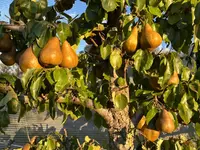
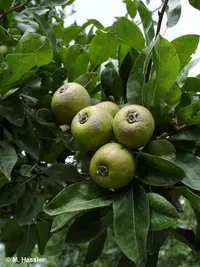
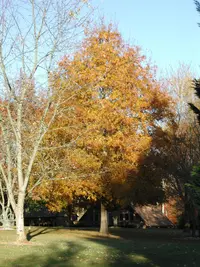
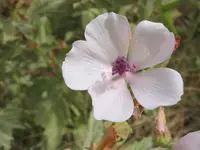
European plum, Prunus domestica, is a deciduous fruit tree grown for its sweet, fleshy plums. It is usually cultivated as a small to medium tree with an open, spreading crown. Flowers are white and appear in early spring, followed by oval fruits in late summer. European plum originates from Europe and western Asia but is now widely grown in temperate regions. It responds well to basic pruning and is considered manageable for most home gardeners. To care for European plum, provide full sun, moderately moist but well-drained soil, and protection from late frosts in colder areas.

Main Plant Requirements

Care Difficulty

Moderate Care

Light Preference

Full Sun

Water Requirements

Moderate Water

Temperature Preference

Cold Hardy

Hardiness Zone

4–8

Soil Texture

Sandy, Loamy, Clay

Soil pH

Acidic (5.5–6.5), Slightly acidic (6.5–7.0)

Soil Drainage

Well-drained

Fertilization

Minimal (feed rarely)

Get Personalized Care Plan

Scan your plant to receive care tips personalized for your specific plant

Available on iOS and Android

How to Care for the European plum

Prunus domestica needs abundant direct sun to flower and fruit well outdoors.

  • Provide 6–8 hours of direct sun daily; full sun is ideal, especially from mid-morning to late afternoon.
  • Tree tolerates light partial shade (3–4 hours sun), but European plum yields and sweetness decrease as shade increases.
  • In hot inland summers, protect from intense late-afternoon sun with slight western shade and ensure open canopies so inner branches receive enough light through the season.

Prunus domestica prefers steadily moist, well-drained soil rather than frequent shallow watering.

  • Before watering, check that the top 5–8 cm of soil are dry, then water deeply so moisture reaches the main root zone.
  • Expect more frequent watering in the first 2–3 growing seasons and during hot, dry weather; reduce frequency during cool or rainy periods and in winter dormancy.
  • Watch for yellowing leaves and soft growth as signs of overwatering or poor drainage, and wilting or leaf drop as signs of underwatering.

This species is a hardy temperate fruit tree that needs cool winters and mild to warm growing seasons.

  • Optimal growing temperatures are about 60–80°F (16–27°C); growth slows noticeably below 50°F (10°C) and above 90°F (32°C).
  • Dormant trees tolerate winter lows down to about 0°F (−18°C) once established, but young trees need protection from severe cold and drying winds.
  • Flowers and young fruit are sensitive to late frosts; protect during bloom if temperatures threaten to drop below 28°F (−2°C) on clear spring nights.

Humidity is not a critical factor for Prunus domestica, which adapts well to typical outdoor air conditions.

Prunus domestica performs best in deep, well-drained loam with stable structure and moderate organic content.

  • Aim for a loamy soil with balanced sand, silt, and clay, enriched with 15–30% compost for nutrients and structure.
  • Ensure drainage by avoiding compacted ground; on heavy clay sites, build a raised bed and incorporate coarse sand or fine bark.
  • Keep soil pH around 6.0–7.0; on acidic soils, apply garden lime gradually and retest before further adjustment.
  • Avoid sites that stay waterlogged after rain, since saturated roots increase risk of root rot and weak growth.

Prunus domestica can be grown in large containers, especially on dwarf or semi-dwarf rootstocks.

  • Choose a heavy, wide container at least 45–60 cm in diameter to provide root volume and prevent the tree from tipping in wind.
  • Use a bark-based or loam-based potting mix rather than garden soil to maintain aeration and prevent compaction over time.
  • Position the container where runoff can drain freely, since repeated standing water around the pot base encourages root and collar rot.

Prunus domestica benefits from moderate, targeted feeding to support fruiting rather than heavy fertilization.

  • Apply a balanced granular NPK fertilizer (such as 10-10-10) in early spring as new growth starts, following label rates.
  • Supplement with 2–5 cm of compost over the root zone once a year to improve soil structure and nutrient supply.
  • During the growing season, avoid additional high-nitrogen feeds that can reduce flowering and fruit set in European plum.
  • Stop feeding by late summer and do not fertilize in winter, or use at most half-strength if container-grown under extended growth.

Prunus domestica responds well to structured pruning that maintains an open, productive canopy.

  • Carry out main pruning in late winter to very early spring, before buds swell but after the coldest weather has passed.
  • Remove dead, diseased, crossing, or inward-growing branches first to reduce disease risk and improve airflow.
  • Thin crowded shoots and shorten overly vigorous upright growth to maintain a balanced, bowl-shaped tree structure.
  • Use clean, sharp bypass pruners or a pruning saw, making smooth cuts just outside the branch collar to promote proper healing.

European plum is usually grown in the ground, so focus on careful transplanting and only occasional container repotting.

  • Transplant young trees in late winter to early spring while dormant, choosing a sunny, well-drained site with enough space to mature.
  • Move container plants when roots circle the pot, drainage is poor, or growth declines despite good care, typically every 2–4 years.
  • Water the tree thoroughly before and after moving, keep as much root ball intact as possible, and avoid breaking major roots.
  • After transplanting, stake if necessary, keep soil evenly moist for the first season, and avoid heavy pruning at the same time to limit stress.

Prunus domestica is most reliably propagated by grafting onto suitable rootstocks rather than by seed.

  • Use dormant hardwood scion wood and compatible rootstocks, performing whip-and-tongue or cleft grafts in late winter to early spring.
  • Keep graft unions above soil level and secure tightly with grafting tape or similar material to maintain good cambium contact.
  • For hardwood cuttings, take pencil-thick shoots in late winter, treat bases with rooting hormone, and place in a free-draining, moist medium.
  • Seed propagation is possible but variable; stratify seeds in moist medium at 34–41°F for 3–4 months before sowing in spring.

Prunus domestica is generally cold hardy in temperate climates but benefits from basic winter care, especially when young or container-grown.

  • Expect good frost tolerance once established, but young trees may suffer damage in exposed, windy sites.
  • Apply 5–8 cm of organic mulch around the root zone in late fall, keeping it clear of the trunk to reduce rot risk.
  • For container plants, move pots into a sheltered, unheated but frost-moderated area or insulate containers with wrap or straw.
  • Avoid late-season nitrogen fertilization so growth hardens off properly before winter, reducing susceptibility to freeze injury.

Care Tips

Use a training post

Install a sturdy stake or training post on the windward side at planting and tie the trunk loosely with a soft, flexible tie to keep the tree upright while the root system establishes in the first 2–3 years.

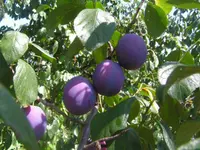
Thin young fruits

When fruits reach marble size, remove excess so that plums are spaced about 7–10 cm apart along the branch to reduce branch breakage and improve fruit size and quality.

Paint lower trunk

In regions with strong winter sun, brush the lower 30–60 cm of the trunk with white interior latex paint diluted 1:1 with water to prevent sunscald and bark splitting on young trees.

Monitor for borers

Check the lower trunk and major branches a few times each growing season for sawdust-like frass and oozing gum, and promptly prune out and destroy infested wood to limit damage from borer insects.

Use mulch strategically

Apply a 5–8 cm layer of organic mulch in a wide ring, keeping it 8–10 cm away from the trunk, to stabilize soil moisture, moderate root temperature, and reduce weed competition while caring for European plum.

Common Pests and Diseases

Plum curculio

This pest is a small beetle whose larvae tunnel inside young fruits, causing scarring, distortion, and premature fruit drop. Symptoms include crescent-shaped egg-laying scars on the fruit surface and wormy plums that fall early.

Solution

Collect and destroy dropped, infested fruit throughout the season to break the life cycle, and rake or lightly cultivate soil under trees in late fall to expose overwintering beetles. Use fine netting or bag individual young fruits after petal fall, and if needed apply a targeted fruit-tree insecticide labeled for plum just after petal fall and again according to label directions, timing sprays to avoid bloom and pollinator activity.

Black knot

This disease produces hard, black, swollen galls on twigs and branches, which gradually girdle and kill affected wood. Symptoms include rough, coal-black growths that enlarge over several years and can reduce flowering and fruiting.

Solution

Prune out infected twigs at least 15–20 cm below visible galls during dry weather in late winter, and burn or dispose of all prunings away from the tree. Maintain an open canopy through regular pruning to improve airflow, and in areas with a history of black knot consider preventive fungicide sprays labeled for stone fruit, starting at white bud and continuing through shuck split when conditions are wet.

Brown rot

This disease attacks blossoms and fruit, causing blossom blight and soft, rapidly rotting plums covered with tan spore pads. Symptoms include mummified fruits that remain on branches and can serve as a source of infection the following year.

Solution

Remove and discard all infected fruit, including dried mummies on the tree and on the ground, and prune out blighted twigs during dry weather. Improve air circulation by thinning fruit so they do not touch, avoid overhead watering on the canopy, and where brown rot is common follow labeled fungicide programs for stone fruit from early bloom through pre-harvest as part of broader Prunus domestica care.

Aphids

These insects cluster on young shoots and leaf undersides, sucking sap and causing curling, distortion, and sticky honeydew that can attract sooty mold. Symptoms include stunted new growth and the presence of ants tending the colonies.

Solution

Spray colonies off young shoots with a strong stream of water and pinch out heavily infested shoot tips. Encourage natural predators such as lady beetles, avoid excessive nitrogen fertilization that promotes soft growth, and if populations remain high use insecticidal soap or horticultural oil thoroughly on leaf undersides, repeating as needed according to label directions.

Bacterial canker

This disease causes sunken, gummy cankers on trunks and branches, along with dieback of buds and blossoms, especially in cool, wet spring weather. Symptoms include oozing amber gum, darkened bark, and sudden wilting of affected shoots.

Solution

Prune out cankered branches during dry weather in late summer or mid-winter, cutting at least 15–20 cm below visible symptoms, and disinfect pruning tools between cuts with alcohol or a 10% bleach solution. Avoid pruning in wet spring conditions, protect trees from mechanical wounds and winter injury, and maintain tree vigor through proper watering, balanced fertilization, and avoidance of planting in poorly drained or highly stressed sites.

Interesting Facts

Hybrid origin species

Prunus domestica is considered a natural hybrid, most likely derived from crosses between Prunus spinosa (blackthorn) and cherry plum relatives, which helps explain its wide variation in fruit size, color, and flavor among traditional cultivars.

Self-fertility differences

Many common European plum cultivars such as 'Stanley' are partially or fully self-fertile, while others need cross-pollination from a compatible P. domestica cultivar, which strongly influences orchard layout and fruit set.

Cold climate adaptation

European plum tolerates colder winter conditions than Japanese plum (Prunus salicina), and requires a relatively high number of winter chill hours to break dormancy and flower reliably in spring.

Botan icon

Did you know?

Archaeological evidence from sites in Europe shows that European plums were already being cultivated and selected by humans in classical antiquity, making Prunus domestica one of the oldest continuously grown temperate fruit trees in Eurasian agriculture.

FAQs about European plum

Growth is moderate. Young trees usually add 30–60 cm in height per year, sometimes up to 90 cm in ideal conditions. Growth slows as the framework develops, with more energy directed to branching and fruiting rather than height.

Grow Healthy Plants with Botan Care

Keep your plants happy and healthy with plant identification, disease detection, and easy care guidance.

Botan plant care app — identify plants on mobile

Explore More Plants